banner (1)

High-Quality Sealing Screws - Trusted Supplier

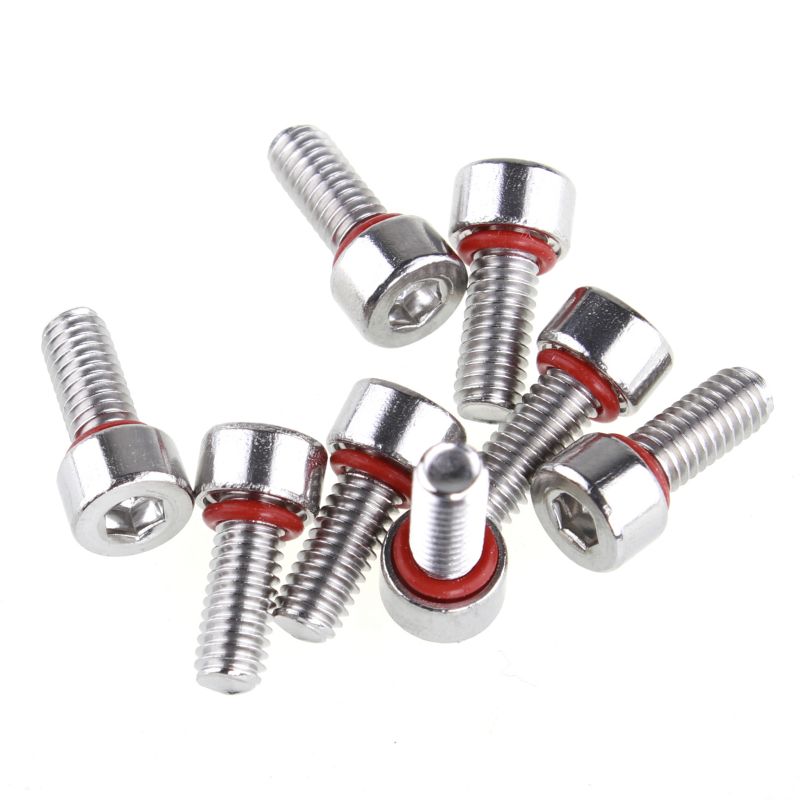
From my warehouse to your workshop, I offer sealing screws built for corrosion resistance, precise tolerances, and easy installation. As a trusted supplier, I understand what B2B buyers need: reliable material, consistent quality, timely delivery. Our sealing screws deliver tight seals for enclosures, electrical housings, automotive assemblies. I source High-Quality stainless steel, brass, or coated variants; I can provide custom counts and packaging. They resist vibration, temperature changes. Our QA process includes dimensional checks, hardness tests, and lot traceability. I offer flexible MOQs, competitive pricing, and fast lead times. If you specify your application, I can propose the best thread type, head style, and sealing compound. Partner with me as your supplier to simplify procurement, reduce downtime, and ensure seal integrity in critical joints. Let's talk about your requirements, and I will tailor the sealing screws solution.

Hot Selling Product

sealing screws Now Trending Guarantees Peak Performance

Sealing screws are at the forefront of enclosure reliability, now trending as a simple, robust way to stop ingress and guarantee peak performance in electronics, automotive, outdoor, and industrial equipment. The trend is driven by stricter IP ratings, higher operating temperatures, and tighter tolerances. The right mix of material, sealed interface (gasket or O-ring), and thread engagement determines whether a joint stays watertight under vibration and heat. Global buyers should evaluate options by environment, corrosion resistance, and compatibility with coatings. Choose grades such as stainless steel or high-performance polymers, and demand sealed interfaces, reliable gaskets, and verified testing. Look for certifications (IP, UL, RoHS, REACH) and full traceability, consistent supply, and scalable packaging. Embracing this trend helps ensure durable assemblies, reduced maintenance, and longer service life across markets.

{ sealing screws Now Trending Guarantees Peak Performance}
Dimension / Parameter Description Typical Value Unit
Material Screw material and grade Stainless steel 304/316 -
Finish / Coating Protective finish for corrosion resistance Passivation; Electropolish -
Head Style Socket Head Cap - -
Nominal Diameter x Pitch Thread size and pitch M6 x 1.0 mm
Length Overall length 32 mm
Seal Type Integrated washer EPDM washer integrated -
Operating Temperature Range for long-term use -60 to 260 °C
Pull-out Strength Max pull-out load in sheet metal 3500 N
Shear Strength Max shear load 9000 N
Corrosion Resistance Salt spray endurance 1000 hours
Standards / Compliance Applied standards ISO 4762; DIN 912 -
Variant Compatibility Thread variation range M3–M12 variants -

Related Products

banner (2)

sealing screws Manufacturer Your End-to-End Solution

数据维度:随时间的产能与缺陷率变化

Time-Series Insights: Production Output and Defect Rate for Sealing Screws Manufacturing

Explanation: This time-series chart presents monthly production output (units) and defect rate (%) on a sealing screws manufacturing line. The dual-axis design allows simultaneous interpretation of throughput and quality. The production line shows continued growth across the year, with a few brief interruptions in mid-year that align with scheduled maintenance and tooling changes. The overall trend indicates that higher output correlates with improved process capability, which can reflect automation upgrades, better process control, and standardization of work procedures. The defect rate decreases from around 2.8% at the start of the year to about 1.6% toward year-end, suggesting increasing process stability, operator proficiency, and more effective root-cause analysis. However, there are occasional spikes in defects during ramp-up periods when line speed is increased to meet rising demand, underscoring the need for synchronized quality checks, sampling plans, and preventive maintenance. The analysis demonstrates that end-to-end manufacturing improvements require balancing speed with error reduction, not simply pushing output higher. The data emphasize the value of correlating production metrics with quality signals to inform decisions about resource allocation, training, and maintenance scheduling. For example, planned downtime can be scheduled during periods with the least impact on customer delivery while quality checks are intensified during ramp-ups. The visualization provides a baseline for evaluating the impact of process changes, such as adjusting screw dimensions, tightening tolerances, or upgrading inspection equipment. In a broader context, integrating this time-series with material lot traceability, machine identifiers, and operator-level data would enable deeper diagnostic capabilities, support continuous improvement programs, and accelerate root-cause investigations. Ultimately, this chart demonstrates how a data-driven, end-to-end approach can sustain higher throughput while driving defect rates downward, leading to more reliable supply and greater customer satisfaction.

Top Selling Products