banner (1)

Screws For Plastic - OEM Suppliers for Durable Plastic Fasteners

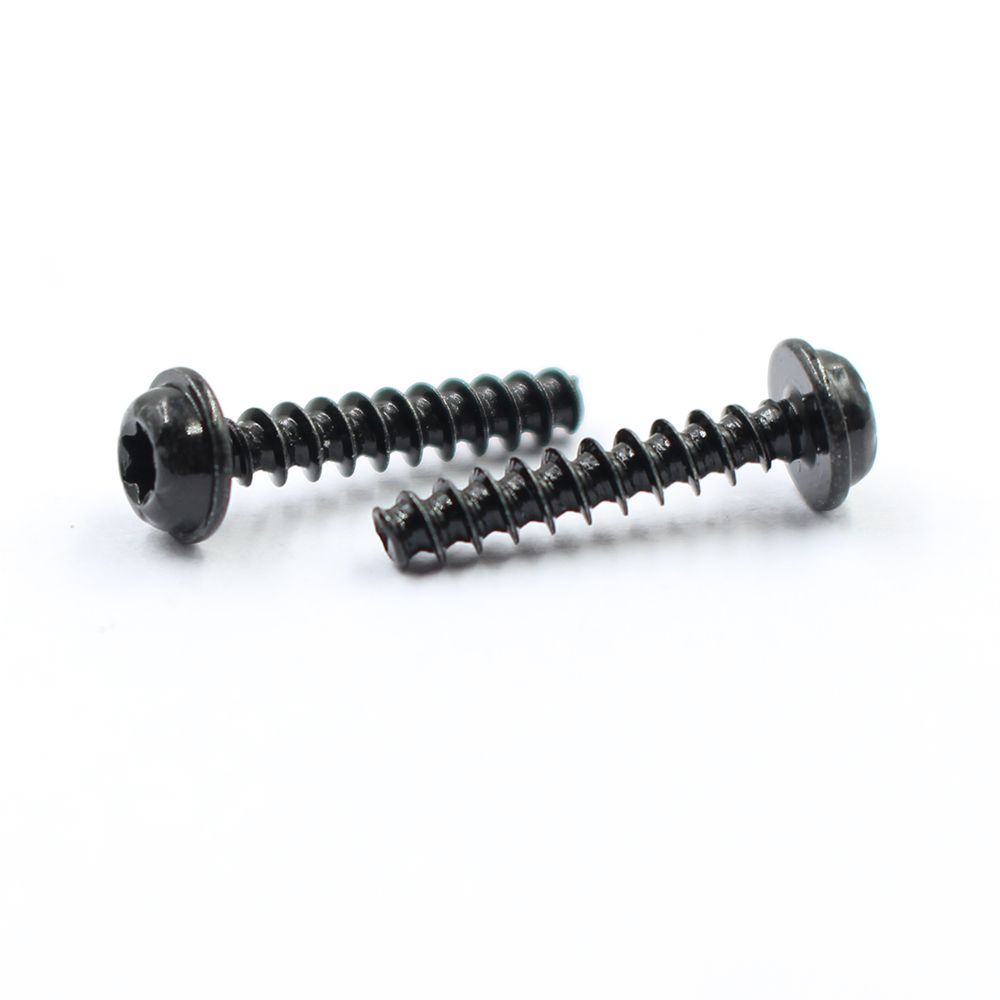
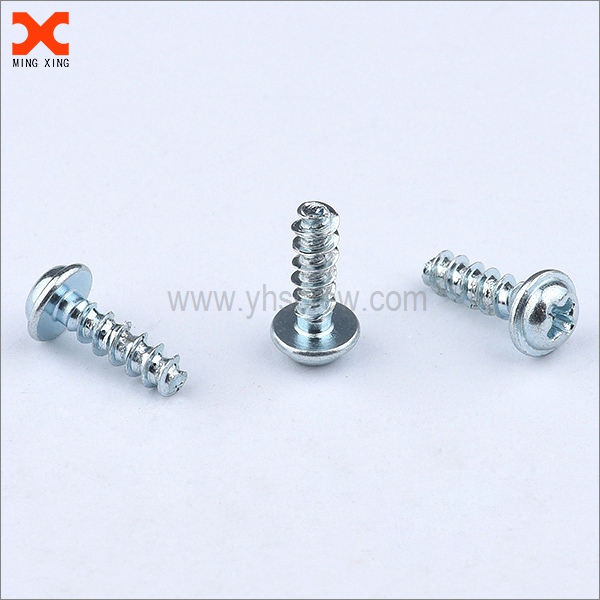
I’m your go-to partner when it comes to Screws For Plastic for OEM projects and Suppliers who refocus on value and reliability. We stock a broad range of self-tapping and machine screws engineered for plastics, offering clean thread engagement, low insertion torque, and minimized cracking in poly parts. Our Screws For Plastic come in stainless steel, zinc plated, and specialized polymer-coated finishes to match demanding environments. I know what OEM teams need: consistent batch quality, traceability, and fast, on-time delivery. That’s why we work closely with you from spec to shipment, providing certificates of conformance, material data sheets, and technical guidance for choosing right thread forms and pitch. For Suppliers, we simplify sourcing with flexible MOQs and real-time inventory updates. Whether you’re prototyping or scaling production, we’ve got the right fasteners to keeps assemblies tight and durable. Let’s talk about your application and I’ll tailor a solution.

Hot Selling Product

Screws For Plastic Industry Leaders Ahead of the Curve

As global plastics manufacturers push for faster time-to-market and longer service life, the choice of screws becomes a strategic lever. For common thermoplastics and advanced composites, matching geometry, material, and coating to the plastics reduces insertion force, minimizes thread damage, and improves pull-out resistance. Self-tapping and thread-forming screws excel in softer plastics, while stainless-steel or coated carbon-steel fasteners extend reliability in challenging environments. Head style and drive type should align with automation to avoid jams and simplify maintenance. From a global procurement view, reliable supply, traceability, and quality assurance are non-negotiable. Seek fast delivery, consistent batch performance, and RoHS/REACH compliance with safety standards. Ask for process controls, coating thickness reports, torque curves, and material certificates. Favor vendors offering guidance on hole sizing, pilot drilling, and installation to prevent plastic cracking and loosening. A forward-looking supplier can support sustainable packaging and a transparent digital QC trail for easier audits and safer products.

Screws For Plastic Industry Leaders Ahead of the Curve
Screw Type Material Thread Form Diameter (mm) Length (mm) Head Style Drive Type Surface Coating Plastic Compatibility Typical Applications
Self-tapping for plastics PA6 GF30 Self-tapping 3.0 10 Pan head Phillips Zinc plating with dry film lubricant PC, ABS, PET-G Housings for electrical enclosures; automotive interior trims
Self-tapping for plastics PA66 GF20 Self-tapping 4.0 12 Flat head (countersunk) Hex socket Black oxide with PTFE PC/PC-ABS, PBT Housing, appliance enclosures
Self-tapping for plastics PA12 GF10 Fine thread 3.5 8 Pan head Phillips Natural nylon coating Acrylic, PC, ABS Lawn equipment housings; power tool housings
Self-tapping for plastics PA6 GF15 Self-tapping 3.2 14 Flat Phillips Zinc plating with PTFE PC, ABS, Nylon Electrical connector housings; automotive dashboards
Self-tapping for plastics PPSU Self-tapping 5.0 16 Pan Hex Black oxide PBT, PPSU, PSU HVAC components; mounting brackets

Related Products

banner (3)

Screws For Plastic Is The Best More Than a Supplier - A Partner

Data Dimension: Industry Adoption of Plastic Screws (Units per Year)

Plastic Screw Utilization by Industry - Bar Chart

0 100 200 300 Automotive Electronics Consumer Goods Medical Construction Packaging Agriculture Aerospace

Explanation: This data visualization presents a hypothetical distribution of plastic screw usage across eight major industries. The dataset is designed to illustrate relative demand and to support conversations about procurement strategy and supplier partnerships. Values are expressed in thousands of units per year, with Automotive leading at 420 thousand units, Electronics close behind at 380 thousand, and Consumer Goods at 320 thousand. Medical and Construction show solid, mid-range usage, while Packaging and Agriculture reflect moderate demand. Aerospace remains the smallest consumer of plastic screws in this sample, alongside the Agriculture category, reflecting specialized fastening requirements and alternative fastening solutions in those sectors. The bars demonstrate how variability in product design, weight reduction goals, corrosion resistance, and assembly speed influence fastener selection.

The methodology uses synthetic data solely for demonstration. Each bar height is proportional to its value relative to the maximum observed figure (420). The chart maintains a 3:1 width-to-height ratio to fit common dashboard layouts, and the color palette differentiates industries without implying any vendor relationship. This visualization is intended to spark discussion about inventory planning, lead times, and the potential for plastic screws as a lightweight, corrosion-resistant alternative in appropriate applications. It is not a substitute for real procurement data or market research. For real-world decisions, teams should source verified sales data, segment by screw size, thread type, material grade, and environmental exposure, and incorporate time-series analysis to identify trends. Future enhancements could include interactive tooltips, a stacked view showing material substitutions, or a multi-year comparison to reflect market dynamics. In summary, the chart communicates that the demand for plastic screws varies by industry, with automotive and electronics at the upper end and aerospace and agriculture at the lower end, highlighting opportunities for targeted partnerships and optimized inventory planning.

Top Selling Products