banner (1)

Press Rivet Nut for OEM & Suppliers | High-Quality Fastening

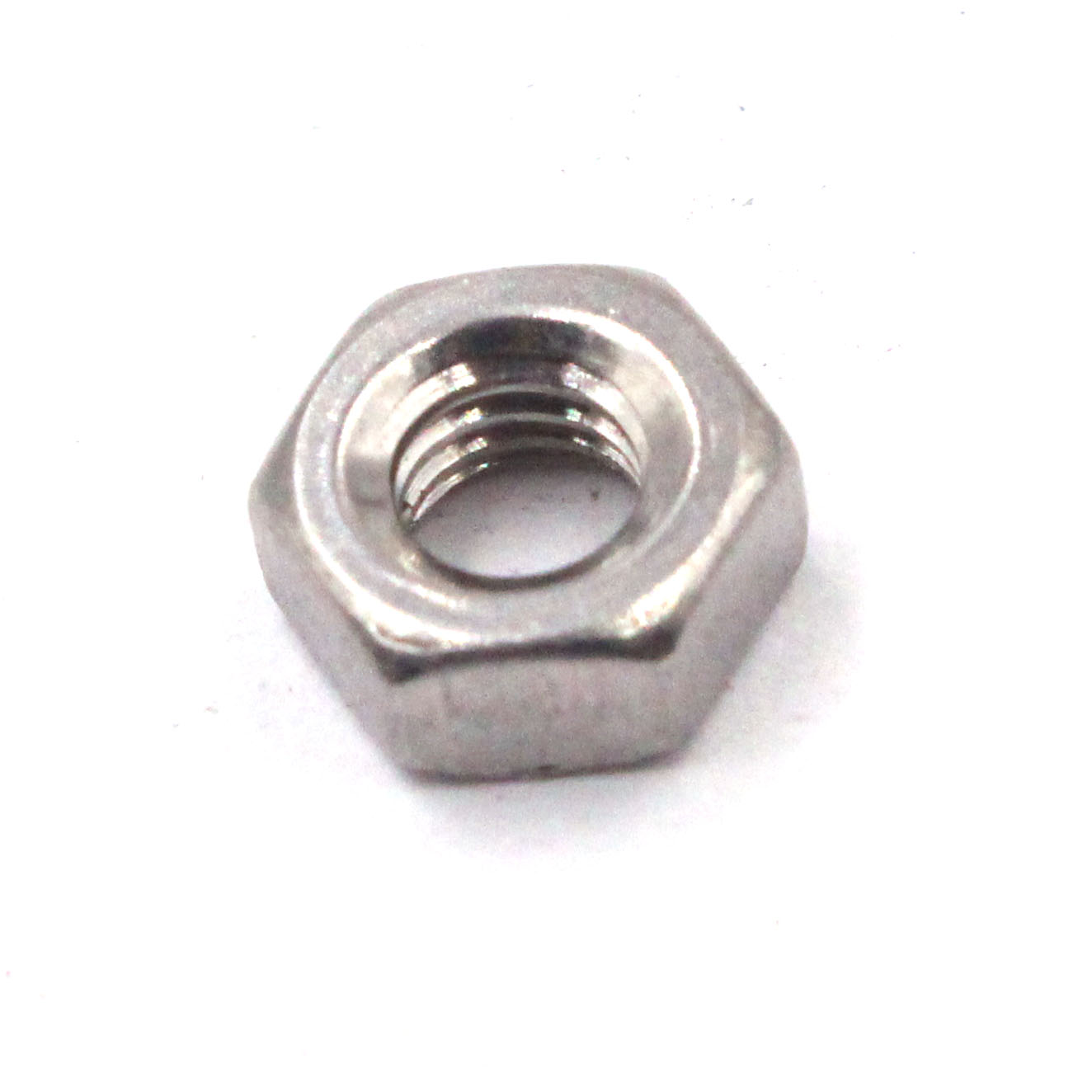
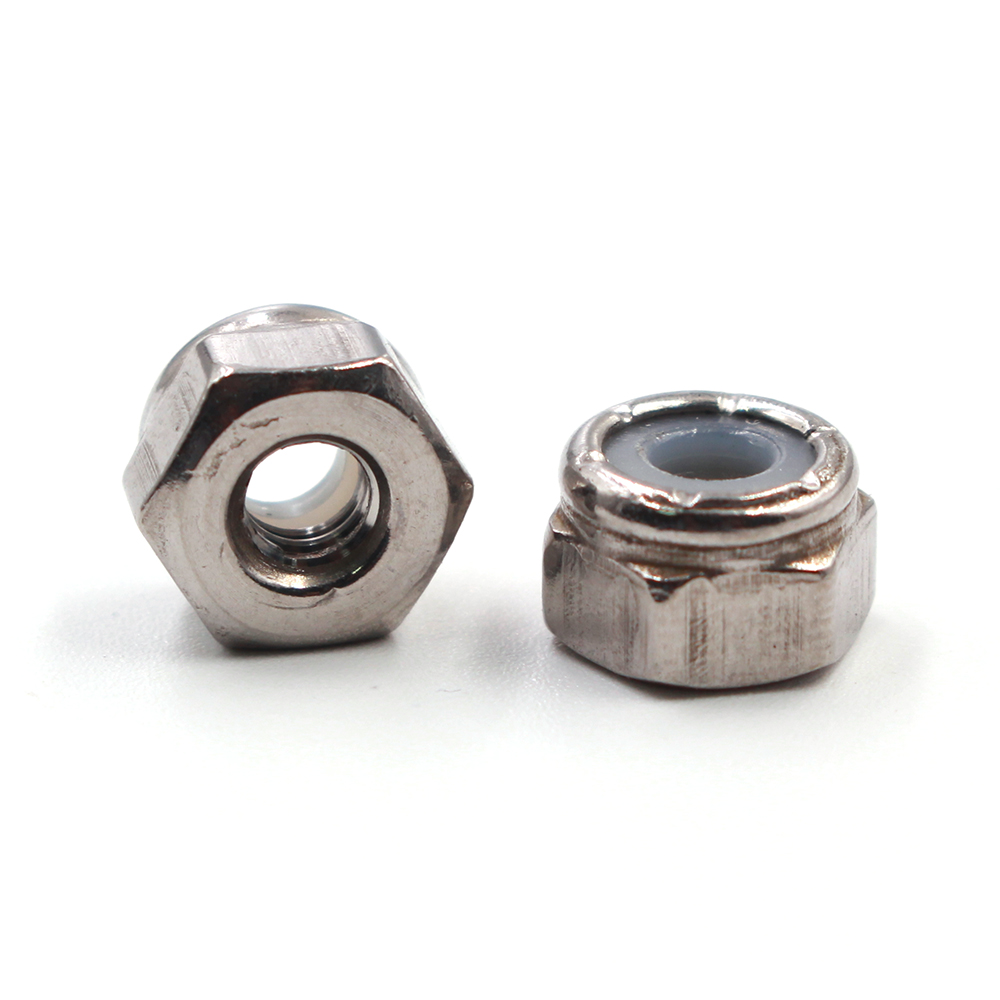
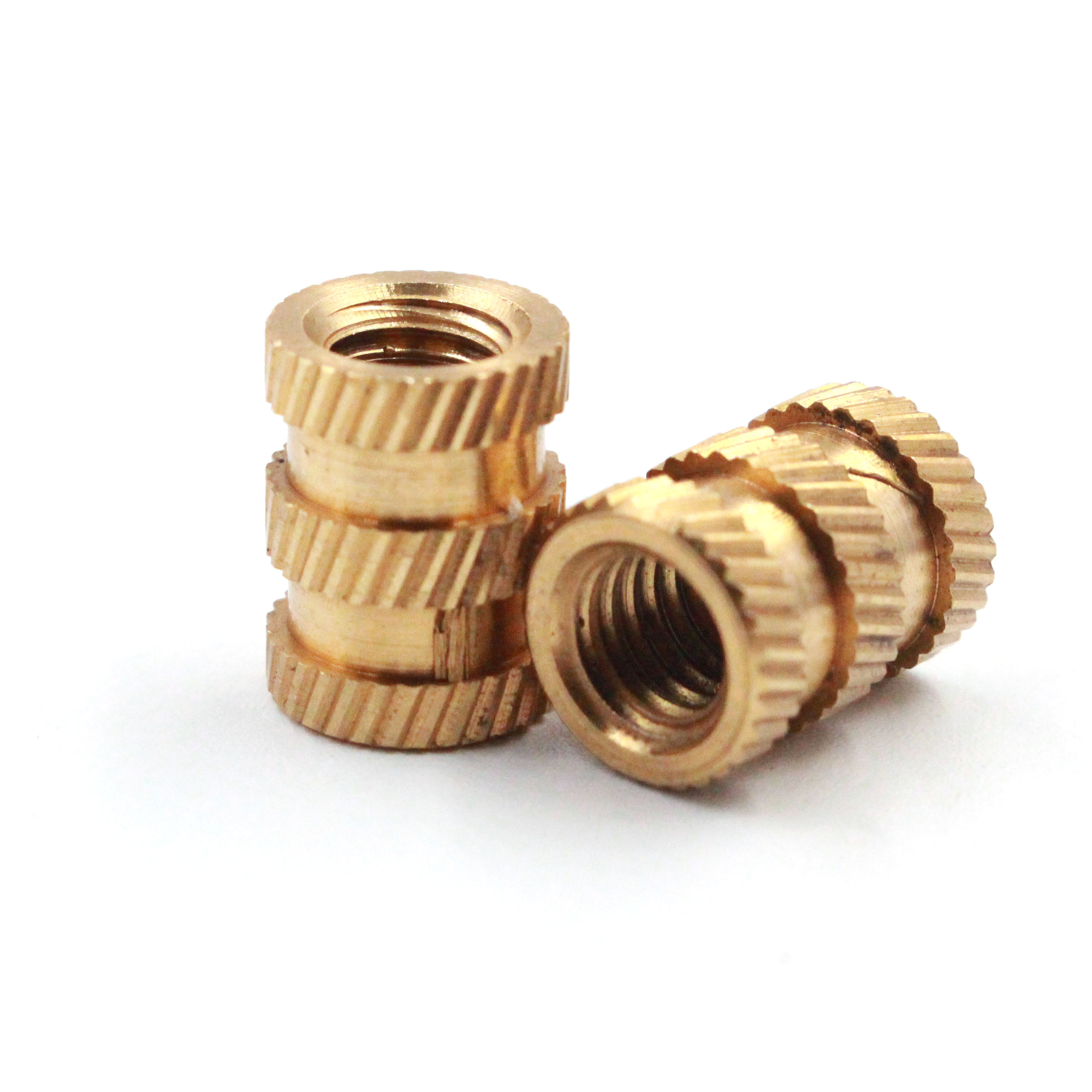
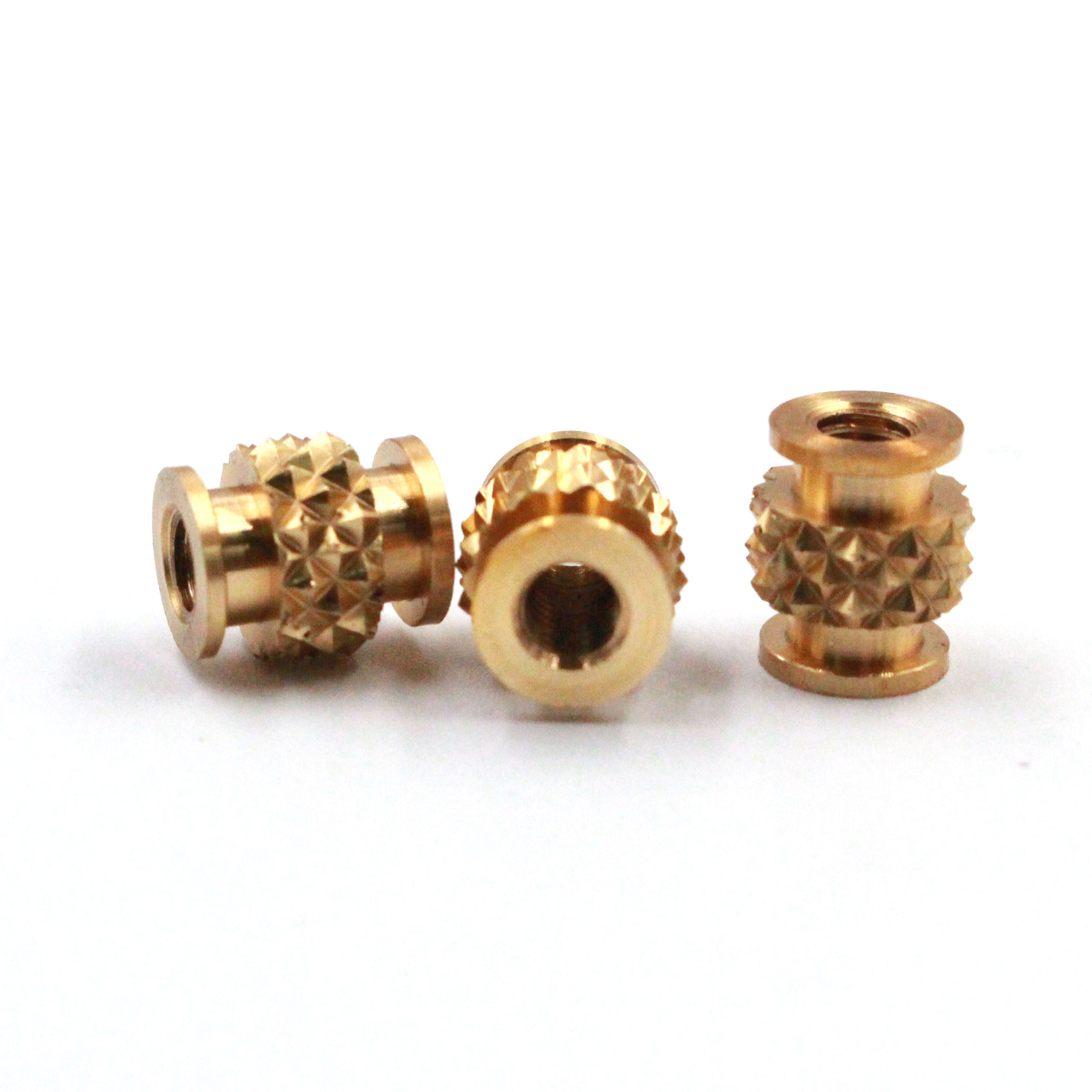
I’m your partner for high-performance press rivet nut solutions that keep assemblies secure and production lines moving. For OEM projects and Suppliers alike, I offer a broad range of materials, finishes, and thread sizes to match your exact needs. Our press rivet nut performs with high torque, strong pullout resistance, and reliable vibration damping in automotive, electronics, machinery, and furniture applications. I stock stainless steel, aluminum, and zinc-coated steel variants, with knurled or self-locking options, flat or countersunk head profiles, and pre-assembled options for fast installation. My team can customize grip range, thread pitch, and coating for corrosive environments, plus packaging that suits automatic feeding and high-volume lines. I understand time-to-market matters, so quick lead times and consistent quality are guaranteed. If you're an OEM or a Supplier looking for dependable, cost-effective press rivet nut solutions, let's discuss your specs and I’ll tailor a quote today.

Hot Selling Product

press rivet nut Factory Industry Giant

Global buyers seeking reliable fasteners know that a large-scale press rivet nut factory can turn demand into steady supply. Through automated lines, high-speed punching and riveting, and integrated finishing, such a producer handles diverse sizes and materials—from aluminum to stainless steel—while delivering tight tolerances and consistent finishes. Rigorous testing, traceability, and robust logistics ensure performance across electronics, automotive, and construction projects with dependable worldwide delivery. Working with a global-scale manufacturer also offers design support, prototyping, and scalable tooling to minimize changeovers. Buyers can choose from different nuts (closed or open, anchor styles), material grades, and finishes (zinc, nickel, black oxide) with corrosion resistance. Comprehensive quality documentation, batch traceability, and responsive after-sales service help reduce risk, shorten lead times, and simplify sourcing across regions.

{ press rivet nut Factory Industry Giant}

Size (Thread) OD (mm) Grip Range (mm) Length (mm) Material Finish Head Type Tensile Strength (MPa) Typical Applications
M3x0.5 5.0 0.8 - 2.0 8 Steel Zinc-Plated Open-End 320 Electronics enclosures, light-duty assemblies
M4x0.7 6.0 1.2 - 2.6 9 Stainless Steel (A2-70) Satin Open-End 520 General purpose automotive and electrical assemblies
M5x0.8 7.3 1.6 - 3.0 12 Aluminum Alloy (6061) Anodized Closed-End 260 Interior automotive panels, lightweight electronics
M6x1.0 9.0 2.0 - 3.8 15 Steel Zinc-Plated Open-End 320 Machinery housings, metal enclosures
M8x1.25 11.6 3.0 - 5.0 18 Stainless Steel (304) Electropolished Open-End 520 Marine-grade panels, rugged automotive frames

Related Products

banner (4)

press rivet nut Factory Now Trending

Trend Analysis: Production vs. Market Demand for Press Rivet Nuts (Last 12 Months)

Over the last twelve months, this chart tracks two related metrics for press rivet nuts: production volume and market demand. The data show a generally positive alignment, with production following demand closely most of the year, and occasional brief divergences reflecting capacity and supply-chain dynamics. In the early months, both curves rise as capacity expands and orders begin to grow. The middle of the year exhibits the strongest activity, with production and demand peaking around July to September, suggesting robust market activity across manufacturing, automotive, and accessories sectors relying on fastener assemblies. In the final quarter, demand softens while production remains near peak levels, indicating finished goods or smoothing to prevent shortages in the next cycle. The gap between the lines is a useful proxy for supply responsiveness: when production lags demand, backlogs and expedited sourcing may occur; when production leads, inventory can accumulate, potentially prompting adjustments to shift schedules or line rates.

This visualization supports data-driven decision making by providing a simple, time-anchored view of capacity utilization versus market demand. It helps identify seasonal patterns, assess whether current capacity matches forecasted orders, and test how changes in throughput or supplier lead times could affect future outcomes. For example, if an expected late-summer order surge occurs, managers might consider increasing overtime or temporary subcontract support to reduce the risk of late deliveries. Conversely, sustained demand growth beyond current capacity would signal a need to invest in automation, tooling, or additional shifts. The two-series format also clarifies whether pricing, procurement, and production planning align with market signals. In short, the chart communicates a clear narrative: production generally tracks demand with periodic lag or lead due to operational constraints, seasonal cycles, and planning decisions. By monitoring these dynamics, teams can optimize inventory, balance workloads, and better synchronize manufacturing with evolving customer needs. This ongoing monitoring supports proactive risk management and measurable efficiency gains over time.

Top Selling Products