banner (1)

Plastic Self Tapping Screw - Wholesale & Manufacturers Directory

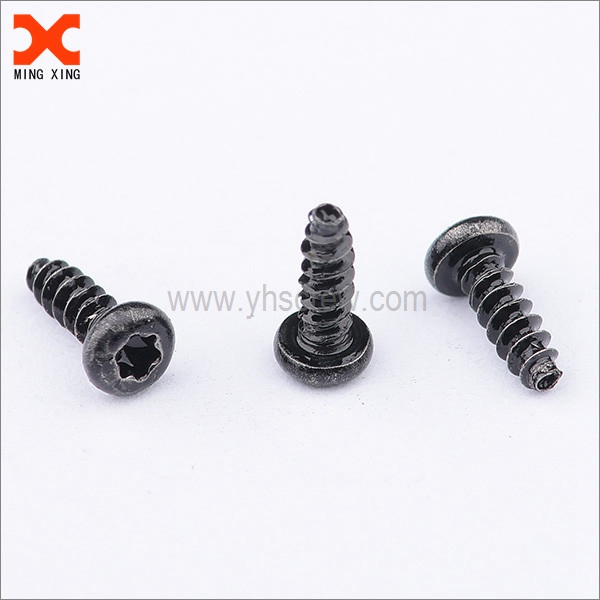
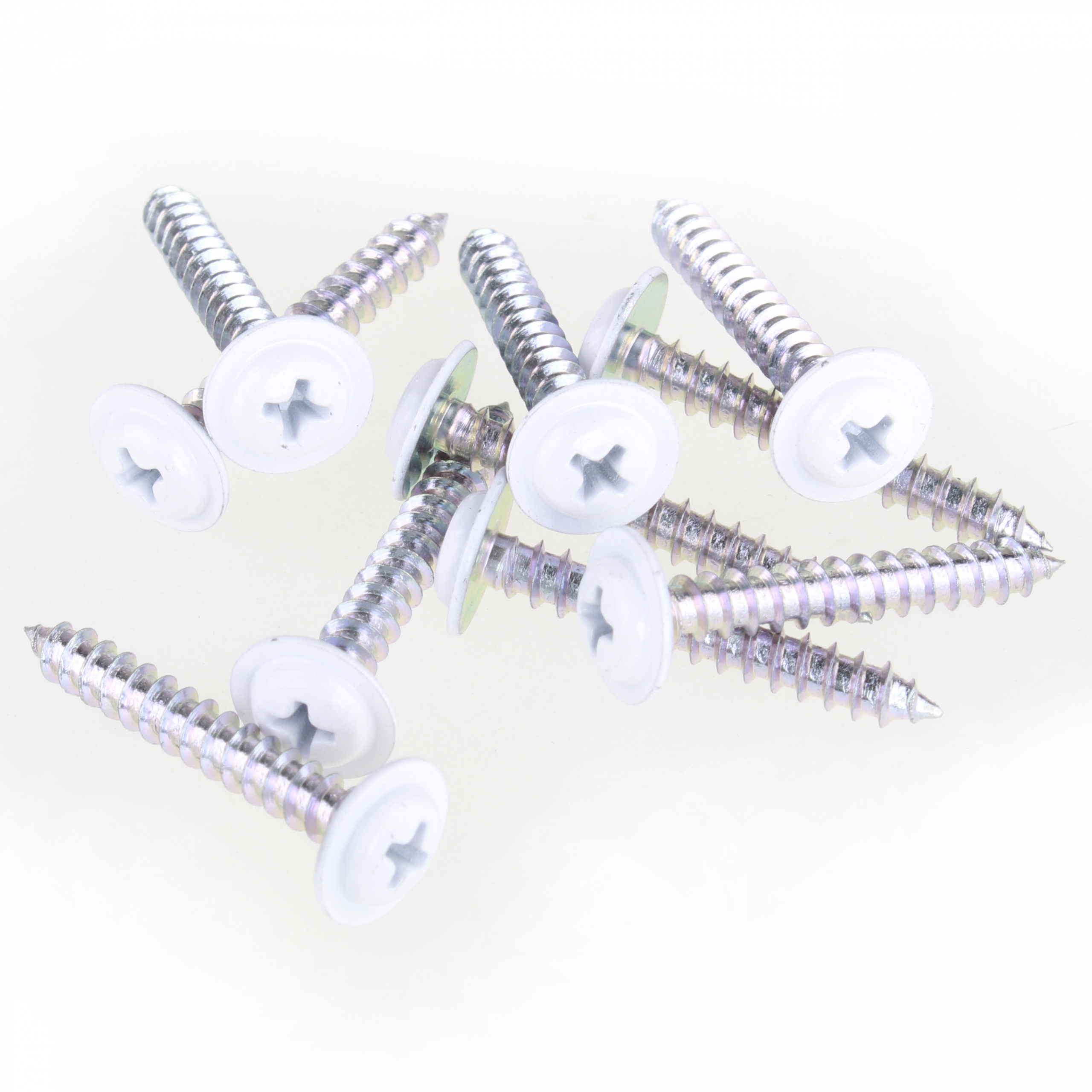
From day one, I focus on making the right fasteners for plastic assemblies. I supply a dependable plastic self tapping screw designed for quick seating without pre-drilling, featuring sharp tapered threads, corrosion-resistant coatings, and heads that fit flush drives. For Wholesale and Manufacturers, I offer consistent batch-to-batch quality, tight tolerances, and customizable options: length, diameter, drive type, and coating. My inventory covers common sizes and special orders with fast lead times, competitive pricing, and scalable MOQs. I provide packaging solutions that reduce assembly time and waste. I warranty performance under high torque and vibration, and I support on-time shipments to keep your production lines running smoothly. If you’re sourcing for bulk needs, I’m here to tailor the solution, from sampling to full-scale production. Let me help you cut costs, speed up assembly, and keep quality steady in every project.

Hot Selling Product

plastic self tapping screw Where Service Meets Innovation Service Backed by Expertise

Plastic self-tapping screws are designed to form secure threads in thermoplastics, enabling fast, reliable assemblies without pre-tapped holes. Offered in multiple head styles, drive types, and thread forms, they suit electronics housings, automotive trims, and consumer devices. For global procurement, key benefits include consistent material compatibility, tight tolerances, and predictable performance across temperatures and humidity. With engineering polymers—often reinforced for stiffness—these fasteners deliver durable joints while maintaining lightweight design. Where Service Meets Innovation, expect design-for-manufacture support, rapid prototyping, and customized solutions that cut time to market. Expert engineering analysis helps select the right material, surface finish, and geometry to resist creep, pull-out, and vibration, while ensuring compatibility with coatings and secondary processes. Service backed by expertise means robust testing, clear documentation, and reliable supply chains with on-time delivery, quality control, and traceability for global customers.

{ plastic self tapping screw Where Service Meets Innovation Service Backed by Expertise}
SKU Material Head Type Thread Type Diameter (mm) Length (mm) Color/Finish Glass Fiber Content (%) Tensile Strength (MPa) Temperature Range (°C) Certifications Lead Time (days) Customization
PSS-01-NYL Nylon 6/6 GF30 Flat Head Self-tapping 3.5 12 Natural 30 105 -40 to 120 RoHS, REACH 7 Yes
PSS-02-NYL-GF25 Nylon 6/6 GF25 Pan Head Self-tapping 4.0 16 Black 25 95 -40 to 110 RoHS 10 Yes
PSS-03-PA12 PA12 Truss Head Self-tapping 4.5 20 Natural 0 70 -40 to 100 RoHS 14 No
PSS-04-GF40 Nylon 6/6 GF40 Flat Head Self-tapping 3.0 10 Gray 40 120 -40 to 125 RoHS, REACH 14 Yes
PSS-05-POM15 POM GF15 Pan Head Self-tapping 3.2 14 Natural 15 80 -40 to 110 RoHS 9 No
PSS-06-PA12 PA12 Button Head Self-tapping 2.8 8 Black 0 60 -40 to 100 RoHS, REACH 5 Yes
PSS-07-NYL-FR Nylon 6/6 GF30 Countersunk Self-tapping 5.0 18 Natural 30 110 -40 to 125 RoHS 12 Yes
PSS-08-GF50 Nylon 6/6 GF50 Flange Head Self-tapping 6.0 25 Gray 50 140 -40 to 130 RoHS, REACH 21 Yes
PSS-09-PC Polycarbonate (PC) Countersunk Self-tapping 3.8 12 Clear 0 50 -40 to 110 RoHS 7 No
PSS-10-NYL-GF35 Nylon 6/6 GF35 Pan Head Self-tapping 4.2 22 Natural 35 100 -40 to 125 RoHS, REACH 11 Yes
PSS-11-NYL-TR Nylon 6/6 GF30 Truss Head Self-tapping 3.9 9 Gray 30 85 -40 to 105 RoHS 8 No
PSS-12-PA66 PA66 Button Head Self-tapping 2.6 6 Natural 0 65 -40 to 110 RoHS 6 Yes

Related Products

banner (3)

plastic self tapping screw Stands Out Delivers Unmatched Quality

Data Dimension: Product Quality Index Over Time

The chart presents a longitudinal view of the Product Quality Index (PQI) for a batch of plastic self tapping screws, spanning twelve consecutive months. PQI is a composite score that reflects multiple aspects of manufacturing quality, including dimensional accuracy, thread integrity, material consistency, surface finish, and functional reliability, standardized on a 0–100 scale. By plotting PQI month-by-month, the visualization communicates both baseline quality and the trajectory of improvement over time, enabling quick assessment of process maturation and the effectiveness of quality initiatives. In this dataset, the PQI starts in the mid-60s in January and shows a steady ascent through the year, reaching the low 90s by December. This pattern suggests progressive gains driven by systematic quality improvements such as enhanced process controls, better supplier alignment, refined tooling, and targeted operator training. Notably, the rate of improvement accelerates in the latter part of the year, which may correlate with the implementation of corrective actions identified through root-cause analysis and the deployment of preventive maintenance schedules. While the line generally trends upward, any subtle dips or plateaus can signal moments where schedule pressures, equipment wear, or batch-to-batch variability require deeper investigation. The purpose of presenting PQI in this format is to provide a single, intuitive metric that captures the health of the production process across time. For stakeholders, PQI offers a common language to compare production lines, shifts, or equipment families, and to quantify the impact of quality initiatives. When integrated with complementary metrics such as defect rate, cycle time, and throughput, PQI supports more precise decision-making and resource allocation. This visualization thus serves both operational management and strategic planning by highlighting where quality improvements are succeeding and where additional attention is warranted to ensure consistent, reliable product performance.

Top Selling Products