banner (1)

Pan Head Torx Screw - ODM Solutions from Factory Direct

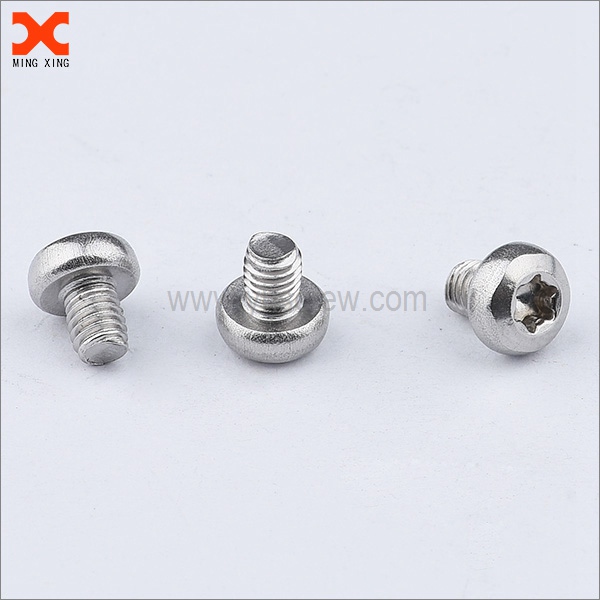
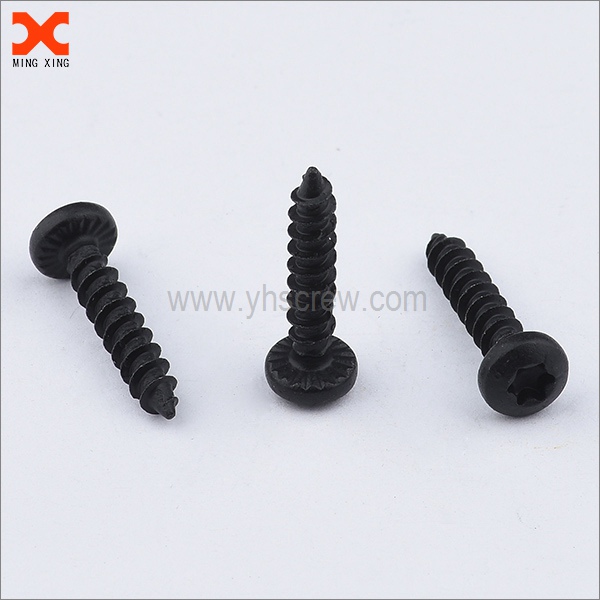
From our factory to your production line, I offer reliable {pan head torx screw} solutions that meet tight tolerances and demanding environments. I specialize in ODM capabilities, so we can tailor thread length, material (stainless steel, alloy steel), finish (zinc, black oxide), and drive size to your design. Our {pan head torx screw} features a low-profile head, smooth driving, and excellent torque transfer, ideal for electronics, automotive, and consumer devices. I ensure strict QA with MIL-STD-like checks, lot traceability, and packaging options suitable for automated assembly. You can count on us for quick quotes, sample approvals, and scalable manufacturing from prototype to high-volume runs. As a dedicated Factory, we understand supply chain challenges and deliver on-time with consistent quality. If you need a dependable ODM partner for custom fasteners, I’m here to tailor the {pan head torx screw} to your exact specs and volume requirements.

Hot Selling Product

pan head torx screw Industry Leaders Supplies the World\u2019s Top Brands

Global manufacturers rely on pan head Torx screws for high-torque assemblies in electronics, automotive, and appliances. The Torx drive reduces cam-out and enables faster, more consistent installation on high-speed lines. Buyers should seek uniform head size, precise thread pitch, and material options from carbon steel to stainless steel, plus reliable finishes such as zinc, black oxide, or passivation. Compliance with ISO/DIN/ANSI standards and full traceability from raw material to finished part are essential for cross-border procurement. To win in global sourcing, partner with suppliers who offer stable stock, clear lead times, and strict QA. Request material certificates, process controls, and sample lots to verify hardness and thread form. Choose vendors with careful packaging for international shipping, clear batch labeling, and robust after-sales support. A dependable supplier aligns with your production schedule, offers scalable terms, and commits to continuous improvement, delivering consistent quality as global brands grow.

{ pan head torx screw Industry Leaders Supplies the World's Top Brands }

Dimension (Ø x H, mm) Torx Size Thread (Metric) Material Finish Tensile Strength (MPa) Max Torque (N·m) Certifications
Ø6.0 x 1.8 T6 M3 x 0.5 Stainless Steel 304 Bright Zinc Plated 520 0.25 RoHS, REACH
Ø6.5 x 2.0 T8 M3 x 0.5 Stainless Steel 304 Nickel 520 0.30 RoHS
Ø7.0 x 2.1 T6 M4 x 0.7 Stainless Steel 316 Black Oxide 600 0.42 RoHS, ISO 9001
Ø7.5 x 2.0 T8 M4 x 0.7 Carbon Steel Bright Zinc 650 0.50 ISO 9001
Ø8.0 x 2.2 T10 M5 x 0.8 Stainless Steel 304 Bright Zinc 520 0.60 RoHS
Ø8.0 x 2.2 T15 M5 x 0.8 Stainless Steel 316 Nickel 700 0.75 RoHS, REACH
Ø9.0 x 2.5 T12 M6 x 1.0 Carbon Steel Black Oxide 750 1.00 ISO 9001
Ø9.0 x 2.5 T20 M6 x 1.0 Stainless Steel 316 Nickel 700 1.20 RoHS, REACH

Related Products

banner (4)

pan head torx screw Service Factory

数据维度:产线运营关键指标

Data Dimension: Production Efficiency Trends

Explanation: This dataset represents a simplified view of a screw assembly line over a year. The two metrics shown in the line chart are Production Output (units) and First-pass Yield (%) by month. Production Output reflects the total number of finished parts produced, while First-pass Yield indicates the share of parts that pass quality inspection on the first try. The chart uses two axes to accommodate the different scales: Output on the left axis (units) and Yield on the right axis (percent). The data is synthetic and intended to illustrate typical trends you might observe in a manufacturing environment when capacity expands while process controls improve. From January to December, the line for Output generally trends upward, suggesting an expansion of capacity, tooling improvements, or higher demand. The yield line remains high with a small dip around March when output levels first cross the previous peak, indicating a temporary strain on the production process or a learning curve during ramp-up. By mid-year, yield stabilizes around the mid-90s, while output continues to rise, hinting at effective process improvements such as better machine tooling, operator training, or shift optimization. In December, Output reaches a new high while Yield stays near 99%, implying a mature, stable process with low defect rates at high production volumes. This juxtaposition helps illustrate a key insight: increasing production capacity does not inherently reduce quality if proper quality management is in place. Conversely, quality enhancements can enable higher throughput by reducing rework. For decision-makers, the chart supports questions about where to invest: more automation, preventive maintenance, or skills training to sustain growth without sacrificing quality. Note that the data are synthetic and aggregated monthly, not capturing downtime, scrap, or batch-level variation. To apply this analysis to real data, align definitions, measurement intervals, and context around process changes. Overall, the pattern demonstrates how tracing both throughput and quality over time can reveal the efficiency of the production system and guide continuous improvement initiatives.

Top Selling Products