banner (1)

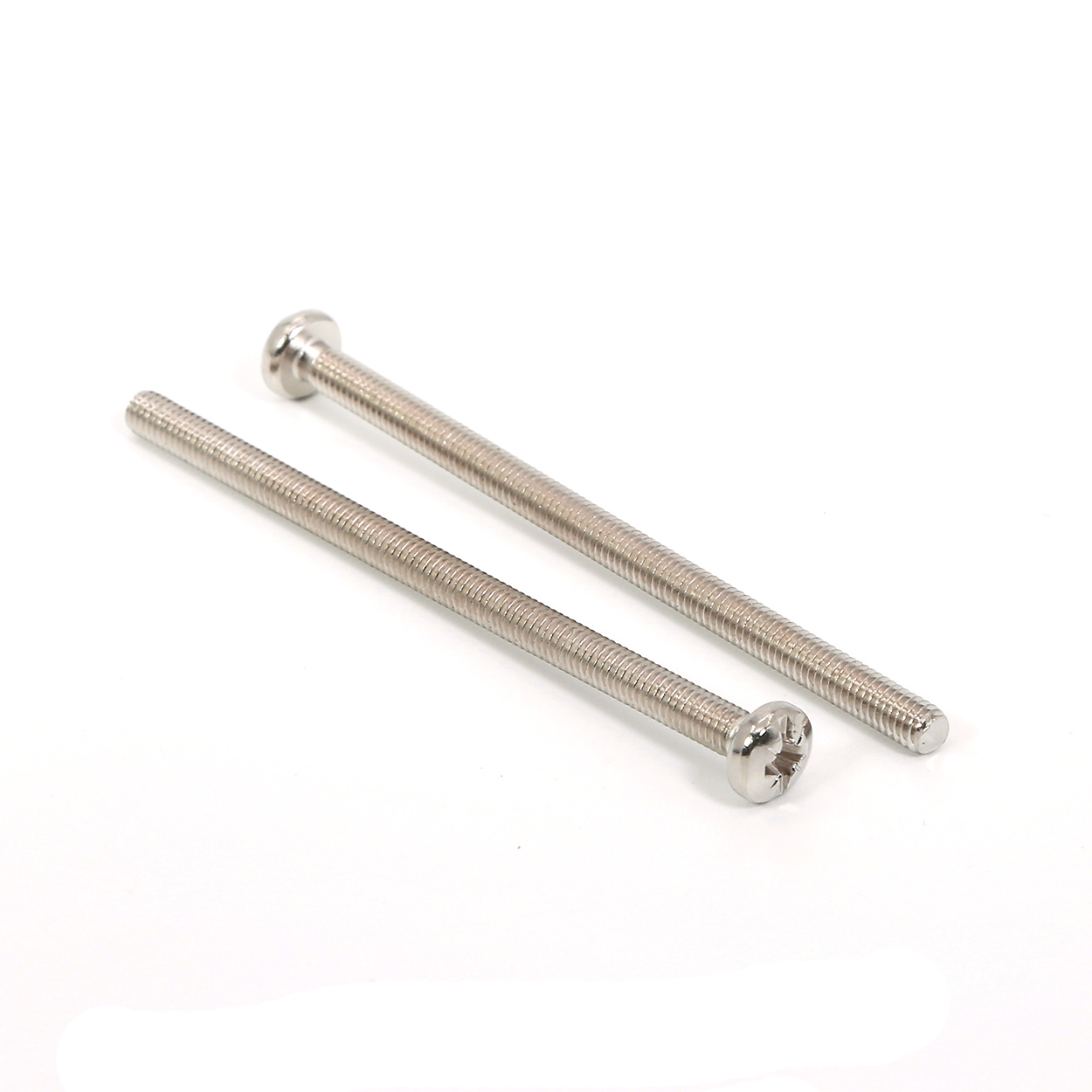
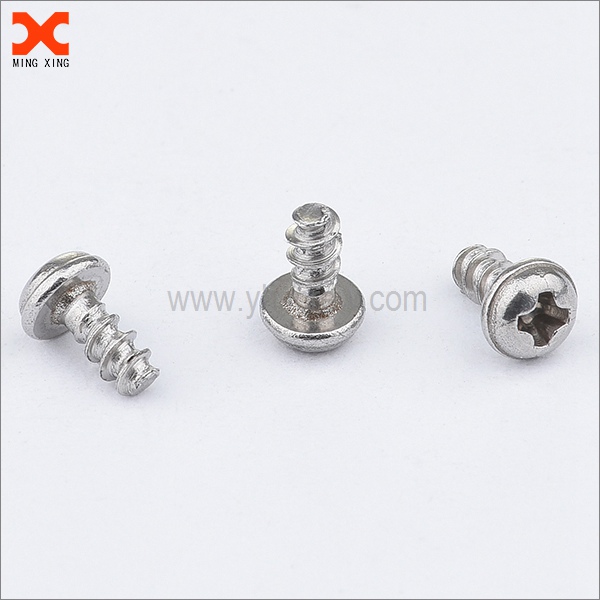
Pan Head Philips Machine Screws for OEM, Suppliers

I’m the kind of supplier who understands what OEM buyers look for in fasteners: consistent quality, tight tolerances, and on-time delivery. When you search for pan head philips machine screws, you’ll find a range built for heavy machinery and sleek enclosures alike. I offer corrosion-resistant finishes—from zinc plated to stainless steel—and sizes from small M3 to larger M6, with options for custom lengths and thread pitches. Every batch ships with full traceability and certificates, so you can keep your QA paperwork intact. I work directly with OEMs and other Suppliers to tailor head styles, drive types, and lengths to your exact specs, ensuring a perfect fit in your production line. For mass production or prototype runs, I provide competitive pricing, flexible MOQs, and fast lead times, plus responsive service you can count on.

Hot Selling Product

pan head philips machine screws Products Service Backed by Expertise

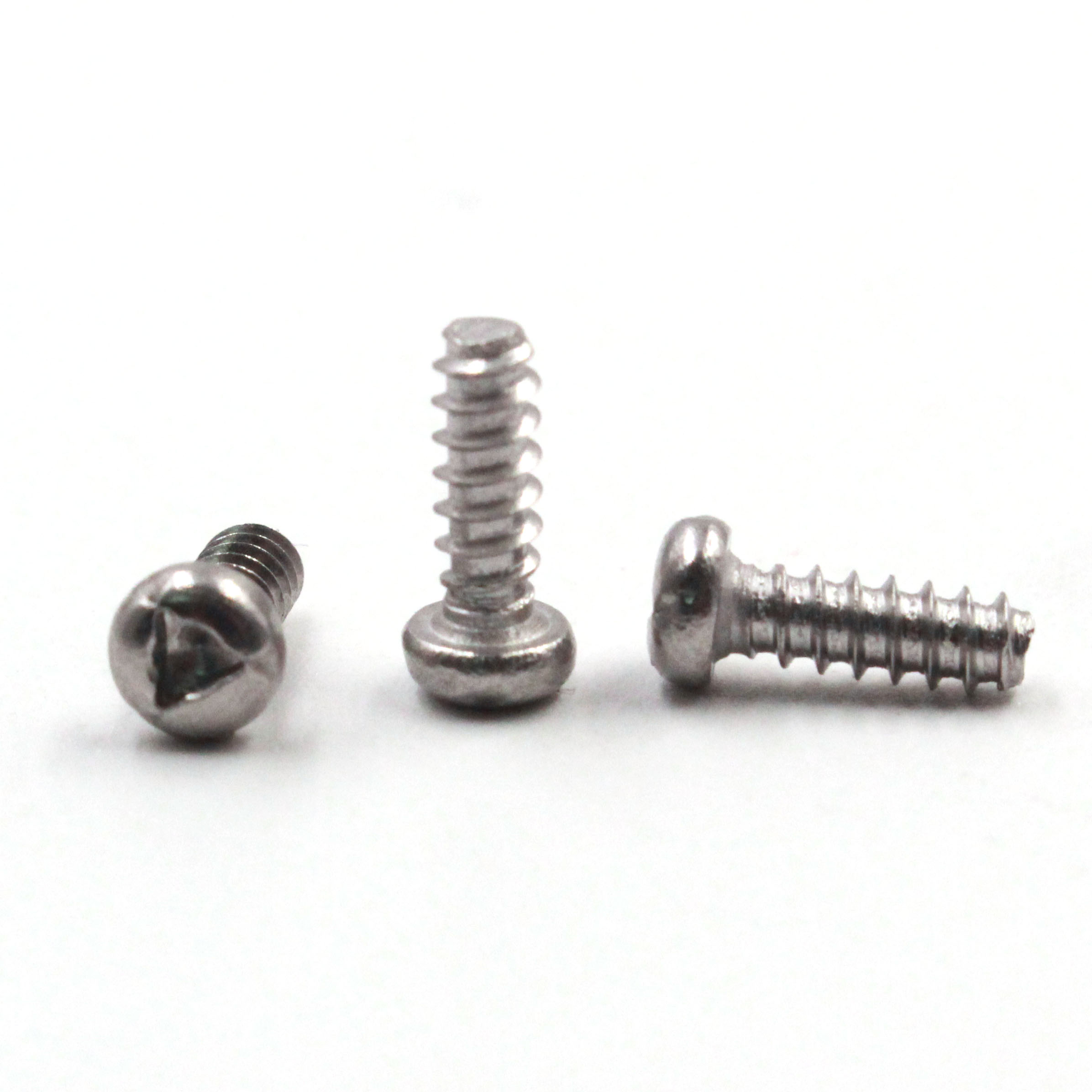
Seeking reliable pan head cross-recessed drive machine screws? This line blends robust design with versatile materials for global assembly. Ranging from metric to imperial sizes, compatible with standard fittings and threaded holes, these screws provide steady clamping and flush installation in electronics, enclosures, and machinery. Finishes include zinc plated, black oxide, and stainless variants, with materials such as carbon steel, stainless steel, and alloys. Flexible packaging and steady stock enable small test lots or large orders without delays. Backed by engineering expertise, our service prioritizes quality, traceability, and responsiveness for buyers. Each batch undergoes checks, thread profiling, hardness testing, and corrosion evaluation, with certifications available. We align with international standards and RoHS, offering lead times, on-time delivery, and scalable logistics. From design input to post-shipment support, we tailor sourcing to timelines and regulatory needs. Whether you assemble electronics, automotive components, or industrial equipment, these screws deliver consistent performance, reliable supply, and a resilient supply chain you can count on.

{ pan head philips machine screws Products Service Backed by Expertise}
Size Pitch (mm) Head Dia (mm) Head Height (mm) Drive Material Finish Tensile Strength (MPa) Applications
M3 x 6 0.50 6.0 2.0 PH2 Stainless Steel A2-70 Polished 520 Electronics enclosures
M3 x 8 0.50 6.0 2.1 PH2 Stainless Steel A2-70 Polished 520 Small equipment assemblies
M3 x 12 0.50 6.0 2.2 PH2 Stainless Steel A2-70 Polished 520 Cable management panels
M4 x 6 0.70 7.0 2.1 PH2 Carbon Steel Grade 12.9 Black Oxide 1000 Machinery assembly
M4 x 8 0.70 7.0 2.2 PH2 Carbon Steel Grade 8.8 Zinc Plated 800 General purpose hardware
M4 x 12 0.70 7.0 2.3 PH2 Stainless Steel A2-70 Polished 520 Panel mounting
M5 x 8 0.80 8.0 2.2 PH2 Stainless Steel A2-70 Polished 520 Enclosures and brackets
M5 x 10 0.80 8.0 2.3 PH2 Carbon Steel Grade 8.8 Zinc Plated 800 Mechanical assemblies
M6 x 8 1.00 9.0 2.3 PH2 Carbon Steel Grade 12.9 Zinc Plated 1080 Heavy-duty assemblies
M6 x 12 1.00 9.0 2.5 PH2 Stainless Steel A2-70 Polished 520 Structural components

Related Products

banner (2)

pan head philips machine screws Ahead of the Curve Factory-Direct Excellence

New Data Dimension: Time-Series Metrics of Production Efficiency

Explanation: This time-series chart tracks an Efficiency Index over the calendar year for a generic manufacturing operation producing pan head screws. The index is derived from multiple underlying metrics including throughput, cycle time, on-time delivery, and yield. The data show an overall upward trend in efficiency as the year progresses, with a notable dip in September followed by a strong rebound in October and December. The early part of the year indicates steady improvements as teams adapt from initial setup and process validations. The mid-year period suggests a momentary plateau once major gains are embedded, followed by a late-year surge that coincides with equipment upgrades or scheduling improvements. The chart communicates several actionable insights:

  • Early-year investments in preventive maintenance and employee training reduce unplanned downtime and improve overall equipment effectiveness.
  • The gentle mid-year dip warrants deeper investigation into potential bottlenecks, supply variability, or demand surges that temporarily strain capacity.
  • The late-year acceleration indicates that the combination of standard work, visual management, and real-time monitoring is translating into tangible gains.

From a data perspective, the Efficiency Index is bounded 0–100, making year-over-year comparisons intuitive and scalable to other lines or products. The visible trend supports the conclusion that the production system is moving toward higher efficiency, but it also highlights volatility that warrants closer root-cause analysis. By plotting a single composite index, this visualization provides a high-level signal while preserving the option to drill down into underlying drivers such as throughput, defect rate, or uptime. For future periods, extending the chart with additional series for throughput and quality would enable more precise attribution of efficiency changes. Maintaining continuous data collection and regular review cycles will be essential to sustaining improvements in a competitive manufacturing environment. This approach demonstrates how disciplined data storytelling can align operations with strategic goals, ensuring informed decisions and faster response to changing conditions. Overall, the chart illustrates that steady, data-informed refinements can accumulate into meaningful performance gains across a full year.

Top Selling Products