banner (1)

Nylok Anti Loose Screws - High-Quality Supplier of Precision Fasteners

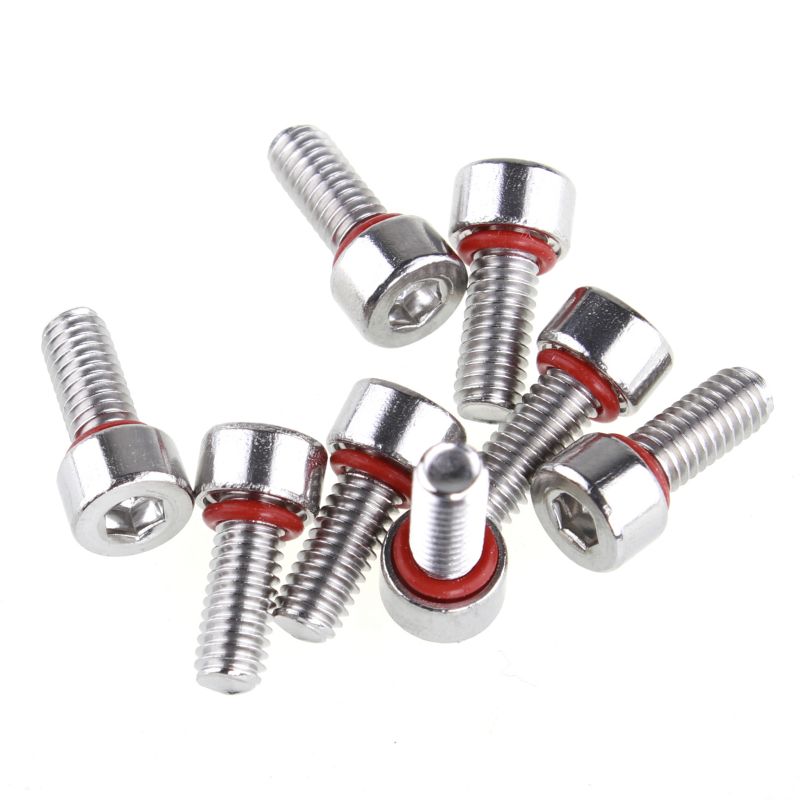
I’m here to help your engineering teams lock in reliability with Nylok Anti Loose screws. As a High-Quality Supplier of fasteners, I know every project depends on secure joints. These screws integrate a built-in nylon insert that resists vibration and loosening, delivering consistent torque retention across loads. They’re ideal for automotive, industrial machinery, robotics, and equipment that runs hot or heavy. With tight tolerances and corrosion-resistant finishes, they perform in harsh environments while simplifying assembly and maintenance. What you get: proven performance, repeatable results, and reliable supply. I offer varied thread sizes, lengths, and finishes, with short lead times and scalable stock to meet your production schedules. You can count on me to provide technical data, testing reports, and RoHS-compliant options on request. If you are seeking a dependable solution to prevent fastener failure, I’m ready to discuss your specifications and deliver a tailored quote quickly.

Hot Selling Product

Nylok Anti Loose screws Sets the Industry Standard Outperforms the Competition

Global product teams are increasingly adopting engineered locking fasteners that resist loosening under vibration and thermal cycling. An anti-loose screw line integrates a durable friction element within the fastener threads, delivering consistent clamping force across life cycles and reducing the need for retorquing. The result is safer assemblies, lower maintenance costs, and minimized downtime for electronics, automotive, machinery, and energy equipment. This approach simplifies bill of materials and delivers reliable performance across global operations. Buyers value predictable supply, material choice, and conformity to international standards. Locking screws are offered in stainless steel, alloy steel, and aluminum, with coatings and treatments to suit corrosive environments and clean-room assembly. They support wide temperature ranges, pass RoHS, REACH, and other regulatory checks, and align with common quality systems. With consistent performance, known lead times, and scalable packaging, these fasteners help global manufacturers boost productivity, extend service life, and accelerate entry into new markets.

Nylok Anti Loose screws Sets the Industry Standard Outperforms the Competition

Size (Thread x Length) Material Nylon Insert Color Coating Max Tensile Strength (MPa) Recommended Torque (Nm) Lock Retention After 1M Cycles (%) Operating Temperature (°C) Salt Spray Resistance (Hours) Typical Applications
M3x8 Stainless Steel 304 Natural Zinc Plated 505 0.20 92 -40 to 120 500 General machinery, electronics enclosures
M4x10 Stainless Steel 316 Natural Zinc-Nickel 515 0.35 94 -60 to 150 1000 Outdoor equipment, weather-exposed assemblies
M4x12 Alloy Steel AISI 4140 Natural Black Oxide 860 0.45 90 -40 to 120 650 Automotive components, high-vibration mounts
M5x12 Stainless Steel 316 Natural Zinc Plated 860 0.70 93 -60 to 180 1200 Industrial machinery, rugged enclosures
M5x20 Alloy Steel 4140 Natural Zinc-Nickel 900 1.00 95 -40 to 150 900 Heavy equipment, structural assemblies
M6x10 Stainless Steel 304 Natural Zinc Plated 600 0.50 88 -20 to 110 400 General purpose, consumer electronics frames
M6x16 Stainless Steel 316 Natural Zinc-Nickel 980 1.20 96 -60 to 200 1500 High-vibration machinery, precision equipment
M8x20 Alloy Steel 8740 Natural Black Oxide 1100 2.50 92 -40 to 120 800 Heavy-duty equipment, automotive assemblies
M8x25 Stainless Steel 304 Natural Zinc Plated 1000 2.00 90 -20 to 100 600 Electronics enclosures, aerospace components

Related Products

banner (2)

Nylok Anti Loose screws Trusted by Pros Service Backed by Expertise

Data Dimension: Torque Reliability and Incident Frequency over Time

New Data Perspective: Torque Reliability and Incident Frequency Over Time

Explanation: This chart presents two related metrics tracked over twelve months for fasteners designed to resist loosening in assemblies. The primary metric, Torque compliance (%), indicates the share of joints tightened to the target specification, reflecting tightening discipline and adherence to procedure. The secondary metric, Incidents per 1000 joints, measures observed loosening events during operation and serves as a lagging indicator of reliability. The data here are synthetic but illustrate how improvements in torque control can correlate with a reduction in loosening failures. Each month’s values reflect a cycle of training, tool calibration, and process audits that influence both metrics. The upward trend in torque compliance from winter to late summer suggests that recommended procedures, checklists, and torque verification tools were more consistently applied, reducing the risk of under- or over-tightening. The corresponding decline in incidents per 1000 joints supports the hypothesis that better tightening reduces failure risk, though short-term fluctuations occur due to seasonal workload changes, vibration profiles, or technician turnover. The chart uses a dual-axis design to allow visualization of two metrics with different scales without forcing a single composite value. This preserves sensitivity for both measures and communicates their relationship more clearly. Interpreting the trends, higher torque compliance generally coincides with lower incident rates, indicating a protective effect of proper torque on survivability of joints in service. Occasional spikes in torque may foreshadow upcoming issues that deserve root-cause analysis or targeted training, while sustained declines in incidents signal a successful tightening culture. For decision-makers, the visualization demonstrates the impact of systematic torque management on reliability and maintenance costs, and can justify investments in training, calibration programs, and documentation. Teams can leverage these insights to set targets, monitor progress, and refine fastening practices to maximize performance and safety.

Top Selling Products