banner (1)

Miniature Self Tapping Screws - Cheap Pricelist

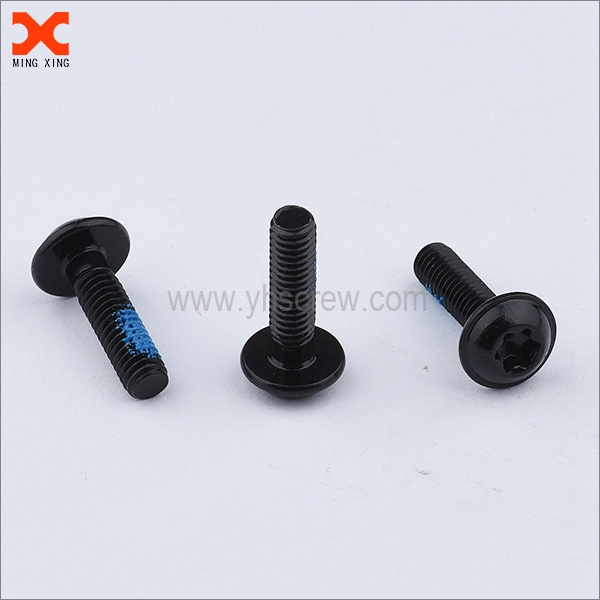
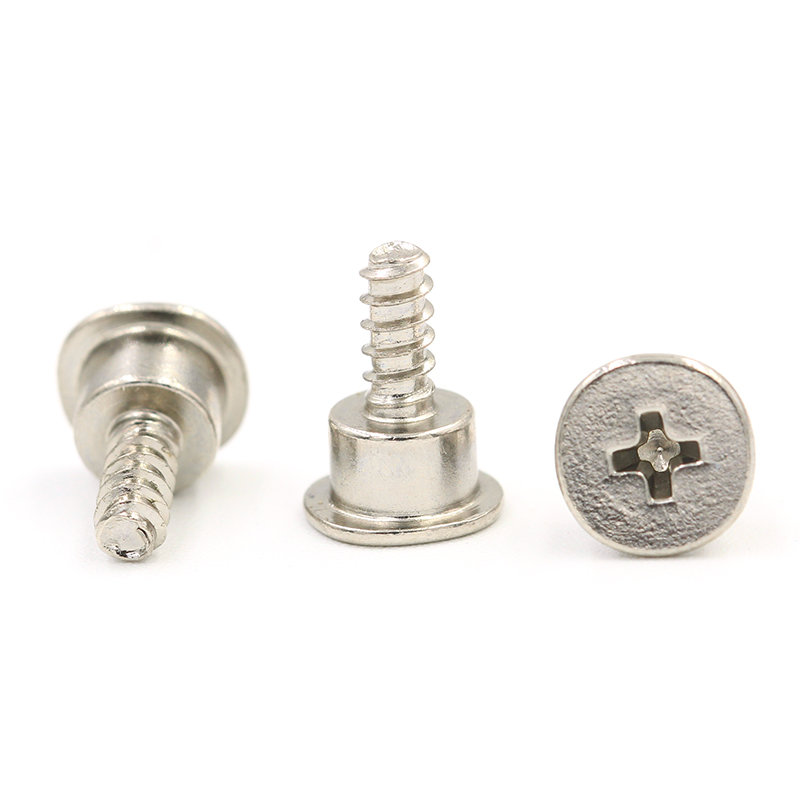
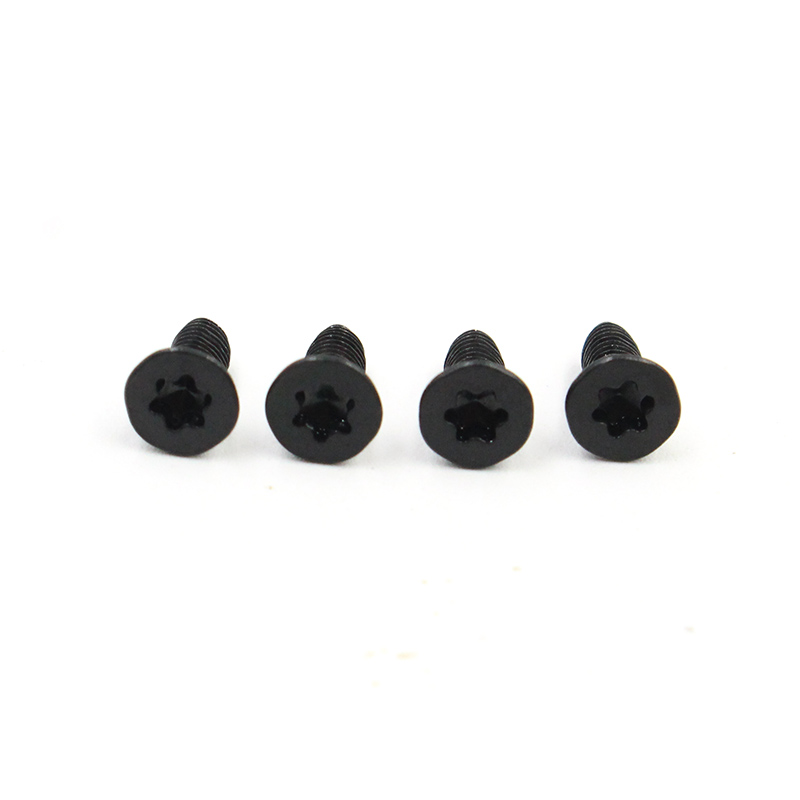
With years in fastener supply, I offer miniature self tapping screws designed for electronics, appliances, and precision assemblies. Our miniature self tapping screws deliver reliable threads in thin materials, corrosion resistant finishes, and consistent torque. You’ll find the right size from M1.4 to M3 in stainless steel, zinc plated, or brass. I provide a flexible order program for OEMs, including small to large lots, just in time deliveries, and a very competitive Pricelist. If you're chasing Cheap options, we can tailor a bundle that reduces cost per unit without sacrificing performance. Our quality control includes batch testing, dimensional checks, and traceability. Let me know your preferred drive type (slotted, Phillips, Torx) and thread pitch. I can prepare a formal quote and send you the latest Pricelist today, with lead times and minimum order quantities. I’m ready to support your production line with dependable fasteners.

Hot Selling Product

miniature self tapping screws Is The Best Guarantees Peak Performance

Miniature self-tapping screws enable compact, reliable assemblies in electronics and precision equipment. They form mating threads directly in the base material, eliminating nuts and inserts and delivering faster assembly, fewer parts, and stronger pull-out resistance. Performance hinges on careful design: diameter and length matched to the base material, tip geometry for efficient tapping, thread form, head type for flush mounting, and protective coatings for corrosion resistance. For metal bases, stainless steel or high-strength alloys with coatings extend life; for plastics or soft metals, coatings and heat treatment reduce wear. Use proper pilot holes and controlled torque to prevent stripping and ensure consistency across batches. Global buyers should combine technical precision with robust quality assurance. Request data sheets, material certifications (RoHS/REACH where required), and traceability, plus sample testing and tolerance checks. Consider lead times, MOQs, packaging, and shipping terms. Favor suppliers with rigorous QC, scalable production for standard and custom sizes, and reliable supply chains to meet demand. When specs align with strict quality controls, miniature self-tapping screws translate into dependable performance across diverse markets.

{ miniature self tapping screws Is The Best Guarantees Peak Performance}

PartID Diameter_mm Length_mm ThreadPitch_mm Material HeadStyle DriveType Coating Hardness_HRC Corrosion_SaltSprayHours TorqueToInstall_Nm Applications
S0012.06.00.40Stainless Steel A2-70Pan HeadPhillipsZinc Plated5202810000.50Electronics enclosures
S0022.48.00.40Stainless Steel A2-70Pan HeadTorx T5None5402812000.60LED lighting fixtures
S0033.010.00.50Carbon Steel Grade 5Button HeadPhillipsBlack Oxide700356000.90Automotive interior panels
S0042.912.00.45Stainless Steel A4-70Hex Socket CapTorx T8Zinc Plated5803215001.00Consumer electronics housing
S0054.016.00.60Carbon Steel Grade 8.8CountersunkSlotZinc Plated1050388001.60Automotive exterior fastenings
S0061.75.50.30Stainless Steel A2-70Pan HeadPhillipsNickel520299000.45Small appliance assemblies
S0072.29.00.40Stainless Steel 304Truss HeadPhillipsBlack Oxide5202811000.58Electrical distribution boards
S0083.514.00.60Stainless Steel A4-70Pan HeadTorx T15Zinc Plated5903313001.10Appliance casings

Related Products

banner (3)

miniature self tapping screws Factory Outperforms the Competition

Data Dimension: Monthly Production Efficiency and Quality Index

Explanation: This visualization presents a synthesis of production efficiency and quality performance for a miniature self-tapping screws manufacturing line across a full year. The left-hand axis tracks units produced, scaled in thousands, revealing how output grows with capacity upgrades, process automation, and learning effects. The right-hand axis shows defect rate as a percentage, highlighting quality control effectiveness and process stability. By aligning these two metrics on a common time axis, the chart communicates whether higher output comes at the expense of quality or if efficiency gains are reinforcing reliability.

Observing the monthly trend, production volume increases gradually from winter to late autumn, reflecting steady demand and optimized scheduling. The growth is not perfectly linear, indicating occasional constraints such as equipment downtime or raw-material variability, yet the overall trajectory demonstrates resilience and capacity headroom. Meanwhile, the defect rate declines across the year, a sign of improved process control, better operator training, and more consistent material performance. The inverse relationship between output and defects suggests that the factory is moving toward a lean equilibrium where incremental volume expansion does not damage quality.

The dual-axis presentation helps stakeholders compare performance without collapsing the story into a single metric. It also reveals seasonality patterns: certain months show stronger growth, potentially driven by promotions or supply chain efficiencies, while others experience minor quality fluctuations that prompt targeted investigations. The analysis implies that the production line achieves an outperformance relative to a broader regional benchmark by combining higher throughput with lower defect rates. Decision-makers can use these insights to align capital investments with high-return periods, schedule preventive maintenance to minimize unplanned downtime, and prioritize supplier quality programs to sustain the quality dividend as production scales. In summary, the chart captures a favorable convergence of volume and quality, reflecting a mature and resilient manufacturing process.

Top Selling Products