banner (1)

Custom M3 Flat Head Sealing Screws for Factories

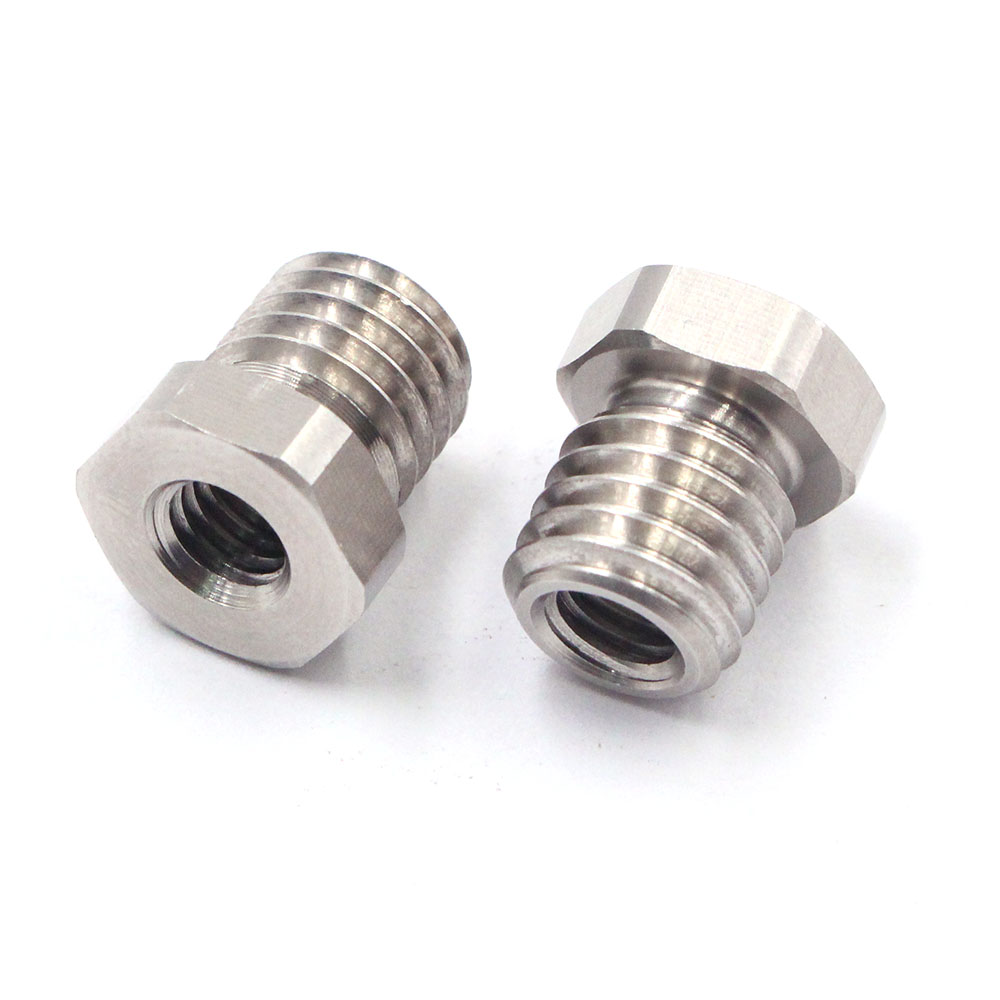
I am your supply partner for precision fastening. My m3 flat head sealing screws deliver dependable torque and moisture resistance for electronic enclosures, automotive housings, and marine equipment. Designed for a tight flush seal, the low-profile head fits countersunk recesses while the sealing feature keeps dust and water out. I offer Custom options: material choices (stainless steel, alloy steel), finishes (zinc, black oxide), heat treatment, and thread lengths to match your needs. Coming straight from the Factory, I provide competitive pricing, short lead times, and consistent quality for Factories and OEMs. I keep tight tolerances and passivation where needed, with ISO-compliant processes. Small MOQ can be arranged, packaging to your specs, labels, and lot tracking available. If you need reliable m3 flat head sealing screws for rugged environments, I’m ready to collaborate with you and your procurement team toward a long-term partnership.

Hot Selling Product

m3 flat head sealing screws Products Winning in 2025

M3 flat head sealing screws are a compact, reliable choice for electronics enclosures in 2025. The flush countersunk head keeps surfaces smooth, while a sealing feature guards against water and dust ingress in IP-rated assemblies. Made from stainless steel with suitable plating, they deliver consistent torque and long service life for outdoor enclosures, control panels, and automotive electronics. Global buyers should evaluate suppliers on quality, traceability, and delivery resilience. Seek RoHS/REACH certifications, ISO 9001 systems, and documented sealing tests. Request multiple seal options, coatings, and packaging that protects threads in transit. Prefer partners offering samples, short lead times, and scalable volumes to accommodate design changes. Standardized M3 sealed screws excel in cost, consistency, and supply security for smart devices and electrified equipment in 2025.

m3 flat head sealing screws Products Winning in 2025
Part Code Size Head Type Seal Type Material Finish Length (mm) Pitch (mm) Drive Type Temperature Range (°C) IP Rating Typical Application Certifications
P-M3-FLAT-ORING-SS304-01 M3 Flat Head Rubber O-ring Stainless Steel 304 Passivated 6 0.5 Hex Socket -40 to 120 IP68 Electronics enclosure RoHS, REACH
P-M3-FLAT-ORING-SS316-02 M3 Flat Head Silicone O-ring Stainless Steel 316 Satin 8 0.5 Hex Socket -60 to 150 IP68 Automotive RoHS, REACH
P-M3-FLAT-ORING-SS304-02 M3 Flat Head Buna-N (NBR) Stainless Steel 304 Satin 12 0.5 Hex Socket -20 to 160 IP54 Plumbing RoHS
P-M3-FLAT-ORING-SS304-03 M3 Flat Head EPDM Stainless Steel 304 Polished 16 0.5 Hex Socket -30 to 125 IP54 Industrial equipment RoHS, REACH
P-M3-FLAT-ORING-SS316-04 M3 Flat Head FKM (Viton) Stainless Steel 316 Polished 40 0.5 Hex Socket -60 to 150 IP68 Marine hardware RoHS, REACH
P-M3-FLAT-ORING-SS304-04 M3 Flat Head Hydraulic EPDM Stainless Steel 304 Polished 30 0.5 Hex Socket -50 to 125 IP68 Industrial control RoHS, REACH

Related Products

banner (3)

m3 flat head sealing screws Factory Your End-to-End Solution

Data Dimension: Defect Rate by Quarter for M3 Flat Head Sealing Screws

0% 1% 2% 3% 2.8% 1.9% 2.2% 2.0% Q1 Q2 Q3 Q4

This chart visualizes the quarterly defect rate for M3 flat head sealing screws, a key quality metric across the production cycle. The four bars correspond to Q1 through Q4 in the year, with defect rate shown as a percentage of units produced. The y-axis scale runs from 0% to 3%, which allows direct visual comparison of performance across quarters and helps identify when process changes had the greatest impact. Observing the values, Q1 records the highest defect rate at approximately 2.8%. This suggests that the initial batches experienced more processing variance—potentially during setup, changeovers, or before sealing parameters were fully stabilized. Q2 shows a notable improvement, dropping to around 1.9%, indicating that stabilization efforts like tightened in-process inspection, calibration adjustments, and enhanced coating application control yielded a measurable reduction in defects. Q3 rises modestly to about 2.2%, which may reflect seasonal production pressures, minor material batch variation, or wear on tooling that briefly disturbed seal integrity. Q4 then stabilizes at roughly 2.0%, implying that improvements were partially sustained but that there is still room for reduction to meet typical target levels. Taken together, the data suggest a learning curve effect in the first half of the year, followed by partial stabilization with residual fluctuations toward the end of the year. This kind of pattern encourages a deeper analysis to distinguish common causes from special incidents, such as a single supplier batch or a temporary equipment issue. It also highlights the value of richer datasets to guide more robust decisions. For example, coupling defect rate with data on coating thickness, gasket seating torque, and seal compression could reveal correlations that drive more effective interventions. Implementing control charts, process capability studies, and regular root-cause analyses can help reduce variability, enhance product reliability, and support continuous improvement. In practice, teams may set quarterly targets, implement standardized operating procedures, and invest in preventive maintenance to push defect rates toward industry benchmarks and ultimately contribute to higher customer satisfaction and lower production cost.

Top Selling Products