banner (1)

m2.5 captive screw - China Manufacturer for Precision Fasteners

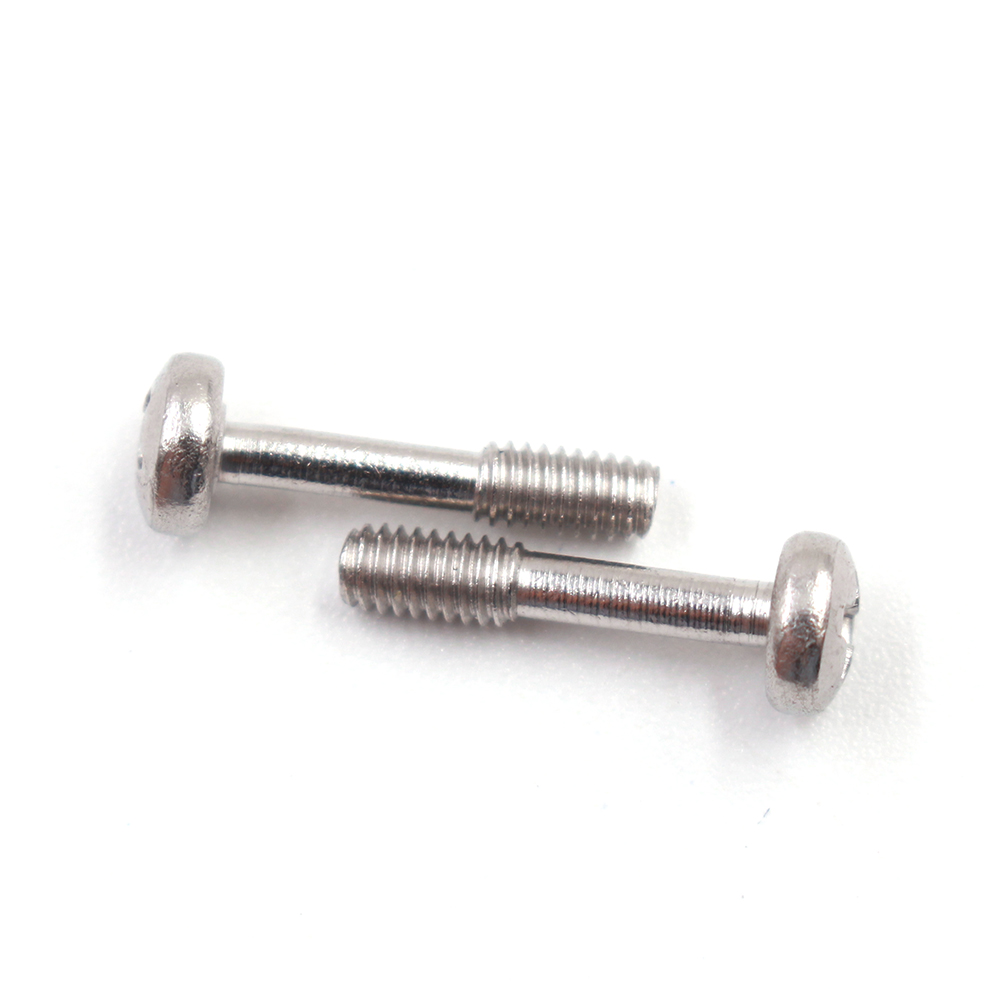
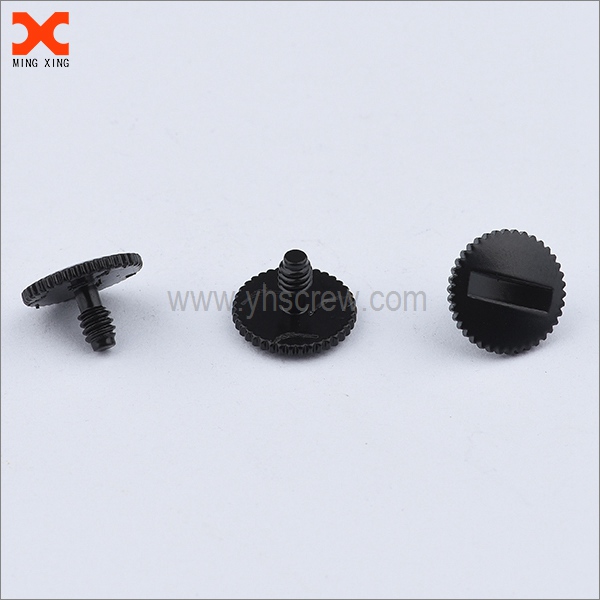
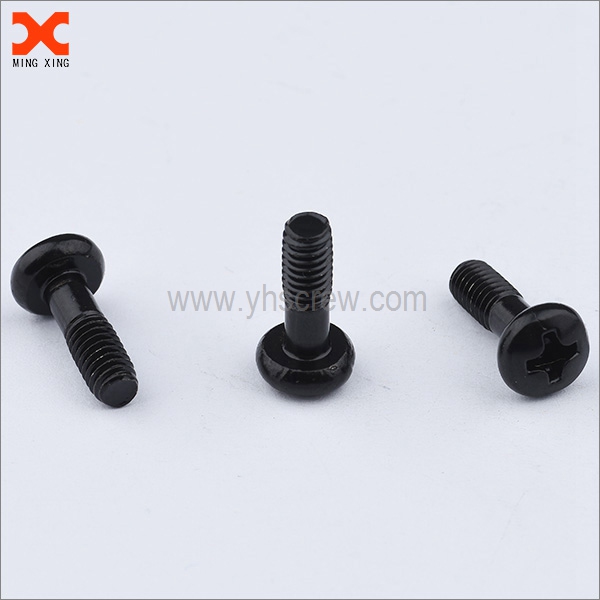
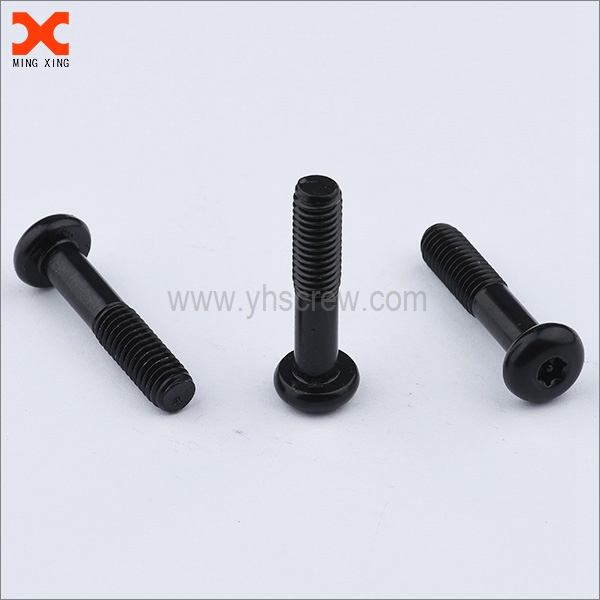
I’m a China-based manufacturer delivering the m2.5 captive screw your team can trust for dependable panel assembly. Precision-threaded, it stays captive in jigs and enclosures, reducing drop-offs during installation. Available in stainless steel 304/316 or zinc-plated steel, with options for pan, button, or flat-head styles and hex drive, so you can match your design and torque requirements. The M2.5 thread is compatible with standard metric tapped holes, and we offer lengths from 4 mm to 12 mm, as well as custom variations. We provide RoHS compliance and material certs, tight tolerances, and consistent batch-to-batch quality. As a leading China manufacturer, we support OEM/ODM orders, short lead times, and pack per your destination country. Competitive pricing without sacrificing reliability, and we can label or package to your specs. If you want a steady supply of m2.5 captive screws for electronics, enclosures or machinery, let's talk about your exact specs and timeline.

Hot Selling Product

m2.5 captive screw Manufacturers You Can Rely On Outperforms the Competition

Global buyers increasingly demand reliable M2.5 captive screw manufacturers who deliver consistent quality at scale. A leading supplier in a major South China electronics hub combines automation, tight process control, and vertical integration to produce high‑precision captive screws that meet tight tolerances (M2.5, typically ±0.05 mm). With multiple materials, coatings, and design options, this partner can tailor solutions for enclosures, cabinets, and electronic assemblies. In‑house tooling and rapid prototyping shorten NPI cycles, while rigorous QA ensures first‑time‑right parts and dependable performance in harsh environments. For global procurement, prioritize suppliers offering clear quality documentation, traceability, and certifications such as RoHS and ISO 9001. Flexible MOQs and responsive logistics help align with schedules across regions. Look for end‑to‑end support—from part selection and sampling to full production and after‑sales service, plus packaging and labeling that protect parts in transit. Such capabilities reduce risk, lower total ownership costs, and secure steady supply in dynamic markets.

{ m2.5 captive screw Manufacturers You Can Rely On Outperforms the Competition }
Model Length (mm) Material Finish Head Style Drive Type Tensile Strength (N) Pull-Out Strength (N) Operating Temperature (C) Certifications Applications
CS-M2.5-4.0-SS304-ZN 4.0 Stainless Steel 304 Zinc-Nickel Captive Button Phillips 550 420 -40 to 125 RoHS, REACH Electronics enclosures, PCB alignment
CS-M2.5-6.0-SS304-PASS 6.0 Stainless Steel 304 Passivation Captive Button Hex Socket 600 480 -50 to 125 RoHS, REACH Sealed electronics housings
CS-M2.5-8.0-SS316-PASS 8.0 Stainless Steel 316 Passivation Captive Button Hex Socket 700 520 -55 to 125 RoHS, REACH, IP65 Corrosion-prone enclosures
CS-M2.5-3.5-BRASS-GOLD 3.5 Brass CW614N Gold Captive Button Phillips 300 260 -10 to 100 RoHS Consumer electronics chassis
CS-M2.5-5.0-SS304-ZN 5.0 Stainless Steel 304 Zinc-Nickel Captive Button Hex Socket 650 500 -40 to 120 RoHS, REACH, UL Industrial equipment housings
CS-M2.5-4.5-SS304-ZN 4.5 Stainless Steel 304 Zinc Captive Button Hex Socket 520 450 -40 to 100 RoHS Machine enclosures
CS-M2.5-2.5-SS304-ANOD 2.5 Stainless Steel 304 Anodized Captive Button Hex 320 290 -60 to 110 RoHS Compact devices, POS systems
CS-M2.5-6.5-SS316-NI 6.5 Stainless Steel 316 Nickel-coated Captive Button Hex 800 620 -40 to 130 RoHS, REACH Harsh humidity environments

Related Products

banner (3)

m2.5 captive screw Industry Leaders Ahead of the Curve

Data Dimension: Torque Stability Index by Material Type

Overview: This chart presents a simplified view of how different material types influence the torque stability of m2.5 captive screws used in varied assemblies. The data dimension captures a torque stability index (TSI) as a proxy for joint reliability under dynamic loading. Higher values indicate a greater ability to maintain clamping force without relaxation or loosening, while lower values point to material related issues such as friction variance, wear, or galling tendencies. Context: In fastener design, selecting a compatible material pair and understanding surface interactions are essential to prevent premature loosening, thread wear, or failure. Aluminum, stainless steel, titanium, brass, PEEK, and nylon span a spectrum of stiffness, density, conductivity, and thermal behavior. The six materials here represent common choices in electronics housings, automotive interiors, aerospace fixtures, and consumer devices. The chart abstracts these factors into a single dimension for comparative purposes, acknowledging that real world results require additional testing. Interpretation: The bars show that metal-to-metal combinations like aluminum and stainless steel achieve higher TSI, suggesting better retention under cyclic loads. Titanium, while very strong, demonstrates moderate stability due to surface oxide behavior affecting friction. Brass displays moderate performance, often benefiting from its lubricity yet facing wear concerns over time. Polymers such as PEEK and nylon yield lower indices in this simplified model, indicating potential creep or lower friction that can compromise clamping force at elevated temperatures. The gaps between bars emphasize the role of material compatibility in assembly constraints and the need for appropriate lubrication, coatings, or thread locking. Implications: For design engineers, this visualization highlights trade offs between weight, cost, corrosion resistance, and torque stability. When reliability is critical, metal pairings with high TSI may be favored, along with surface treatments or thread lockers to supplement mechanical properties. For rapid prototyping, the chart helps identify material candidates that balance manufacturability with acceptable torque stability, guiding further experiments and standards development. Notes: The dataset is synthetic and intended for illustration. Real world decisions should combine experimental data, field observations, and customer requirements.

Top Selling Products