banner (1)

Low Head Shoulder Screw for OEM and Suppliers - Quality Fasteners

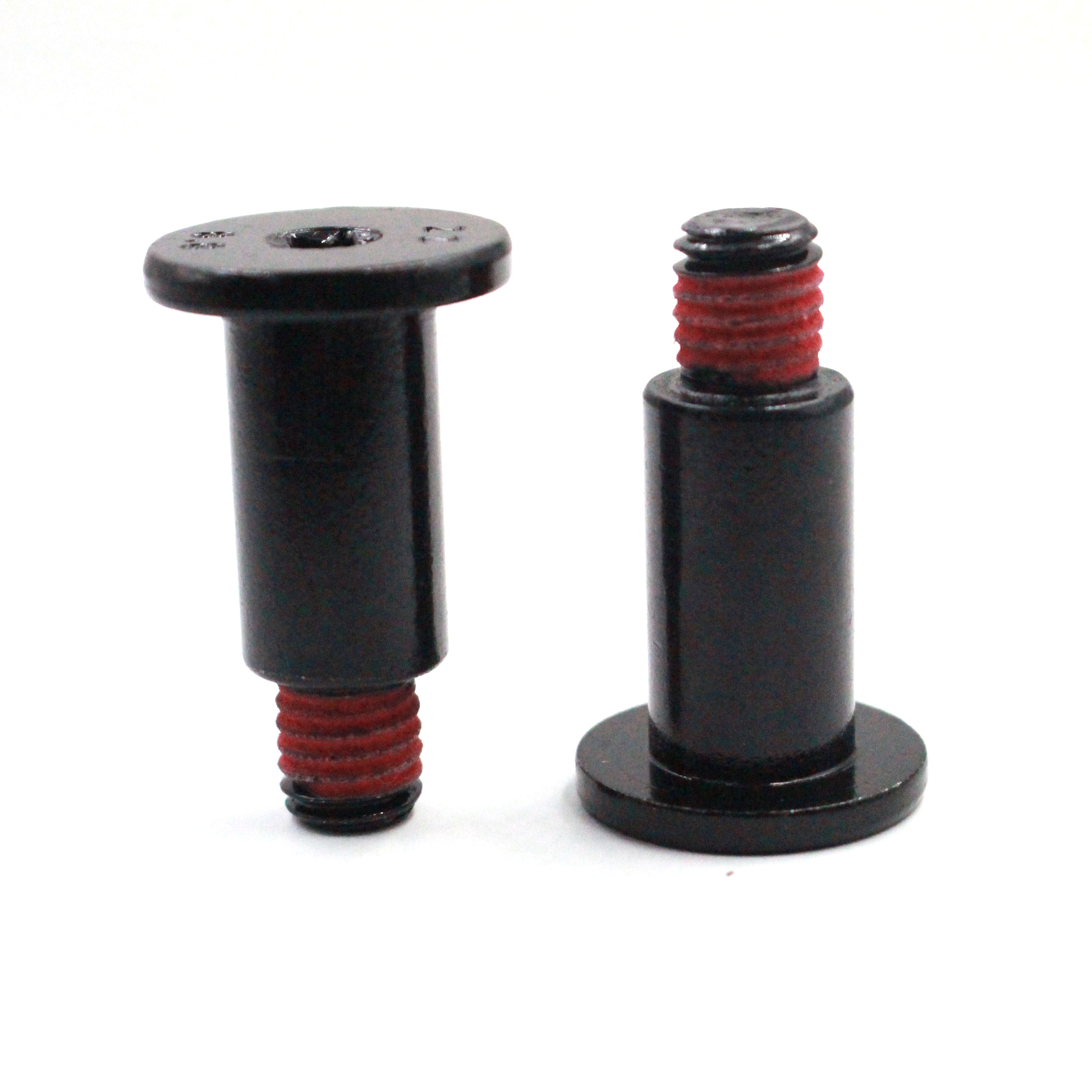
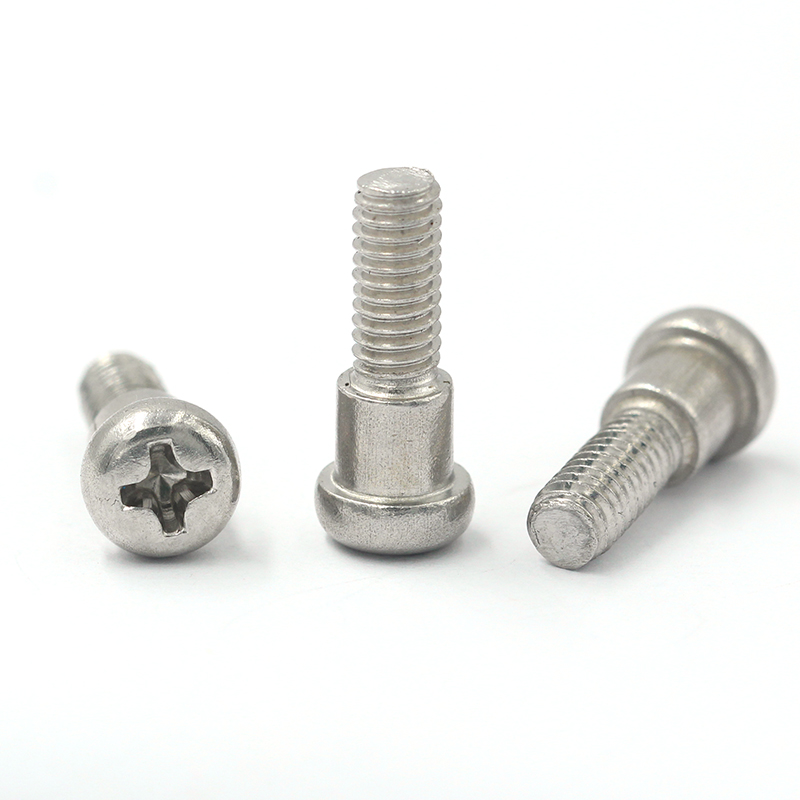
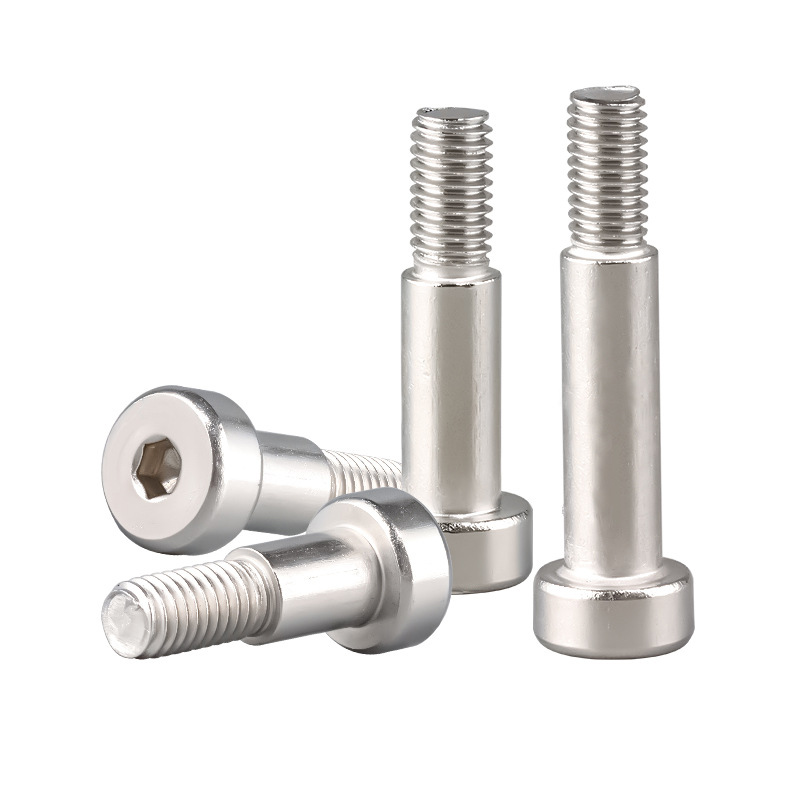
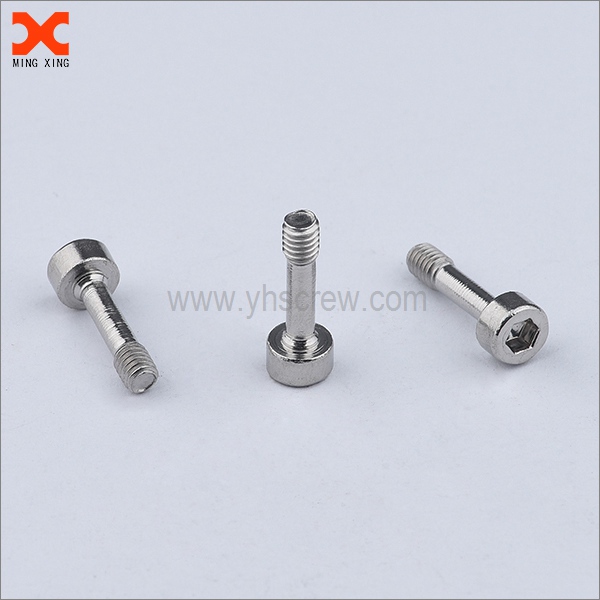
From my extensive sourcing chain, I can offer a reliable low head shoulder screw for your OEM applications. When you work with me, you get consistent quality, tight tolerances, and resilient materials that stand up to vibration and load. The low head design keeps heads below surface for flush mounting, reducing interference in automated assemblies. It’s ideal for precision equipment, electronics enclosures, and machinery where accurate alignment matters. I partner with trusted Suppliers to guarantee stock availability and rapid lead times, with options in stainless steel, alloy, and heat-treated finishes. We provide technical datasheets, certificates of conformance, and custom packaging to fit your procurement process. If you’re sourcing for OEM projects, I can tailor fasteners to your thread sizes, lengths, and coatings, ensuring easy installation and long service life. Let me help you streamline procurement with reliable low head shoulder screws and a dependable supply chain.

Hot Selling Product

low head shoulder screw Sets the Industry Standard Custom Solutions,

Low head shoulder screws deliver flush mounting, precise axial alignment, and reliable performance in compact assemblies. For global procurement, standardization ensures interchangeability across suppliers and speeds integration. A Dongguan-based manufacturing partner applies strict quality controls to produce consistent, ready-to-ship sets for international markets. Some projects benefit from off-the-shelf sets, but many require customization: shoulder length, thread pitch, head shape, and materials such as stainless steel, alloy steel, or aluminum. Finishes like zinc plating, black oxide, or passivation, plus heat treatment and tight tolerances, broaden compatibility with demanding environments. A capable supplier offers engineering support, packaging options, traceability, and RoHS/REACH compliance. For global buyers, the value lies in a resilient supply chain and clear documentation. Multi-region stocking, scalable production, and predictable lead times help consolidate vendors and reduce total cost of ownership. By aligning on a shared spec and a tailored customization program, customers gain repeatable performance across markets and reliable support for evolving applications.

{ low head shoulder screw Sets the Industry Standard Custom Solutions,}
Part Number Standard Material Finish Shoulder Diameter (mm) Shoulder Length (mm) Thread Size Head Type Head Diameter (mm) Head Height (mm) Recommended Torque (N·m) Applications
SHS-LH-04 DIN 6330 AISI 416 Stainless Steel Black Oxide 6.0 12.0 M4 Low Head Shoulder 8.0 3.5 2.5 Precision alignment in automation equipment
SHS-LH-06 DIN 6330 Alloy Steel 4140 Black Oxide 8.0 16.0 M6 Low Head Shoulder 9.5 3.8 4.0 Drive assemblies and linkages
SHS-LH-08 DIN 6330 AISI 304 Stainless Steel Satin 10.0 24.0 M8 Low Head Shoulder 12.0 3.2 6.0 Automotive assemblies and indoor equipment
SHS-LH-10 DIN 6330 AISI 316 Stainless Steel Passivation 12.0 30.0 M10 Low Head Shoulder 15.0 3.6 8.0 Heavy equipment mounting and robotics
SHS-LH-12 DIN 6330 Stainless Steel 17-4 PH Passivation 14.0 36.0 M12 Low Head Shoulder 18.0 3.4 12.0 Precision instrument mounts

Related Products

banner (4)

low head shoulder screw Industry Leaders Pioneers in the Field

Data Dimension Title: Low-Head Shoulder Screw Size Distribution and Application Frequency
0 10 20 30 40 50 60 70 M3 M4 M5 M6 M8 M10 22 45 60 35 20 12

This data visualization presents a data dimension titled "Low-Head Shoulder Screw Size Distribution and Application Frequency." The six categories correspond to widely used metric sizes in mechanical assemblies, and the values are shown in relative usage units for demonstration purposes. The chart highlights a concentration of demand around mid-range sizes (M4–M6), with smaller demand observed for both the smallest (M3) and largest (M8, M10) sizes. While the scale is illustrative rather than an actual inventory figure, the relative differences help illuminate how design choices, joint geometry, and torque requirements influence component selection.

Interpreting this dimension can guide procurement and design teams toward more efficient stocking strategies: prioritize the mid-range sizes, standardize on a limited subset of head styles and thread forms, and align BOMs to common sizes to reduce variance in supplier lead times. However, the numbers shown are synthetic; real-world decisions should be grounded in production data that accounts for product mix, weight of materials, lubrication needs, and regional demand. For richer insight, this dimension can be expanded with material grades, coating options, or length variations, and paired with time-series analysis to detect trends. A dashboard approach could also integrate supplier performance and failure rates to optimize both inventory levels and manufacturing reliability. In practice, combining this size distribution with broader supply chain metrics will enhance planning, reduce carrying costs, and improve product availability across assemblies.

Top Selling Products