banner (1)

High-Quality High-Strength Self-Locking Nuts | Trusted Supplier

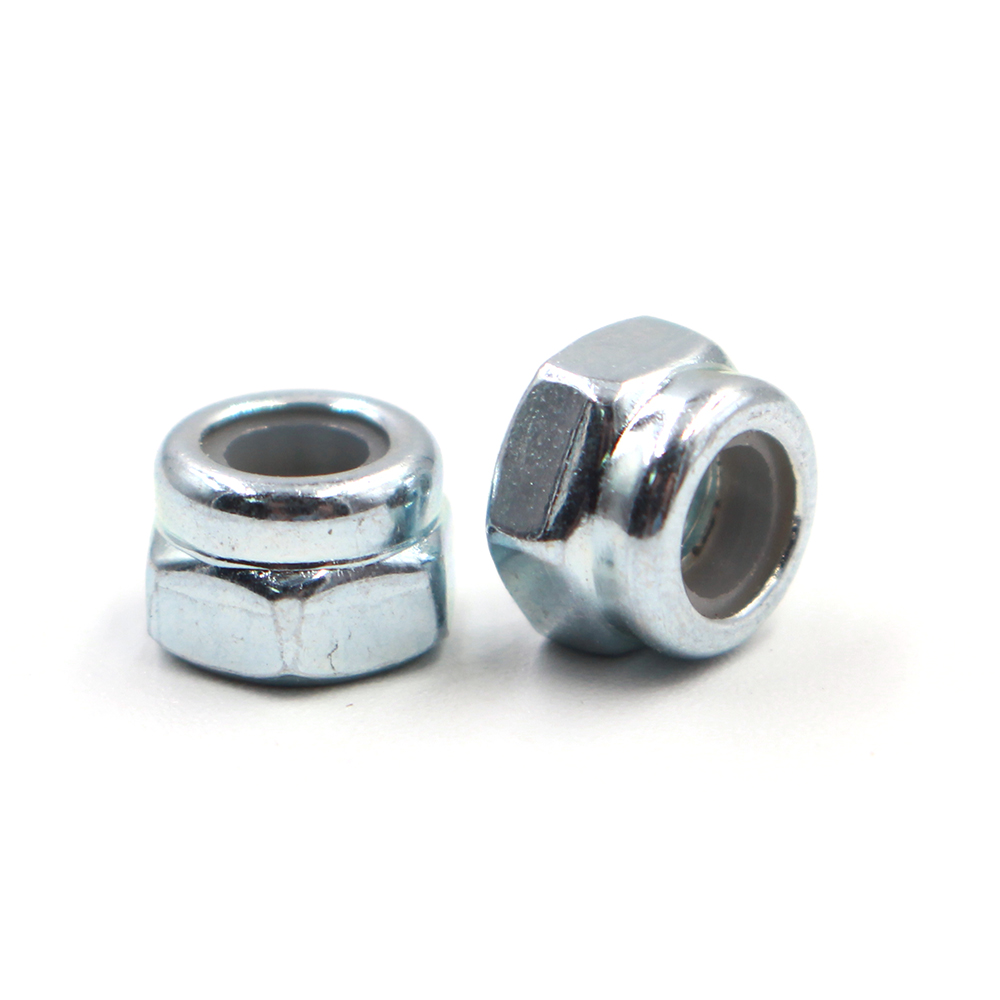
From my workshop to your production line, these high-strength self-locking nuts are engineered to stay snug under vibration and heavy load. I source only High-Quality fasteners, tested to exceed DIN/ISO specs, giving you reliable torque retention and thread engagement. As your Supplier, I understand uptime matters; these nuts feature a proven locking mechanism that resists loosening without over-stressing threads. They come in standard metric and imperial sizes, coated for corrosion resistance, compatible with common bolt grades. In practice, you’ll save maintenance time, reduce retightening, and eliminate misfastening risk. I offer bulk pricing, quick lead times, and certifications for aviation, automotive, or machinery applications. If you’re looking for a dependable pair of components to keep assemblies secure in harsh environments, these high-strength self-locking nuts deliver. Let me tailor a package to your batch size and material specs, so your line stays productive and your downtime stays down.

Hot Selling Product

high-strength self-locking nuts Sets the Industry Standard Supplies the World\u2019s Top Brands

Global buyers seek fastening solutions that perform under real-world stress. High-strength self-locking nuts prevent loosening from vibration and dynamic loads, preserving clamping force through wide temperature ranges. They are indispensable in automotive, industrial machinery, energy equipment, and electronics housings. The top choices combine strong alloys, precise threads, and robust locking mechanisms—such as nylon inserts or prevailing-torque designs—to deliver reliable performance in harsh environments. Strategic sourcing hinges on quality, consistency, and speed. Suppliers should offer standardized manufacturing, rigorous QA, and traceability from material to finished parts, plus coatings for corrosion resistance and compatibility with various finishes. Flexible packaging, scalable volumes, and global logistics help integrate fasteners into complex supply chains, enabling OEMs and assemblers to meet safety, reliability, and efficiency requirements across markets.

{ high-strength self-locking nuts Sets the Industry Standard Supplies the World's Top Brands }

NUT TYPE MATERIAL GRADE THREAD SIZE (M x P) LOCKING MECHANISM TENSILE STRENGTH (MPa) OPERATING TEMP (C) FINISH STANDARD
Nylon insert hex self-locking nut A2-70 (304) M6 x 1.0 Nylon insert 800 -50 to 120 Zinc plated DIN 985
Nylon insert hex self-locking nut A4-80 (316) M8 x 1.0 Nylon insert 900 -60 to 150 Passivated DIN 985
Nylon insert hex self-locking nut A2-70 M10 x 1.5 Nylon insert 850 -50 to 125 Zinc plated DIN 985
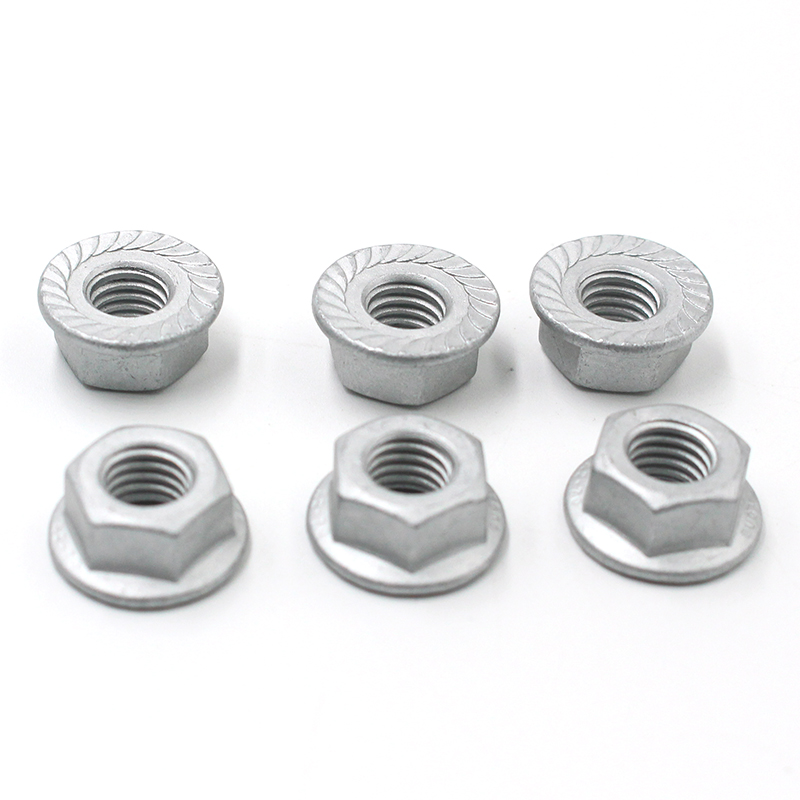
Serrated flange locknut A2-70 M12 x 1.75 Serrated under head 790 -40 to 175 Zinc plated ISO 4032
Prevailing torque hex nut Alloy steel 8.8 M14 x 2.0 Prevailing torque 1000 -60 to 250 Black oxide ISO 2320
Nylon insert hex self-locking nut A4-80 (316) M16 x 2.0 Nylon insert 700 -50 to 150 Passivated DIN 985
Nylon insert hex self-locking nut Al 6061 M5 x 0.8 Nylon insert 320 -20 to 110 Anodized DIN 985
Prevailing torque hex nut Ti-6Al-4V M8 x 1.25 Prevailing torque 900 -80 to 300 Anodized DIN 934
Serrated flange locknut A2-70 M22 x 2.5 Serrated flange 820 -40 to 200 Zinc plated ISO 7089

Related Products

banner (3)

high-strength self-locking nuts Supplies the World\u2019s Top Brands From Concept to Delivery

Data Dimension: Global Sector Distribution of High-Strength Self-Locking Nut Production

This dataset focuses on a data dimension called Global Sector Distribution of High-Strength Self-Locking Nut Production. The dimension aggregates annual manufacturing volumes by major application sectors such as Automotive, Aerospace, Industrial Machinery, Construction, Electronics, and Energy. Values are expressed in thousands of units and represent shipped quantities across the supply chain from concept to delivery in a synthetic scenario designed for demonstration.

The chart uses a straightforward bar representation: each bar corresponds to a sector, with height proportional to production volume. The axis labels help compare relative demand, while the gaps reflect differences in market scale and deployment timelines. The data in this example is illustrative rather than a record from a specific company; it provides a controlled environment to examine how sector mix might influence capacity planning, procurement, and logistics decisions.

Key insights: Automotive leads in volume due to broad market size and ongoing upgrade cycles; Aerospace sits behind but with tight tolerances and high-quality requirements; Construction and Industrial Machinery show substantial volumes but with more regional variation; Electronics and Energy contribute smaller shares but are growing in micro fasteners and energy storage assemblies.

Limitations and use: Because the numbers are synthetic, they should not be used for actual procurement or market forecasting. In a real setting, it would be important to factor regional production, seasonal demand, supplier capacity, lead times, and regulatory constraints. The data dimension is intended to support scenario analysis, help highlight leverage points in the supply chain from concept to delivery, and facilitate communication among engineering, procurement, and manufacturing teams.

Top Selling Products