banner (1)

Hexagon socket Shoulder Screw - China Manufacturer

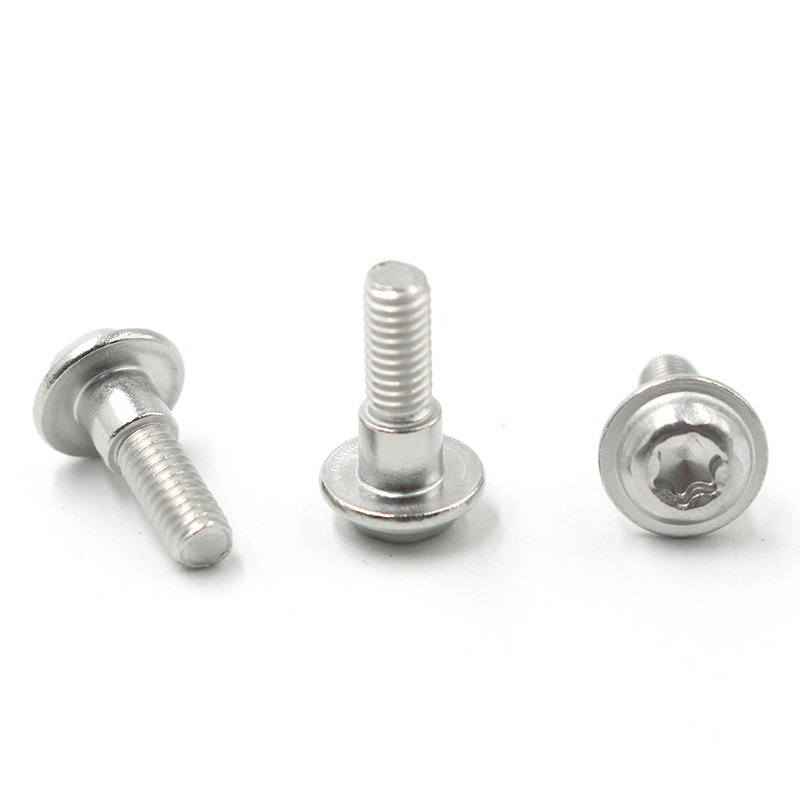
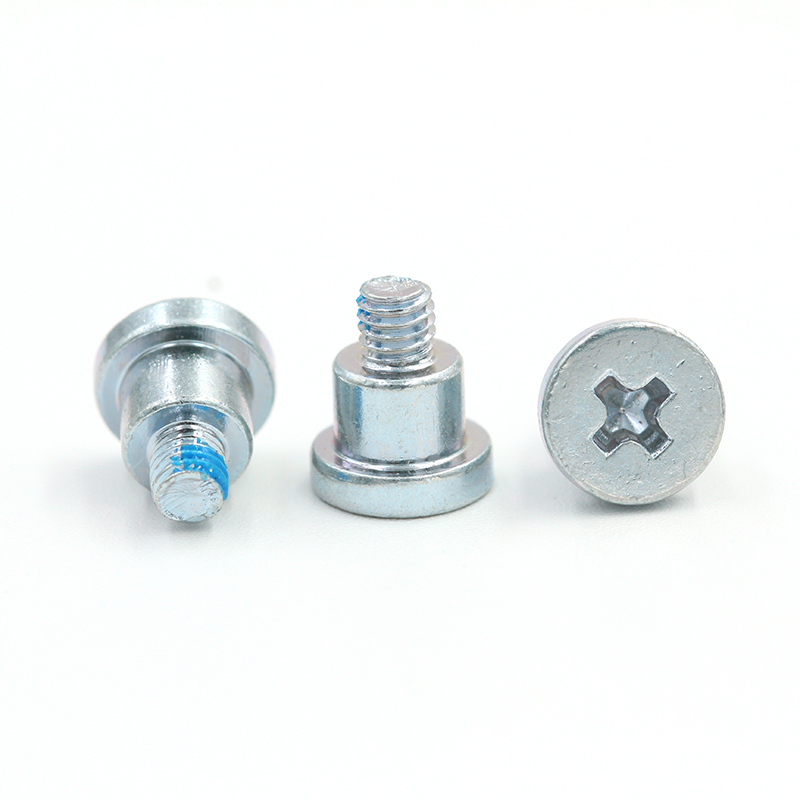
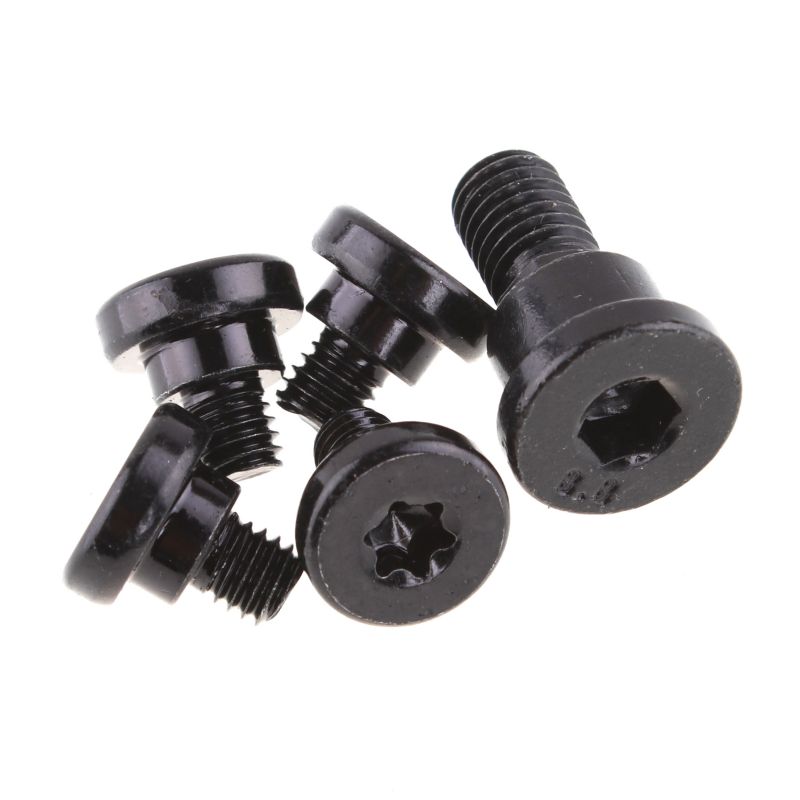
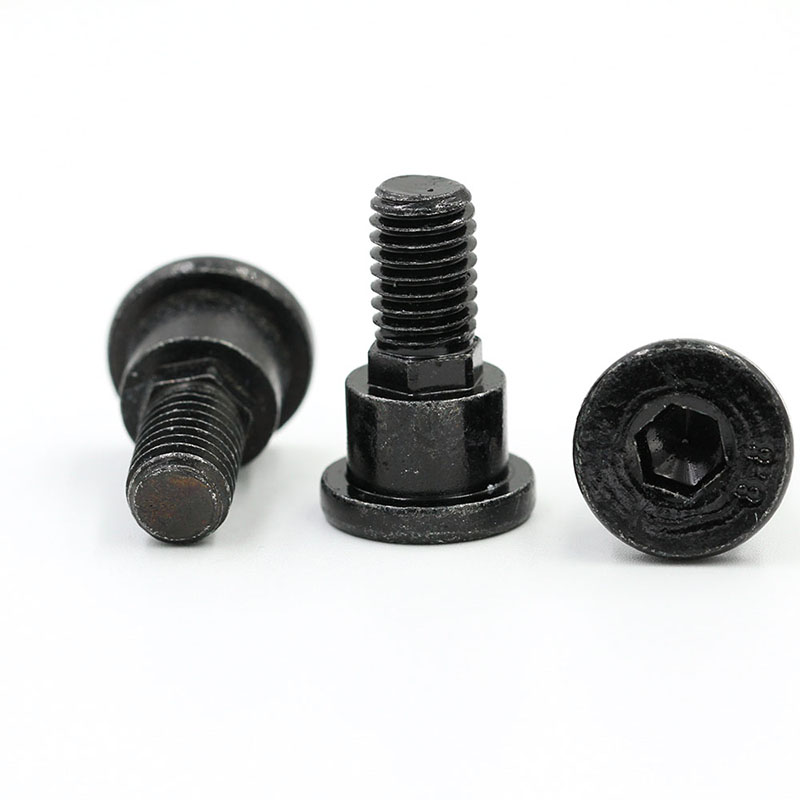
From a China-based factory I offer a Hexagon socket Shoulder Screw designed for high-load axles, precision assembly, and vibration-resistant joints. As a Manufacturer, I understand what B2B buyers look for: consistent tolerance, corrosion resistance, and easy installation. This Hexagon socket Shoulder Screw features a full shoulder, tight hex socket drive, and a near-zero runout to ensure smooth, repeatable positioning in automations, conveyors, and tooling fixtures. I use high-grade alloy steel or stainless options, heat-treated for strength, with a black-oxide or zinc finish to resist wear. Lengths and thread sizes vary to fit your exact spec, and I can batch-manufacture to tight lead times. If you're sourcing in China and need a dependable partner, I provide QA documents, certificates, and flexible MOQs. I pride myself on fast communication and on-time delivery, helping your production lines reduce downtime while keeping costs predictable. Reach out and share your specs—I’ll tailor a solution that fits your project.

Hot Selling Product

Hexagon socket Shoulder Screw Products Delivers Unmatched Quality

Global buyers seek precision and reliability. Hexagon socket shoulder screws offer a robust shoulder for dynamic loads and a compact hex socket for space-efficient assembly. Made from stainless or alloy steel and heat-treated for hardness, with zinc, black oxide, or nickel finishes, they meet tight tolerances and ensure traceable quality across batches. A southern China manufacturer blends CNC turning, precision grinding, heat treatment, and coating to serve global demand. Options include metric and inch threads, varied shoulder diameters and lengths, and multiple coatings. Short sampling, scalable production, and strict inline checks keep lead times predictable and quality high. For global procurement, the payoff is durability, lower maintenance, and total cost of ownership. With reliable packaging, lot traceability, and ready-to-ship inventories, logistics become smoother. Clear specs and QA criteria help buyers maximize supplier performance.

Hexagon socket Shoulder Screw Products Delivers Unmatched Quality
Item Code Material Finish Shoulder Ø (mm) Shoulder Length (mm) Thread Size Overall Length (mm) Hardness (HRC) Tensile Strength (MPa) Temp Range (°C) Notes
SH-304-08-12 304 Stainless Steel Satin 8.0 12.0 M6 x 1.0 30.0 25 520 -60 to 250 Corrosion-resistant; suitable for light-duty assemblies
SH-4140-10-16 Alloy Steel 4140 Black Oxide 10.0 16.0 M8 x 1.25 38.0 36-42 900 -40 to 150 Stress-relieved; heat-treated
SH-316-08-15 316 Stainless Steel Passivated 8.0 15.0 M6 x 1.0 32.0 28-32 620 -60 to 250 Excellent corrosion resistance
SH-1018-12-20 Carbon Steel 1018 Zinc-Plated 12.0 20.0 M12 x 1.75 40.0 22-28 520 -40 to 150 General-purpose; cost-effective
SH-304-06-10 304 Stainless Polished 6.0 10.0 M5 x 0.8 22.0 29 500 -60 to 250 Smooth finish for cosmetic install
SH-316-08-25 316 Stainless Passivated 8.0 25.0 M8 x 1.25 37.0 32-36 640 -60 to 250 High corrosion resistance; higher strength

Related Products

banner (3)

Hexagon socket Shoulder Screw Ahead of the Curve Custom Solutions,

Data Dimension: Customization Intensity vs Production Lead Time

Explanation: This chart presents a data-driven view of how customization intensity relates to production lead time over a year. The x-axis represents months, while the y-axis shows lead time in days. The line traces lead-time changes as customization demands fluctuate, revealing a general downward trend from January to December with minor fluctuations. This pattern reflects a practical “Ahead of the Curve” approach: early cycles incur higher setup times due to unique configurations, but as tooling, processes, and standardized changeovers mature, lead times stabilize and shorten. For Hexagon socket shoulder screw programs and similar custom solutions, there is a trade-off between offering highly customized features and maintaining tight lead times. The visualization suggests several actionable strategies: standardize common modules to reduce variability, invest in rapid-change tooling to enable faster iterations, and strengthen supplier coordination to prevent late-year spikes caused by demand surges. Additionally, stratifying offerings into core standard components plus a modular customization layer can deliver quick wins in speed while preserving the flexibility to meet specialized needs. This metric supports capacity forecasting, inventory planning for common geometries, and optimized production scheduling. While the relationship depicted is not perfectly linear, it highlights the benefits of proactive process improvement in keeping lead times predictable even as the design space expands. Ultimately, data-driven visuals like this help manufacturing teams balance flexibility with efficiency, staying ahead of the curve in fast-moving markets. Future enhancements could couple lead-time data with cost and quality metrics to yield even richer insights for decision-making.

Top Selling Products