

Custom Hex Socket Head Cap Screw M3 for Factories
I'm your go-to for Hex Socket Head Cap Screw M3, and I help buyers in Factories find steady, high-quality fasteners. If you search Custom solutions, I can tailor length, thread pitch, finish, and coating to fit your equipment. Our Hex Socket Head Cap Screw M3 is made from high-grade steel, heat-treated, with zinc or black oxide options for corrosion resistance. I know that in a factory, lead times and batch traceability matter, so we maintain tight QC and scalable stock. I offer flexible MOQs and bulk pricing for large orders, plus fast shipping worldwide. The right Hex Socket Head Cap Screw M3 improves assembly reliability in automotive, machinery, electronics, and production lines. Packaging can be customized for your brand, customer labeling, and distribution needs. Tell me your specifications, and I deliver consistent performance and value for your operation.
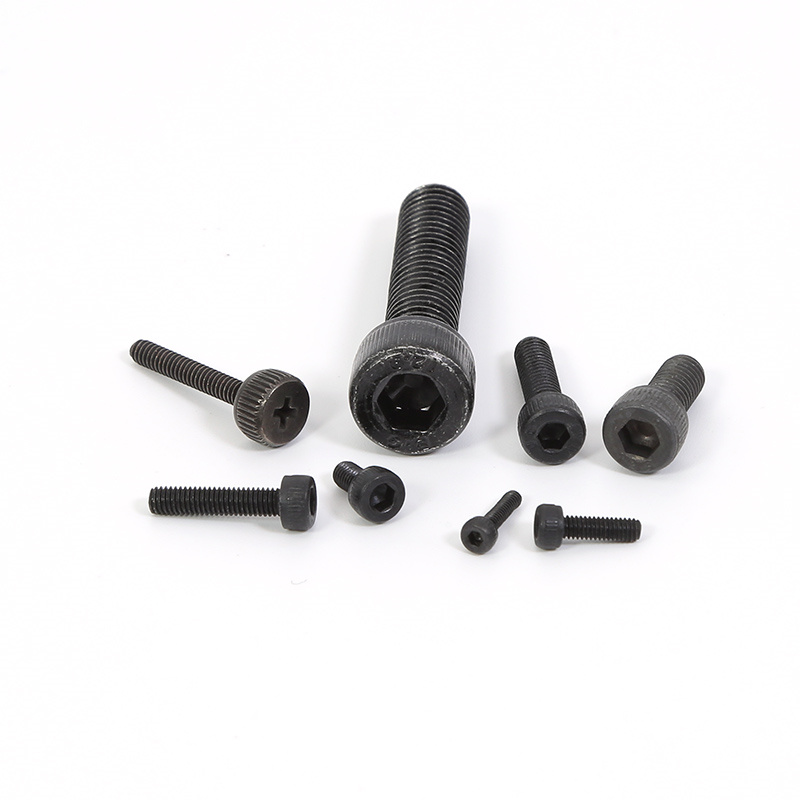

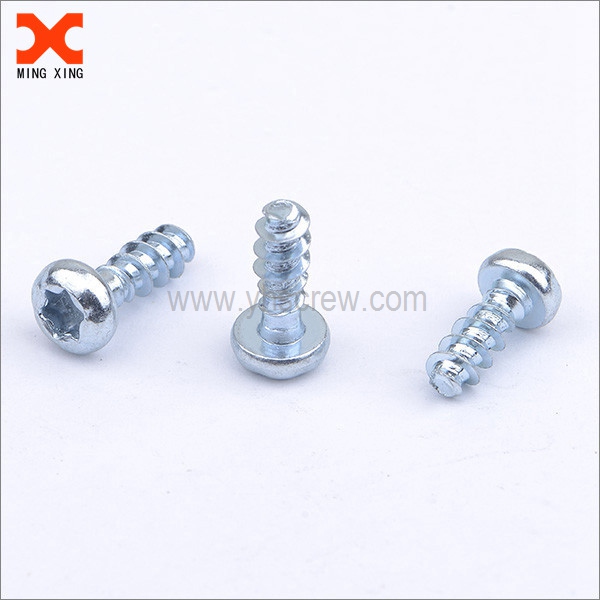


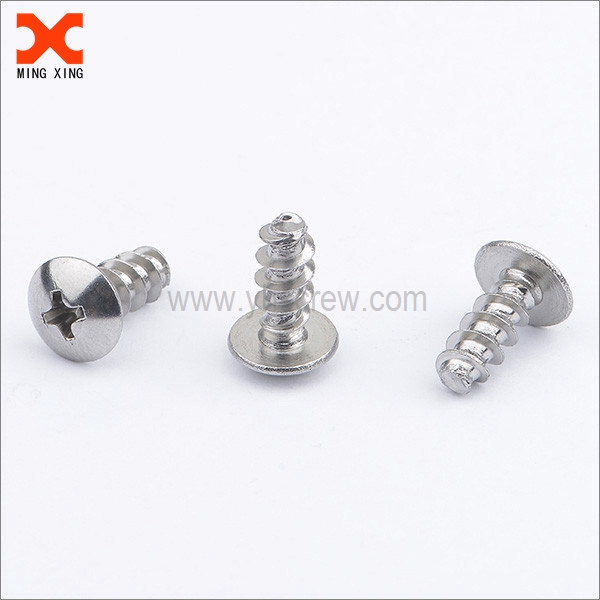
Hex Socket Head Cap Screw M3 Supplier Ahead of the Curve
Hex socket head cap screws in M3 size are a compact, reliable choice for electronics, robotics, and precision assemblies where firm clamping matters. The M3 thread has a 0.5 mm pitch, balancing grip with space constraints. Materials range from corrosion‑resistant stainless steel to hardened alloy steel for higher loads, with finishes such as zinc plating, black oxide, or passivation for protection. Compliance with DIN 912 or ISO 4762 ensures consistent head height and drive recess. When selecting, consider tolerance classes and heat treatment to guarantee uniform performance across lots. For global buyers, the differentiator is a supplier that combines dependable lead times, scalable MOQs, and rigorous QA with transparent documentation. Seek end-to-end traceability from material certificates to finished fasteners and test reports. Coatings should meet thickness and corrosion requirements, supported by salt spray or humidity tests. Efficient logistics, protective packaging, and responsive after-sales support minimize ramp-up risk across sites. To speed design-in, look for CAD models, clear technical specs, and proactive communication that keeps projects on schedule in complex supply chains.
| Variant | Length (mm) | Thread Pitch (mm) | Material | Finish | Standard | Head Ø (mm) | Head Height (mm) | Hex Socket Size (mm) | Notes |
|---|---|---|---|---|---|---|---|---|---|
| M3x6 DIN 912 / ISO 4762 | 6 | 0.50 | A2-70 (304 SS) | Satin | DIN 912; ISO 4762 | 5.0 | 2.0 | 2.0 | For general mechanical assemblies |
| M3x8 DIN 912 / ISO 4762 | 8 | 0.50 | A2-70 (304 SS) | Zinc Plated | DIN 912; ISO 4762 | 5.0 | 2.0 | 2.0 | Common for through-hole fittings |
| M3x10 DIN 912 / ISO 4762 | 10 | 0.50 | A4-80 (316 SS) | Satin | DIN 912; ISO 4762 | 5.0 | 2.0 | 2.0 | Corrosion resistant for wet environments |
| M3x12 DIN 912 / ISO 4762 | 12 | 0.50 | A2-70 | Black Oxide | DIN 912; ISO 4762 | 5.0 | 2.0 | 2.0 | Blackening option for aesthetics |
| M3x16 DIN 912 / ISO 4762 | 16 | 0.50 | A2-70 | Zinc Plated | DIN 912; ISO 4762 | 5.0 | 2.0 | 2.0 | Longer length for through-hole assemblies |
| M3x20 DIN 912 / ISO 4762 | 20 | 0.50 | A4-80 (316 SS) | Zinc Plated | DIN 912; ISO 4762 | 5.0 | 2.0 | 2.0 | Industrial-grade longer version |
Related Products

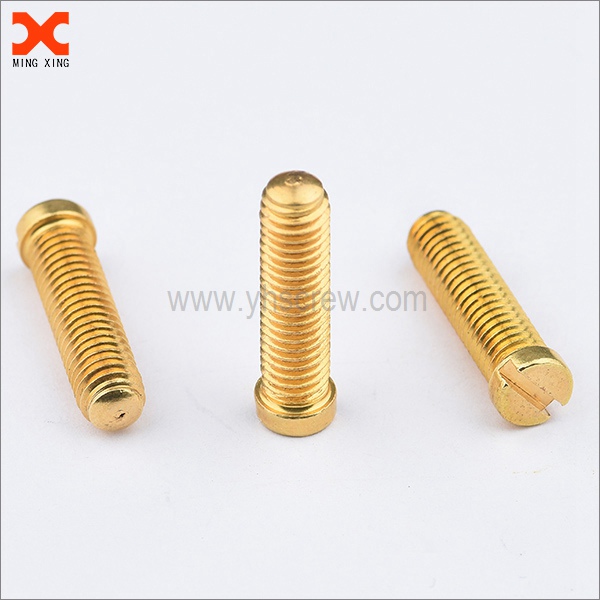



Hex Socket Head Cap Screw M3 Is The Best in 2025
Top Selling Products



- Related Blog
- Reviews
- Reviews

-

Phone
-

E-mail
-

Whatsapp
-

WeChat

-

Top


