banner (1)

Flat Countersunk Head Screw - Cheap Pricelist for Projects

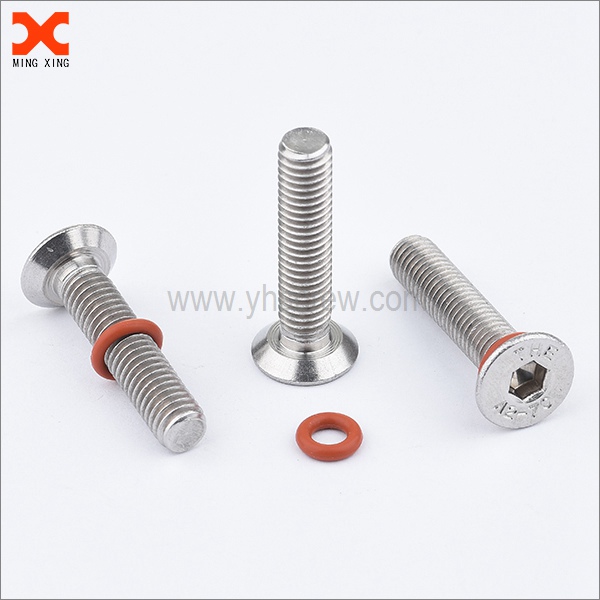
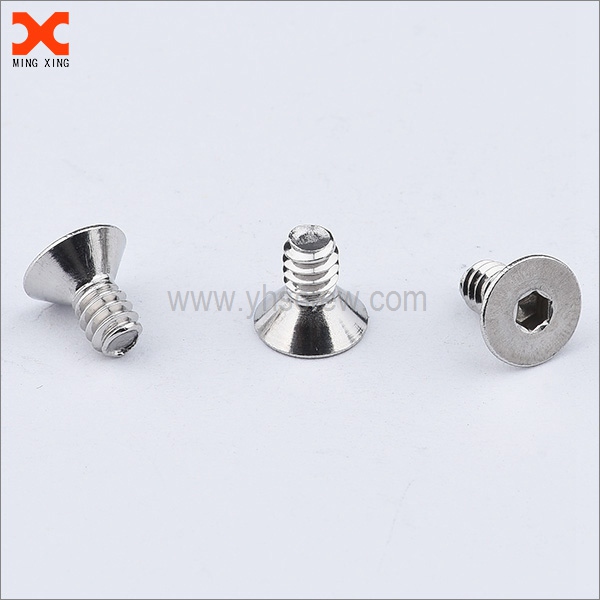
I help you lock in quality with a reliable flat countersunk head screw, perfect for flush mounting in cabinets, electronics enclosures, and metalwork. My range covers stainless steel and carbon steel options, with zinc or black-oxide finishes, so you can choose corrosion resistance and strength that match your application. The head sits flush to the surface, giving a clean, professional finish and less snag risk in assembly lines. Easy to drive with standard Phillips or slotted drives, these screws deliver consistent torque and pull through resistance. For bulk orders, you’ll find Cheap pricing and stable supply, backed by quick lead times and strict quality control. I keep a detailed Pricelist available on request, so you can compare sizes, pitches, and coatings before you decide. If you need samples or technical data sheets, I’ll send them right away. Let’s tailor a package that fits your project and budget.

Hot Selling Product

flat countersunk head screw Products Factory

Flat countersunk head screws offer a sleek, flush finish that blends with furniture, electronics enclosures, and machinery. The countersunk head sits flush with the surface, while a standard drive type (Phillips, Pozidriv, Torx) provides reliable torque. A factory producing these screws can supply stainless steel, alloy steel, and zinc-plated fasteners, with finishes such as black oxide or passivation for extra corrosion resistance. State-of-the-art CNC processing, heat treatment, and strict quality control ensure consistent head height, thread engagement, and torque performance. Compliance with international standards (RoHS, REACH, ISO quality systems) gives buyers confidence to source at scale. These screws fit a wide range of applications: automotive panels, consumer electronics housings, furniture, lighting fixtures, and marine equipment. Common sizes include metric M4 to M12 and corresponding imperial equivalents, with varying thread pitches and head diameters. Customers benefit from customization options—length, thread form, finish, and driving recess—without sacrificing supply chain reliability. Choosing a dedicated factory in a major manufacturing region can shorten lead times and simplify logistics for global buyers. Flexible MOQs, scalable production, and tested packaging help ensure safe shipment to warehouses or project sites worldwide. Strong QA programs, on-time delivery, and responsive after-sales support turn raw components into dependable assemblies for diverse industries.

{ flat countersunk head screw Products Factory}

Part No. Size Length (mm) Head Ø (mm) Thread Pitch (mm) Material Finish Drive
FCS-1001 M3 6 5.0 0.5 Stainless Steel 304 Zinc Plated Phillips
FCS-1002 M3 8 5.2 0.5 Stainless Steel 304 Zinc Plated Phillips
FCS-1010 M4 12 7.0 0.7 Stainless Steel 304 Black Oxide Torx
FCS-1011 M4 16 7.2 0.7 Carbon Steel Zinc Plated Phillips
FCS-1020 M4 20 7.0 0.7 Stainless Steel 304 Electrogalvanized Torx
FCS-1030 M5 12 9.0 0.8 Carbon Steel Zinc Plated Phillips
FCS-1031 M5 25 9.3 0.8 Stainless Steel 304 Black Oxide Phillips
FCS-1040 M5 40 9.5 0.8 Stainless Steel 316 Satin Finish Torx
FCS-1045 M6 16 11.0 1.0 Carbon Steel Zinc Plated Slotted
FCS-1050 M6 25 11.0 1.0 Stainless Steel 304 Black Oxide Torx
FCS-1060 M6 50 11.0 1.0 Stainless Steel 316 Passivated Phillips
FCS-1070 M3 10 5.0 0.5 Brass Slotted

Related Products

banner (2)

flat countersunk head screw Factory Exceeds Industry Benchmarks

Data Dimension: Production Throughput per Shift
Production Throughput per Shift (Monthly) Line chart showing units produced per shift for each month, with gridlines and axis labels. 230 200 150 100 0 Jan Feb Mar Apr May Jun Jul Aug Sep Oct Nov Dec Monthly Production Throughput per Shift

New Data Narrative Title: Line Chart of Throughput per Shift for a Screw Manufacturing Line

The chart above illustrates how production throughput per shift has evolved over twelve calendar months for a line producing flat countersunk head screws. Throughput, defined as units completed per shift, is plotted along the vertical axis, while the horizontal axis represents months. This single-line view emphasizes the general trend of efficiency and capacity on the assembly line, allowing stakeholders to spot periods of growth, stagnation, or decline. The data captured in the visualization is synthetic for demonstration purposes, but the pattern mirrors plausible manufacturing dynamics: an initial steady state with gradual improvement as refinements are applied, a mid-year fluctuation corresponding to preventive maintenance or line changeovers, and a strong finish toward year's end driven by ramped-up production and process optimization. The axis scaling prioritizes readability and the ability to compare months directly, with a vertical range generous enough to accommodate potential future capacity increases. While the chart provides a concise summary, deeper insights emerge when cross-checking with related metrics such as defect rates, downtime, cycle times, and shift lengths. For example, a rising throughput concurrent with stable or improving quality would indicate effective process control and workforce efficiency. Conversely, if throughput climbs while defect rates rise, it may signal rushed production or compromised quality. Integrating additional data layers would enable a richer, multidimensional analysis, supporting decisions around staffing, equipment maintenance, line configuration, and process improvements. Overall, the visualization demonstrates a positive trajectory in production throughput over the year and highlights critical months where targeted interventions could yield meaningful gains in efficiency and reliability.

Top Selling Products