banner (1)

Cutting Tail Screw - China Manufacturer

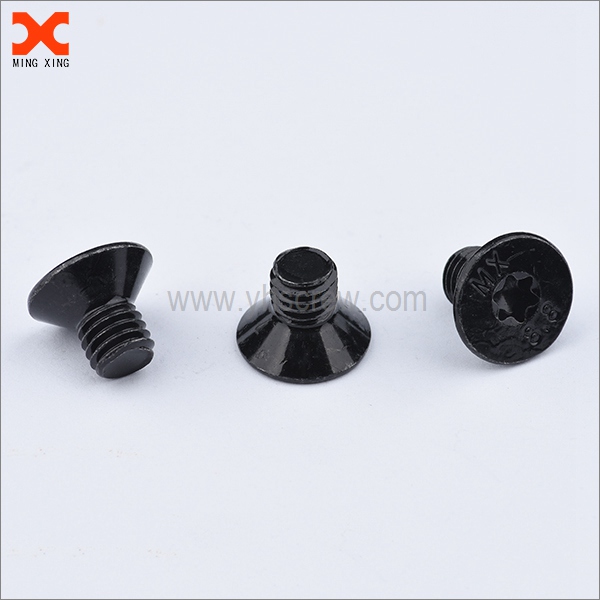
I’m a China-based Manufacturer and I know how important reliable tooling is for your precision work. Our cutting tail screw is engineered for steady cutting action, clean finishes, and long service life in demanding production environments. I source high-grade alloy steels, heat-treated for hardness, with a precise tail thread that fits common machines. The cutting head is resistant to wear and designed for quick replacement, minimizing downtime. I offer customizable options: thread pitch, head shape, coating, and packaging to fit your line. For buyers in China and worldwide, we provide fast lead times, consistent quality, and scalable MOQs. We back our claim with tight tolerances and our QC checks before shipping. If you’re looking to reduce tool changeover time and improve throughput, this cutting tail screw is a smart addition. Contact me for samples, pricing, and OEM packaging. I’m here to support your manufacturing success.

Hot Selling Product

cutting tail screw Application Products

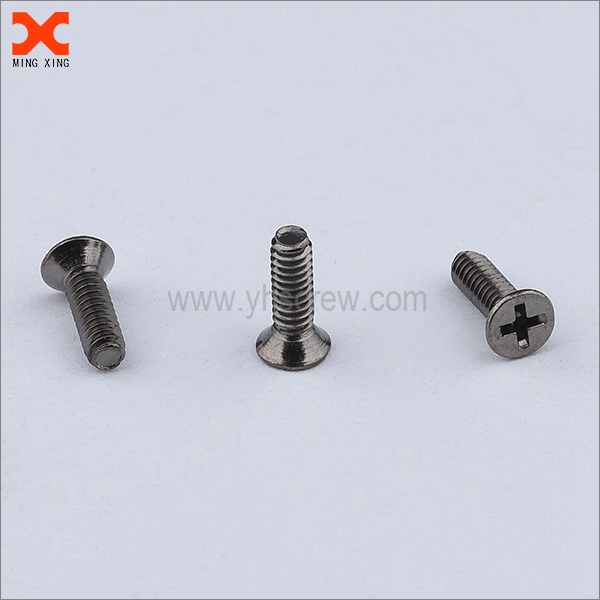
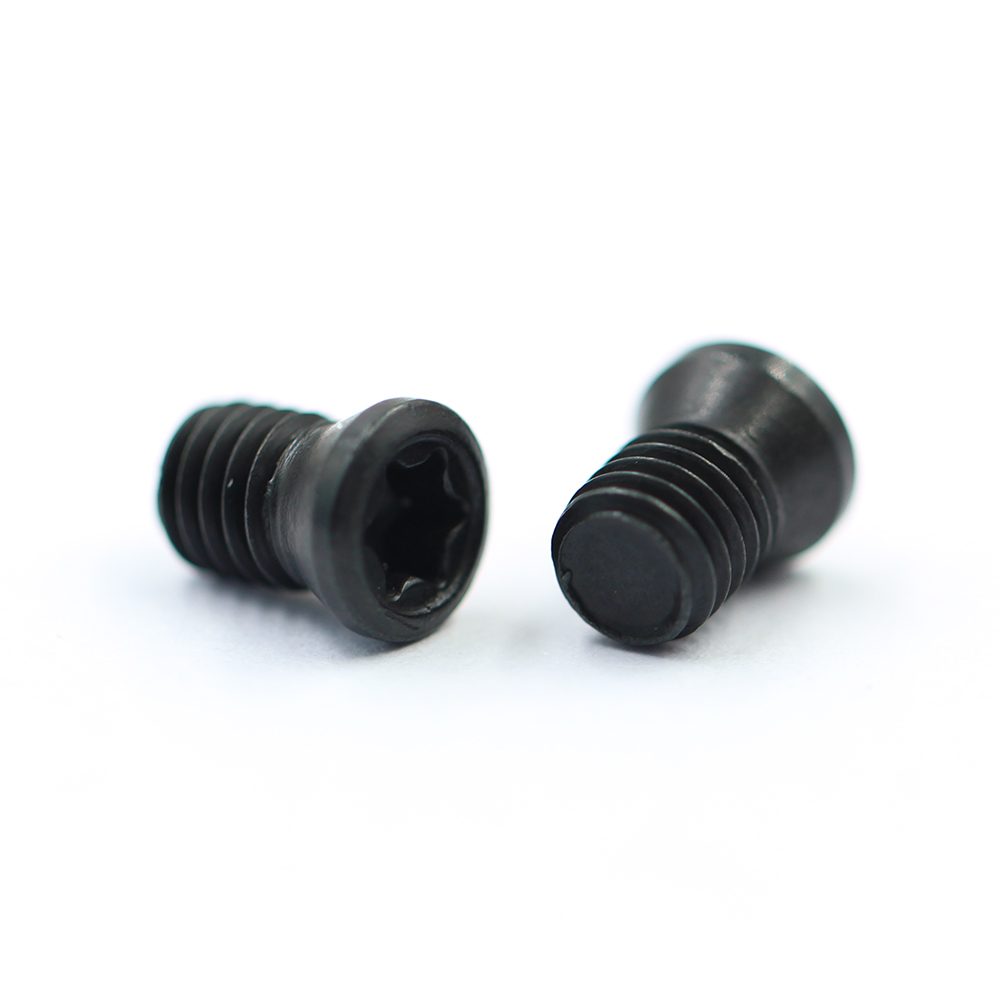
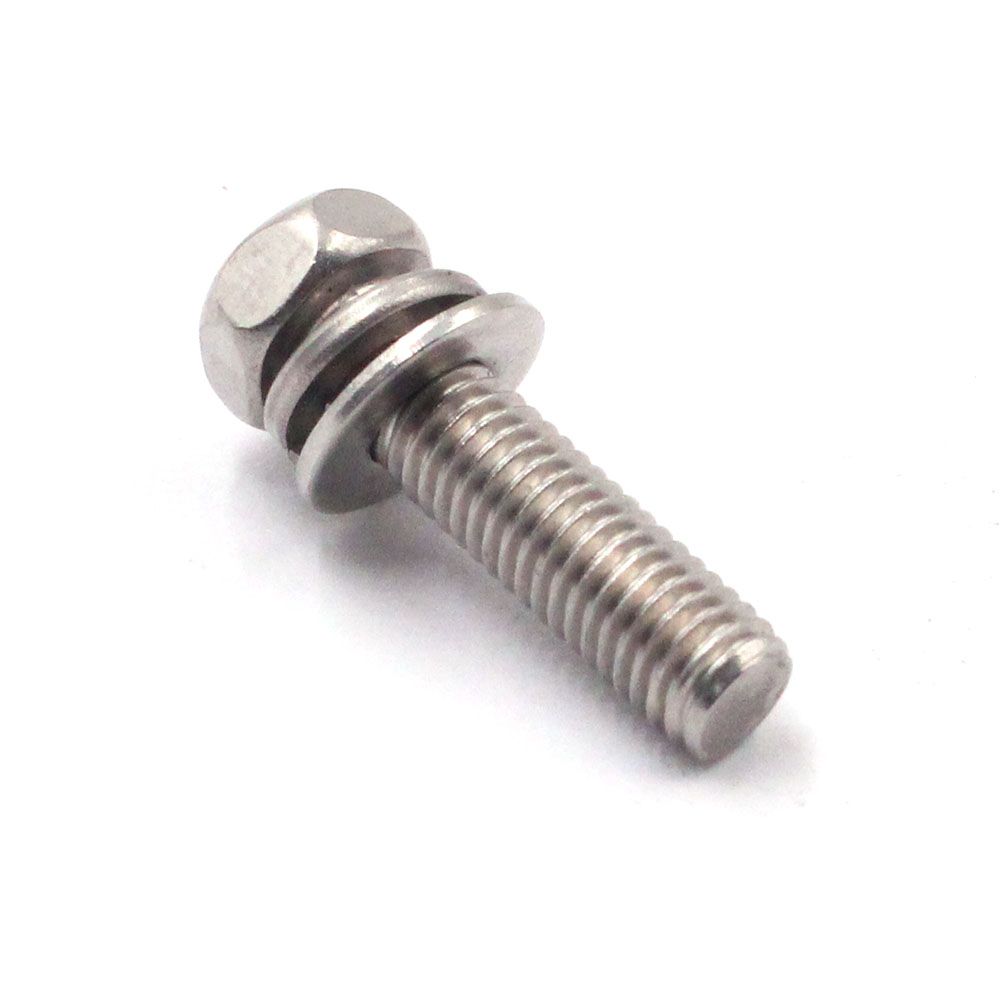
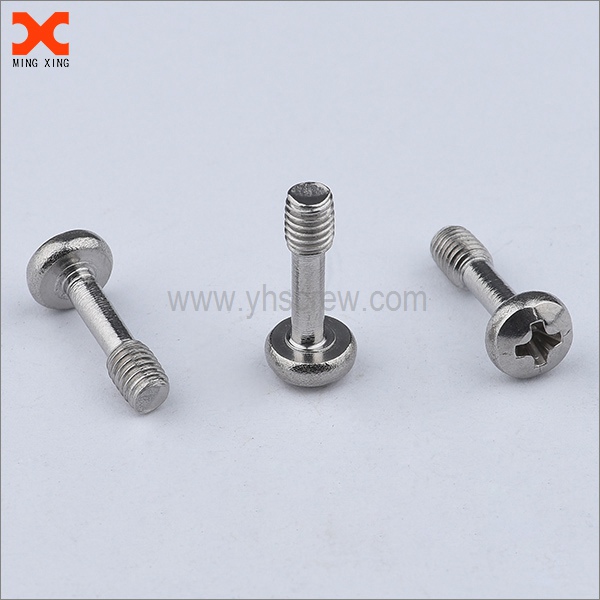
Cutting tail screw applications span consumer electronics housings, automotive interiors, and industrial control panels. The cut-off tail feature lets the tail be trimmed flush during final assembly, reducing snag risk and enabling smoother automation on high‑volume lines. For global buyers, this means cleaner surfaces, tighter tolerances, and faster line changeovers with less manual deburring. Choosing the right screws means matching material, finish, and geometry to the environment. Consider stainless steel for corrosion resistance, alloy steel for strength, and coatings like zinc or nickel. Select head type and drive for your tooling and torque, and specify length and pitch for reliable clamping. Ask for material certificates and RoHS/REACH, confirm lead times and capacity, and verify quality controls such as IQC and first article inspection to ensure consistent supply.

{ cutting tail screw Application Products }

Product Code Material Finish Head Type Thread Length (mm) Diameter (mm) Grade Standards Application Features
TCS-SS-001 Stainless Steel A2-70 Zinc Plated Pan Head M4 x 0.7 16 8.0 8.8 ISO 898-1, DIN 912 Electronics enclosure assembly Corrosion resistant; smooth finish
TCS-SS-002 Stainless Steel A4-316 Black Oxide Socket Head Cap Screw M5 x 0.8 25 9.5 10.9 ISO 4762, DIN 912 Machinery mounting High strength; corrosion resistant
TCS-AL-003 Aluminum Alloy 6061-T6 Anodized Blue Flat Head M6 x 1.0 18 6.5 6.8 ISO 898-1, DIN 7991 Appliance housing Countersunk; lightweight
TCS-SS-004 Stainless Steel A2-70 Nickel Plated Button Head M3 x 0.5 12 5.6 8.8 ISO 898-1, DIN 912 Electronics mounting Aesthetic finish; corrosion resistant
TCS-SS-005 Stainless Steel A2-70 Plain Pan Head M4 x 0.7 20 8.0 8.8 ISO 898-1, DIN 7985 Furniture assembly Smooth underside; general purpose
TCS-AL-006 Aluminum Alloy 6061-T6 Anodized Black Hex Socket Button Head M4 x 0.7 15 9.0 6.3 ISO 4762, DIN 912 Mechanical assembly Lightweight; high aesthetic
TCS-SS-007 Stainless Steel A2-70 Satin Socket Head Cap Screw M8 x 1.25 40 13.0 10.9 ISO 4762, DIN 912 Automotive assembly High strength
TCS-SS-008 Stainless Steel A4-316 Satin Chrome Countersunk Flat Head M5 x 0.8 20 7.0 8.8 ISO 898-1, DIN 7991 Enclosures Flush finish
TCS-AL-009 Aluminum Alloy 2024-T3 Anodized Silver Pan Head M6 x 1.0 30 11.0 6.5 ISO 898-1, DIN 934 Launch lighting fixtures Lightweight; good heat dissipation
TCS-SS-010 Stainless Steel A2-70 Electropolished Flat Head M3 x 0.5 12 5.8 8.8 ISO 898-1, DIN 7991 Home appliance assembly Aesthetic; corrosion resistant

Related Products

banner (3)

cutting tail screw Manufacturer Where Innovation Meets 2025

Yearly Tail Screw Manufacturing Efficiency Index

The chart presents a data dimension titled the Yearly Tail Screw Manufacturing Efficiency Index. This index is a composite metric designed to reflect how efficiently a production line transforms raw material into finished tail screws over time. The values are normalized on a 0-100 scale, where higher values indicate greater efficiency, lower waste, shorter cycle times, improved yield, and reduced energy consumption per unit produced. The data series from 2015 to 2025 shows a sustained upward trajectory, suggesting progressive gains in automation, process control, and workforce capability. In the early years, incremental improvements likely corresponded to standardization of operating procedures and small-scale automation. From 2019 onward, the sharper rise may reflect the adoption of more advanced predictive maintenance, real-time quality monitoring, and tighter integration with supply chain partners. The observed plateauing and subsequent acceleration align with typical manufacturing maturity curves, where initial gains from basic improvements give way to compounding effects from digitization and connected equipment. The horizontal grid lines and year markers help compare performance year over year, while the vertical grid lines emphasize consistent annual measurement. While this dataset is synthetic for demonstration, it mirrors common industry patterns: sustained investment in equipment reliability, data analytics, and operator training can yield durable efficiency gains. Analyzing this index alongside cost and throughput data can illuminate total cost of ownership and return on capital for future automation projects. For practitioners, the takeaway is that a steady, data-driven approach to process optimization tends to produce progressive gains, and the timing of investments often correlates with the magnitude of performance improvements observed in subsequent years.

Top Selling Products