banner (1)

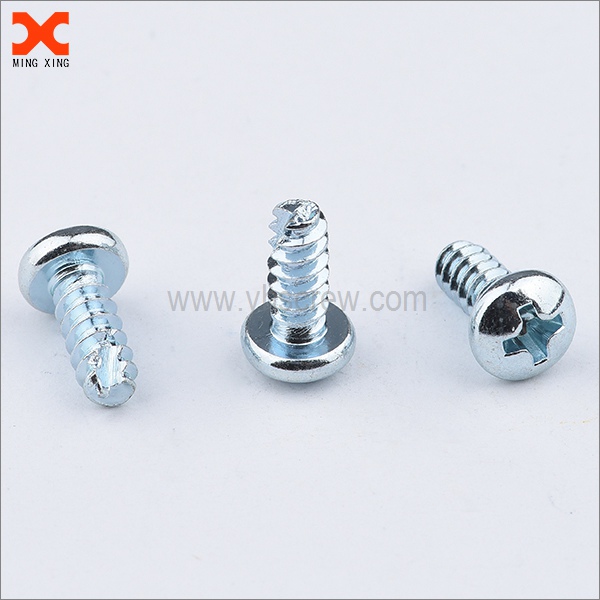
Custom Cross Recessed Flat Head Machine Screws for Factories

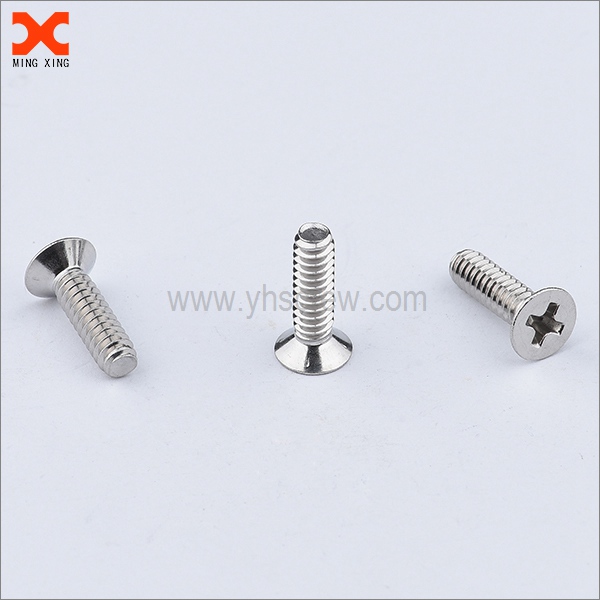
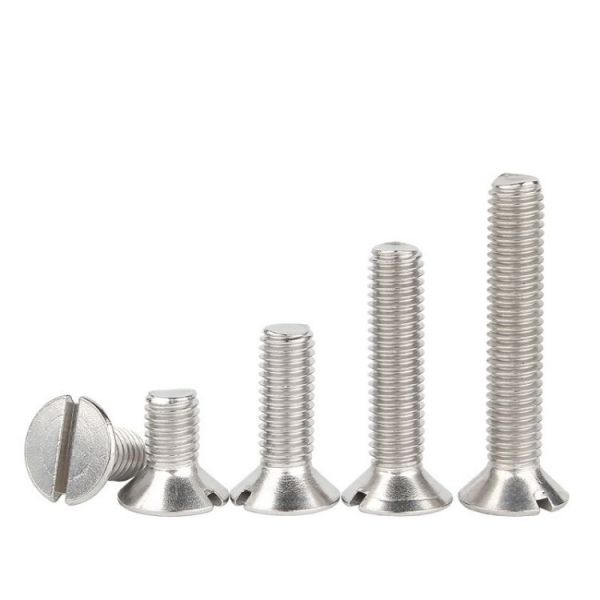
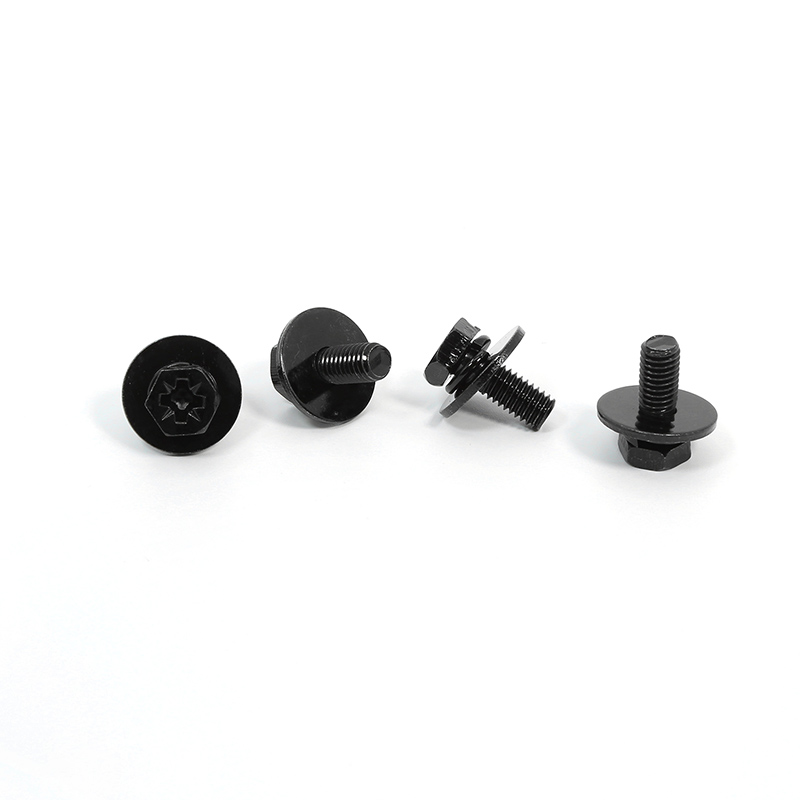
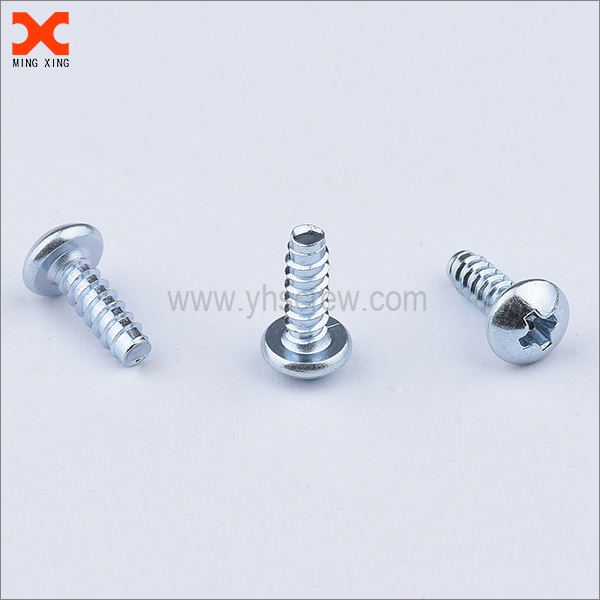
I’m here to support Factories and distributors with reliable Cross Recessed Flat Head Machine Screws. Our range is crafted from high-grade steel, finished for corrosion resistance, and available in multiple thread sizes and lengths to fit your exact assemblies. I offer Custom solutions to meet your equipment tolerances and production pace, from quick-turn prototypes to large-scale runs. The cross recessed drive reduces slip during automated tightening, while the flat head sits flush in countersunk panels for clean, durable joints. We adhere to strict quality controls and supply certs, so you can integrate them into your line without hassle. If you’re seeking dependable supply for mass manufacturing, we can size, pack, and ship to your factories on a just-in-time schedule. With flexible MOQ and competitive pricing, you’ll find that Cross Recessed Flat Head Machine Screws are a smart choice for any industrial project.

Hot Selling Product

Cross Recessed Flat Head Machine Screws Supplier Sets the Industry Standard

Global buyers seeking dependable fastening solutions know that cross recessed flat head machine screws combine secure seating with clean ergonomics. A supplier setting the industry standard delivers precision-driven performance: tight tolerances, durable finishes, and reliable compatibility across electronics, automotive, and machinery assemblies. From low-profile electronics to rugged industrial equipment, these screws ensure consistent drive engagement and balanced grip under vibration. With end-to-end manufacturing and rigorous quality controls, this provider offers material options (carbon steel, stainless steel), surface treatments (zinc, black oxide, passivation), and multiple coatings to resist corrosion. Capable of high-volume production and scalable lead times, they deliver traceable batches, RoHS and other compliance, and support customization, sampling, and design advice to meet global standards and deadlines.

Cross Recessed Flat Head Machine Screws Supplier Sets the Industry Standard

Size (mm) Material Finish Length (mm) Tensile Strength (MPa) Yield Strength (MPa) Drive Type Standard Compliance Max Torque (N·m) Notes
M3×0.5 Stainless Steel A2 (304) Passivated 6 505 205 PH0 DIN 7985 0.25 General electronics assembly
M4×0.7 Stainless Steel A2 (304) Passivated 8 520 205 PH1 DIN 7985 0.90 Precision instrumentation hardware
M5×0.8 Stainless Steel A2 (304) Passivated 10 520 205 PH2 DIN 7985 2.10 Automotive interior trim
M6×1.0 Carbon Steel Zinc Plated 12 700 400 PH2 DIN 7985 3.80 General mechanical assembly
M6×1.0 Carbon Steel Black Oxide 16 800 480 PH2 DIN 7985 4.50 Heavy-duty fastening
M8×1.25 Stainless Steel 316 Passivated 18 700 300 PH2 DIN 7985 8.50 Marine equipment
M8×1.25 Stainless Steel 316 Passivated 25 700 300 PH3 DIN 7985 10.20 Electronics enclosure
M10×1.5 Alloy Steel Zinc Plated 25 900 700 PH3 DIN 7985 22.0 Structural hardware

Related Products

banner (2)

Cross Recessed Flat Head Machine Screws Industry Giant Your Trusted OEM Partner

Data Dimension: Time-Series of Production Volume and Average Price for Fastening Components

Explanation

This data visualization presents a time-series analysis of cross recessed flat head machine screws' production volume and average selling price across 24 consecutive months from January 2022 to December 2023. The chart is designed to help manufacturing leaders, procurement teams, and OEM partners understand how output scale and unit price move in relation to market demand, capacity expansion, and input-cost cycles. The production volume, shown on the left axis in thousands of pieces, captures the rhythm of production planning, seasonality, and ramp-up activities as manufacturing capacity grows. The price trajectory, mapped to the right axis in USD per unit, reflects market pressures such as raw-material volatility, supplier competition, and channel mix. By combining these two series in a single visualization, stakeholders can detect divergence or convergence between supply and pricing, which informs decisions on capacity investment, inventory levels, and pricing strategies. From the synthetic data, several insights emerge. Early 2022 exhibits modest volatility with a general upward trend in volume, while prices stay relatively stable around a base level as competition remains intense. Moving into 2023, volume accelerates significantly, suggesting stronger demand or successful capacity expansion, and price shows a gradual uptick as input costs rise and market willingness to pay increases. The chart also highlights periods where volume growth outpaces price gains, potentially indicating competitive pricing or improved manufacturing efficiency. Conversely, simultaneous increases in both volume and price may signal favorable demand conditions and cost pressures being passed through to customers. Methodologically, the data are fabricated for demonstration but follow a coherent narrative: monthly observations, consistent units, and two synchronized time scales. Users should replace with actual ERP or procurement data for precise strategic planning. Limitations include the absence of external factors such as freight costs, exchange-rate effects, or competitive actions, which could be added in future iterations to enrich interpretation.

Top Selling Products