banner (1)

Corrosion Resistant Shoulder Screws - Custom Solutions for Factories

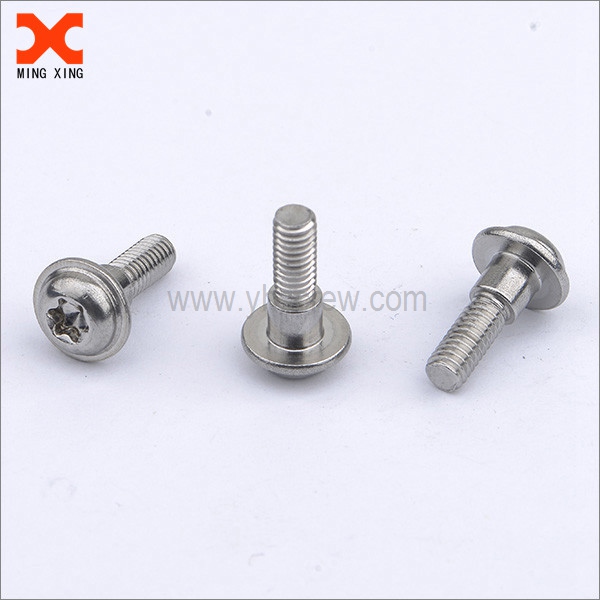
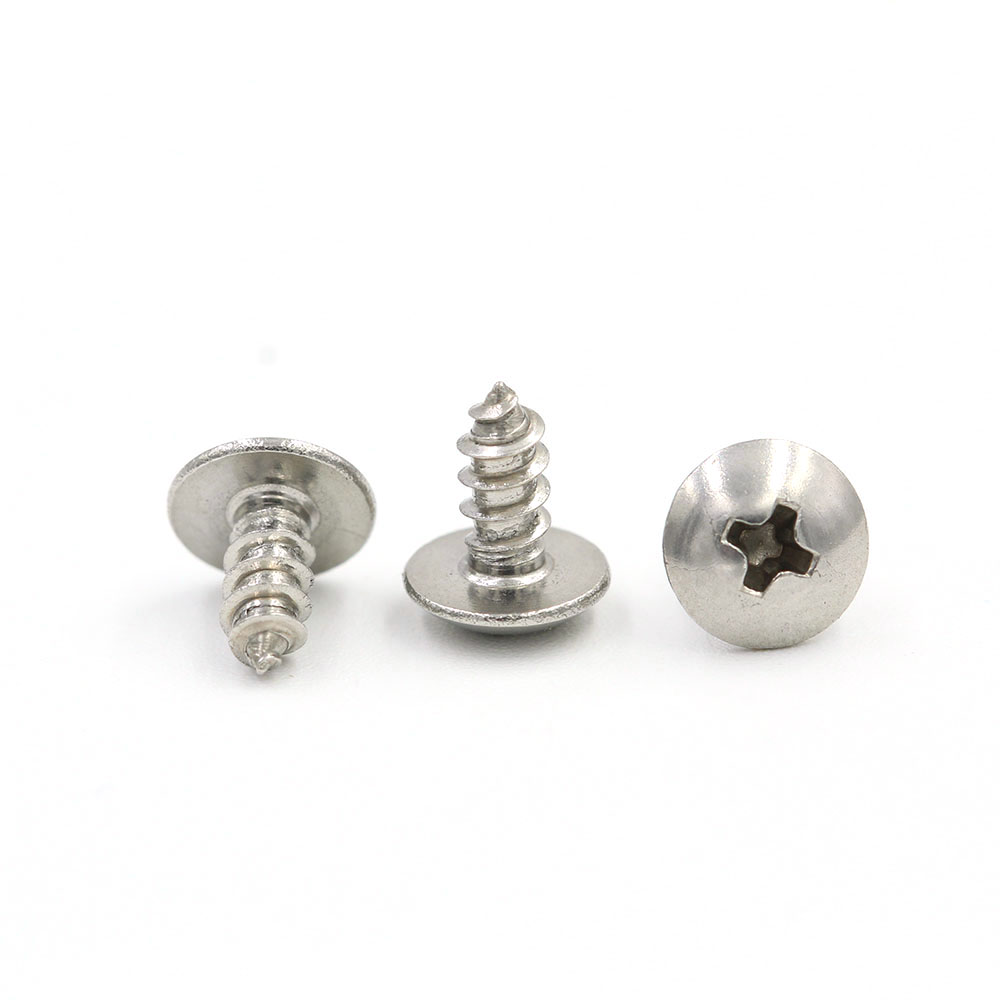
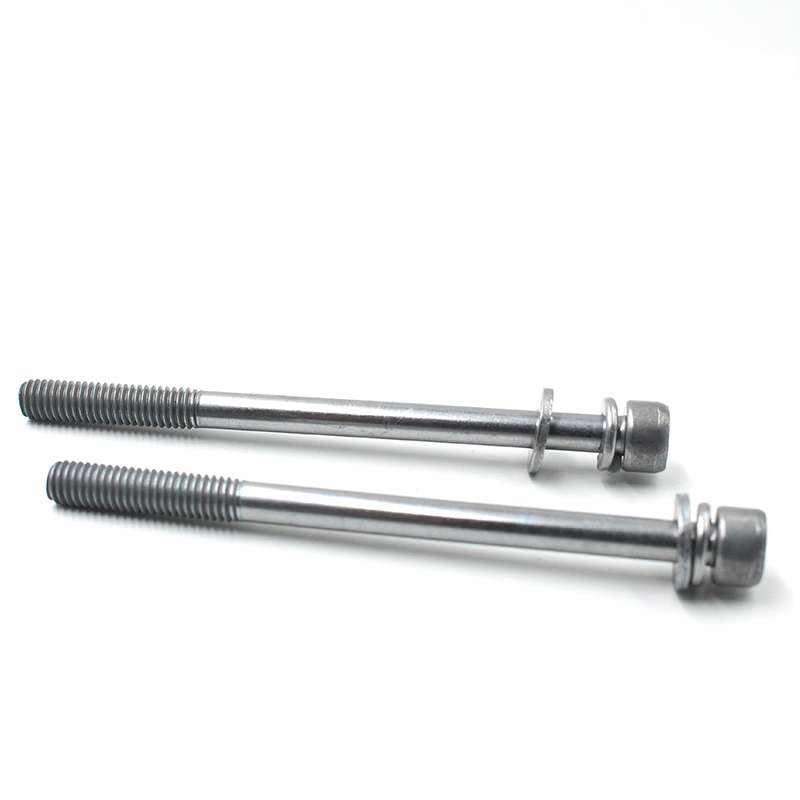
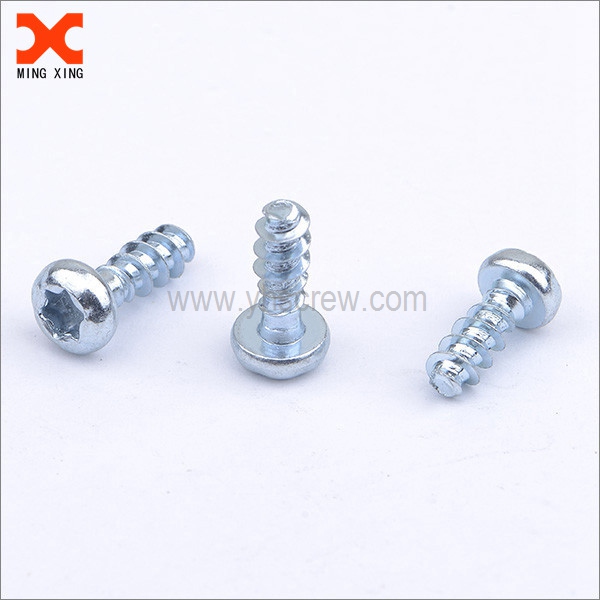
As a hands-on supplier, I offer Corrosion resistant shoulder screws built for tough production lines. These fasteners combine a hard wearing alloy with precise shoulder diameter to resist galling and pitch creep in corrosive atmospheres. When your lines run 24/7, reliability matters, and our screws deliver consistent tolerance and smooth installation. I can provide Custom options—finishes, coatings, thread sizes, and shoulder lengths—to fit your machinery and assembly jigs. For Factories seeking scalable supply, I offer bulk packaging, on-time delivery, and QA docs to meet industry standards. My team tests each batch in salt spray and humidity chambers to verify corrosion resistance and load performance. Choosing these screws means fewer maintenance stops, less replacement expense, and faster assembly. If you want a partner who understands your need for quality, compatibility, and lead-time, I’m ready to discuss your drawings and deliver a tailored solution.

Hot Selling Product

Corrosion resistant shoulder screws Industry Leaders Pioneers in the Field

Corrosion resistant shoulder screws are essential for precise alignment and durable assembly in machines exposed to harsh environments. Materials such as stainless steel variants with high chrome-nickel content and corrosion-resistant coatings help maintain stable dimensions under vibration and heat. Global buyers can choose standard configurations or customize shoulder diameter, thread size, length, head type, and finishes to fit their equipment. In electronics, automotive, and outdoor gear, selecting the right finish—passivation, electropolish, or protective plating—can dramatically extend service life. Industry leaders emphasize quality, traceability, and compliance with international standards. Modern manufacturing combines controlled heat treatment, surface finishing, and rigorous inspection to meet tight tolerances and corrosion tests. Suppliers offering reliable lead times, scalable production, and documentation for RoHS/REACH enable global procurement teams to design lean supply chains with confidence. By partnering with pioneers who invest in material science and sustainable practices, buyers secure components that endure demanding applications worldwide.

{ Corrosion resistant shoulder screws Industry Leaders Pioneers in the Field }
Material Grade/Alloy Surface Treatment Head Style Thread Size Shoulder Diameter (mm) Shoulder Length (mm) Overall Length (mm) Corrosion Resistance (1-4) Operating Temperature (°C)
Stainless Steel AISI 304 Clear Passivation Hex Shoulder Bolt M4-0.7 6.0 12.0 24.0 3 -60 to 200
Stainless Steel AISI 316 Passivation Hex M5-0.8 8.0 16.0 34.0 4 -80 to 250
Alloy Steel Grade 8 Zinc Plated Zinc Plated Hex M6-1.0 9.5 18.0 40.0 2 -40 to 160
Stainless Steel AISI 410 Passivation Hex M4-0.7 5.5 10.0 22.0 2 -60 to 180
Titanium Alloy Ti-6Al-4V Anodized Button Head M3-0.5 4.0 9.0 18.0 4 -200 to 400

Related Products

banner (2)

Corrosion resistant shoulder screws Supplier Dominates

Data Dimension: Corrosion Resistance Trend by Coating Thickness Over Time

Explanation: This study visualizes how corrosion resistance, measured as an index from 0 to 100, evolves over a 12-month period for samples with different coating thicknesses applied to a corrosion-resistant shoulder screw baseline alloy. The dimension under analysis is coating thickness (25, 50, and 75 micrometers) and time progression, represented by monthly measurements. The chart uses four lines to compare a Baseline Alloy against three coating levels, providing a clear view of how protective layers influence durability in a corrosive environment. The synthetic data illustrate a consistent improvement in corrosion resistance with thicker coatings, while also suggesting diminishing returns beyond a certain thickness. In months 1 through 4, values rise gradually for all variants due to initial surface stabilization and environmental conditioning. From month 5 onward, coated samples display larger gains relative to the baseline, with the 75 µm coating maintaining the highest index throughout the year. The increasing separation between lines over time reflects the accumulating barrier effect of the coatings, which slows the diffusion of aggressive species such as chlorides and water toward the substrate. The baseline alloy remains the least resistant, highlighting the protective value of even moderate coatings. The scale spans 0 to 110 to allow visual comparison and to accommodate any occasional spikes in the synthetic data. In practice, real data would incorporate measurement uncertainty, batch-to-batch variation, temperature and humidity controls, and surface finish effects. The visualization supports data-driven decision-making for material selection, coating specification, and quality control planning. Procurement and product engineering teams can use such charts to estimate expected service life under target corrosive conditions, compare trade-offs between coating thickness and cost, and communicate performance expectations to stakeholders. The approach can be extended to additional coatings, substrate materials, or environmental tests to optimize corrosion resistance across fastener components.

Top Selling Products