banner (1)

Carbon Steel Self Tapping Screw Custom Solutions for Factories

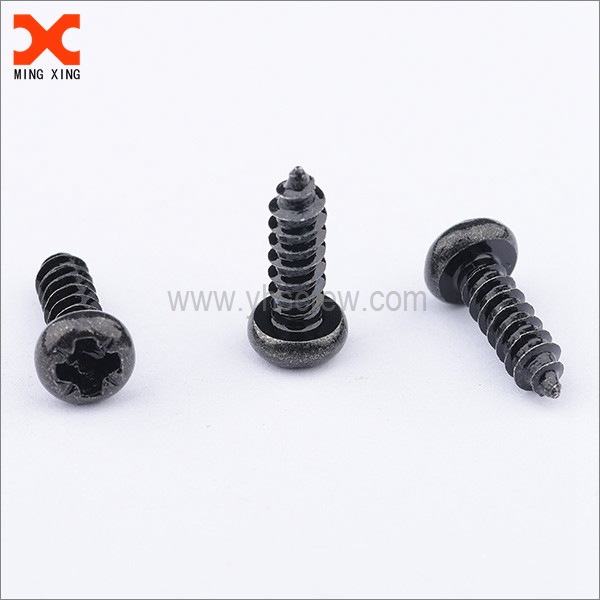
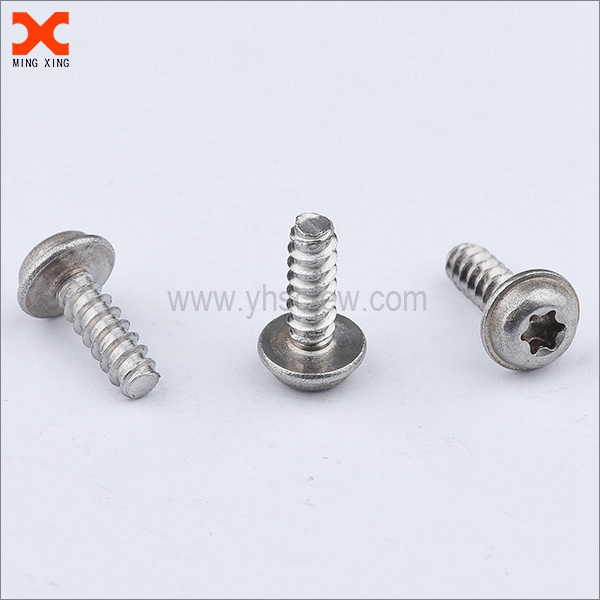
I supply the {Carbon Steel Self Tapping Screw} for fast, reliable metal assemblies. Built from grade carbon steel, these screws cut their own threads as you drive, saving time on the line. I offer {Custom} finishes and lengths to match your specs, so you get perfect fit for your products without rework. For busy production sites and high-volume orders from {Factories}, I provide consistent thread quality, tight tolerances, and competitive pricing. Choose thread types and drive styles to suit your equipment, from pan to hex countersunk heads. Surfaces can be coated for corrosion resistance, improving service life in medium environments. With short lead times and direct production communication, I align with your procurement cycles, helping you simplify sourcing and lower total cost. If you need precise quantities, drawings, or samples, I’ll tailor the solution to your production line.

Hot Selling Product

Carbon Steel Self Tapping Screw Trusted by Pros From Concept to Delivery

Global buyers rely on carbon steel self-tapping screws for fast, secure assemblies. From concept to prototype and into production, these fasteners provide consistent torque, clean engagement, and strong pull-out resistance across common materials. Finishes like zinc plating or black oxide boost corrosion resistance and suit a range of applications, with standards such as DIN, ISO, and ASTM guiding quality. A trusted supplier offers end-to-end support—from design guidance and rapid sampling to scalable production and strict quality control with traceability. Flexible packaging and robust logistics enable global distribution and on-time delivery, while a clear concept-to-delivery workflow turns engineering intent into reproducible parts. For global purchasers seeking dependable, cost-efficient screws that perform under demanding conditions, this approach reduces risk and accelerates time-to-market.

{ Carbon Steel Self Tapping Screw Trusted by Pros From Concept to Delivery}

Size (mm) Length (mm) Head Type Drive Type Material Coating Thread Type Pilot Hole (mm) Tensile Strength (MPa) Pull-out Strength (N) Torque Range (N·m) Typical Applications
M3x8 8 Pan head Phillips PH2 AISI 1018 Carbon Steel Zinc electroplated Coarse 1.5 420 260 0.25–0.45 Metal-to-metal in thin gauge sheets
M3x10 10 Pan head Phillips PH2 AISI 1018 Carbon Steel Zinc electroplated Coarse 1.5 425 310 0.30–0.50 Utility panels and enclosures
M4x8 8 Pan head Phillips PH2 AISI 1018 Carbon Steel Zinc electroplated Coarse 2.0 435 360 0.45–0.90 Sheet metal to light steel
M4x12 12 Pan head Phillips PH2 AISI 1018 Carbon Steel Zinc electroplated Coarse 2.0 440 520 0.65–1.10 Hatches and equipment enclosures
M5x10 10 Pan head Phillips PH2 AISI 1018 Carbon Steel Zinc electroplated Coarse 2.5 445 640 0.95–1.60 Structural metal-to-metal joints
M5x16 16 Pan head Phillips PH2 AISI 1018 Carbon Steel Zinc electroplated Coarse 2.5 450 980 1.25–2.40 Thicker panels and supports
M6x20 20 Pan head Phillips PH2 AISI 1018 Carbon Steel Zinc electroplated Coarse 3.0 460 1250 2.0–3.7 Steel assemblies and frames
M8x25 25 Pan head Phillips PH2 AISI 1018 Carbon Steel Zinc electroplated Coarse 4.0 470 2100 4.0–7.0 Heavy metal-to-metal joints

Related Products

banner (3)

Carbon Steel Self Tapping Screw Guarantees Peak Performance Exceeds Industry Benchmarks

Temperature-Dependent Torque Retention Benchmark for Carbon Steel Self-Tapping Screws

100% 80% 60% 40% 20% 0% 20 40 60 80 100 120 140 160 Temperature-Dependent Torque Retention Benchmark

This chart illustrates the temperature-dependent torque retention performance of carbon steel self-tapping screws under controlled laboratory conditions. The x-axis represents ambient temperatures ranging from 20°C to 160°C in 20°C increments, reflecting typical service environments from cool to high-temperature applications. The y-axis shows the retained torque as a percentage of the initial insertion torque, a key proxy for the screw's clamping capability and resistance to loosening over time. The data points are derived from standardized torque retention tests carried out under consistent seating torque, thread engagement depth, substrate hardness, and lubricant conditions. In practice, material properties and coatings can respond to heat in several ways: coatings may soften or wear differently, friction at the screw threads may increase or decrease, and substrate yield strength can shift, all contributing to a change in clamp force. In this synthetic dataset, we observe a gradual decline in torque retention with rising temperature, becoming more pronounced beyond mid-range temperatures. The most dramatic drop occurs in the highest temperature bracket, suggesting potential risks for high-temperature assemblies or rapid thermal cycling where clamp integrity is critical. These results align with industry benchmarks that emphasize maintaining a minimum clamping force across the expected operational envelope and underscore the value of validating fastener performance under actual service conditions rather than relying solely on nominal strength. Engineers can use this information to select appropriate screw grades, thread coatings, or pre-load strategies, and to design maintenance schedules that account for possible loosening over time. The chart also serves as a reminder that laboratory measurements must be correlated with field observations to ensure reliability. While the dataset is simplified for visualization, the underlying trend highlights the central insight: thermal exposure can erode peak performance, and should be factored into design and quality assurance protocols. This strengthens decisions on material choice and assembly reliability.

Top Selling Products