banner (1)

Captive Thumb Screws - Wholesale from Trusted Manufacturers

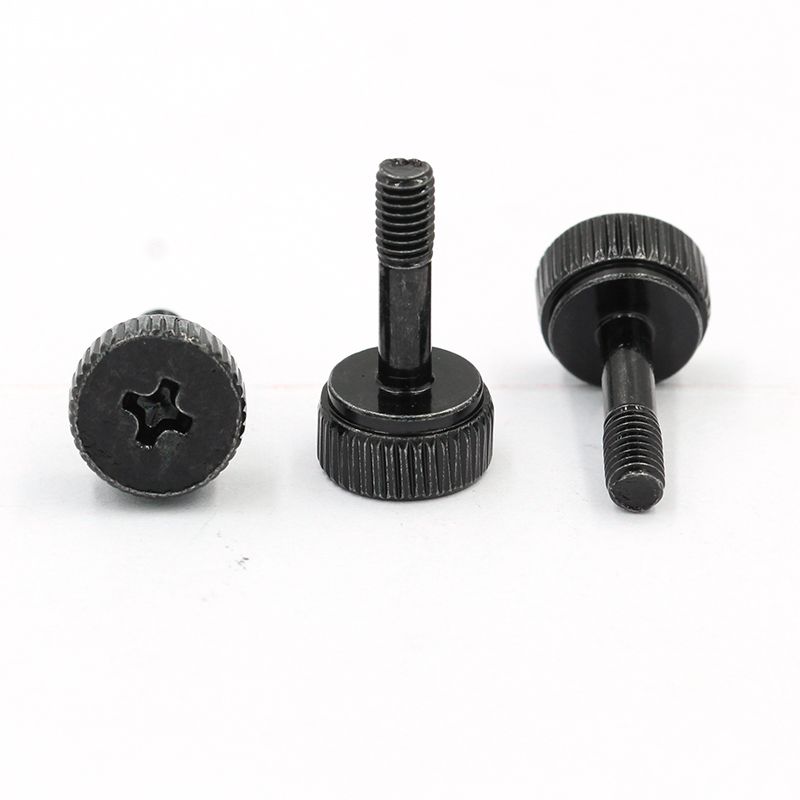
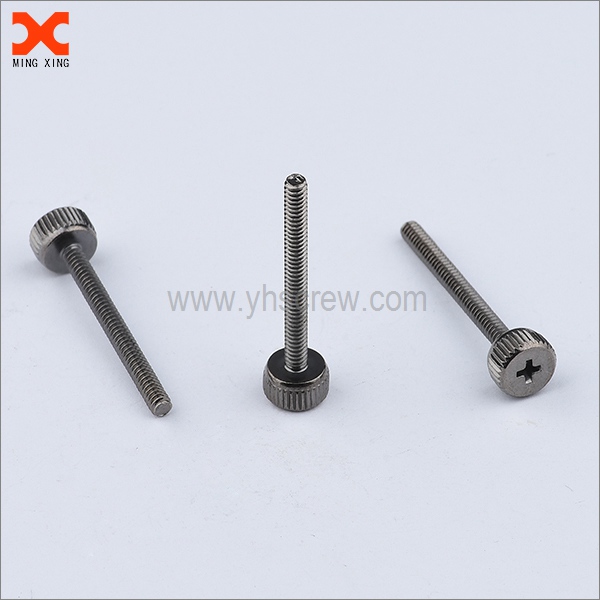
I help procurement teams streamline sourcing with Captive Thumb Screws that stay secure during vibration and fast cycles. If you’re in Wholesale or part of Manufacturers who demand consistent performance, you’ll value our durable stainless steel or zinc plated options, precise threads, and captive design that keeps screws attached to panels, jigs, and fixtures. I offer standard sizes and custom lengths, so you can scale production without expensive retooling. Our strict QC ensures uniform grip and dependable seating, cutting downtime and lost fasteners. I can ship to your warehouse with competitive pricing, bulk discounts, and flexible terms. For multi-line projects, these screws save time on assembly and maintenance while meeting common OEM specs. Let me know your required quantity and lead time, and I’ll tailor a quote or samples.

Hot Selling Product

Captive Thumb Screws Sets the Industry Standard More Than a Supplier - A Partner

Captive thumb screws are more than fasteners; they enable efficient, reliable assembly across industries. The captive design keeps the screw attached to the panel, preventing loss during vibration, maintenance, or field service. For global procurement teams, this means reduced downtime, simpler inventories, and consistent clamping from electronics to equipment frames. Setting the standard requires material excellence and tight process control. High-quality captive screws use corrosion-resistant alloys, precise threads, and durable finishes, with rigorous inspection and traceability. Compliance with RoHS/REACH and other standards ensures compatibility across environments and long-term performance. Beyond supply, a true partner aligns with global sourcing: demand forecasting, regional stocking, and reliable on-time delivery. Custom options—lengths, threads, coatings—plus transparent documentation and proactive risk management translate into smoother projects, lower total cost, and confidence for international teams.

{ Captive Thumb Screws Sets the Industry Standard More Than a Supplier - A Partner}
Part Number Thread Size Length (mm) Head Style Drive Type Material Finish Captive Ring Ø (mm) Applications Tensile Strength (MPa)
CTS-6-32-1/4 6-32 UNC 6.35 Button Head Hex Socket A2-70 Stainless Bright Zinc Plated 3.0 Electronics enclosures, instrumentation 520
CTS-8-32-3/8 8-32 UNC 9.53 Cap Head Slot A2-70 Stainless Passivated 3.8 Industrial control panels 520
CTS-10-24-1/2 10-24 UNC 12.70 Knurled Thumb Hex Socket A2-70 Stainless Satin 4.5 Laboratory equipment 540
CTS-6-40-7/16 6-40 UNC 11.11 Round Head Slot A2-70 Stainless Bright Zinc Plated 3.6 Enclosures 520
CTS-1/4-20-3/8 1/4-20 UNC 9.53 Flat Head Hex Socket A2-70 Stainless Black Oxide 5.0 Automotive fixtures 690
CTS-M4-0.7-6 M4 x 0.7 6.00 Button Head Hex Socket 304 Stainless Bright 3.0 Electronic chassis 520
CTS-M6-1.0-8 M6 x 1.0 8.00 Knurled Hex Socket 316 Stainless Passivated 4.0 Industrial fixtures 700

Related Products

banner (4)

Captive Thumb Screws Trusted by Pros Your End-to-End Solution

Data Dimension: Production Line Throughput Across Time

New Data Title: Operational Metrics Dashboard for Fastener Manufacturing

Explanation: This chart presents monthly throughput across three production lines in a generic fastener manufacturing context. Each line shows a rising trend over the year with seasonal fluctuations. Line A starts at 320 units in January and climbs to 480 units in December, demonstrating a consistent capacity expansion and efficient material planning. Line B follows a similar trajectory but at a lower baseline, increasing from 280 to 430 units, indicating improved utilization with more modest gains. Line C starts at 150 units and rises gradually to 240 units, reflecting a smaller line with longer setup times or more frequent changeovers. The chart reveals several key patterns: overall throughput grows through the year, suggesting effective process improvements or demand-driven production scheduling; the widening gap between Line A and Line C highlights scalability challenges for smaller lines and potential bottlenecks in changeover processes; the alignment of Line B and Line A improvements around mid-year may correspond to a maintenance cycle or adjustments in supplier deliveries. To optimize performance, operations teams could correlate these throughput trends with auxiliary metrics such as uptime, changeover duration, and defect rate. For instance, if uptime increased alongside throughput, it would validate the value of preventive maintenance. Conversely, if defect rates rose during peak months, it would signal quality-control strain requiring targeted interventions. The dashboard format supports quick comparisons across lines and time, enabling managers to identify best-performing configurations and to allocate resources accordingly. In practice, this data would be integrated with real-time sensor feeds and production scheduling systems to support evidence-based decision making. The intended insights from this visualization are to guide continuous improvement initiatives: invest in the most scalable line, streamline changeovers on smaller lines, and synchronize maintenance with production peaks to preserve throughput gains while maintaining quality and reliability. This representation can inform capacity planning, workforce deployment, and supplier coordination for sustained operational excellence.

Top Selling Products