banner (1)

Captive Thumb Screw with Retainer - Wholesale Manufacturers

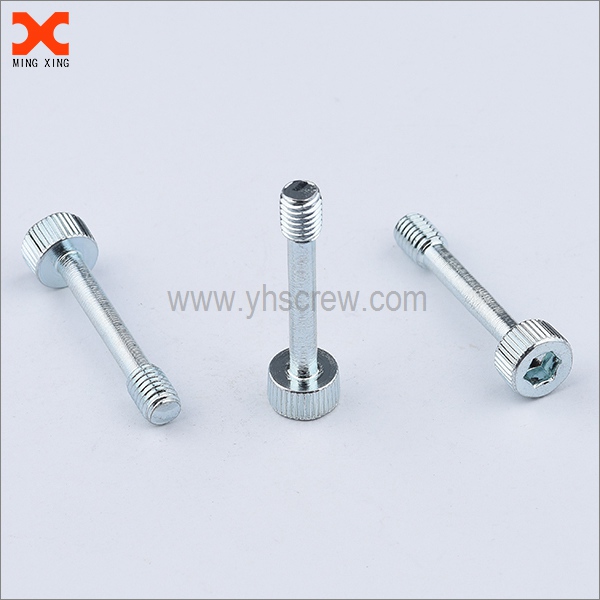
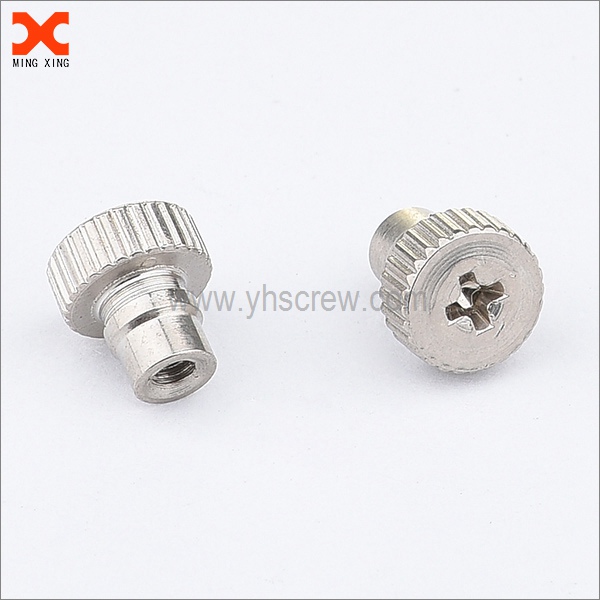
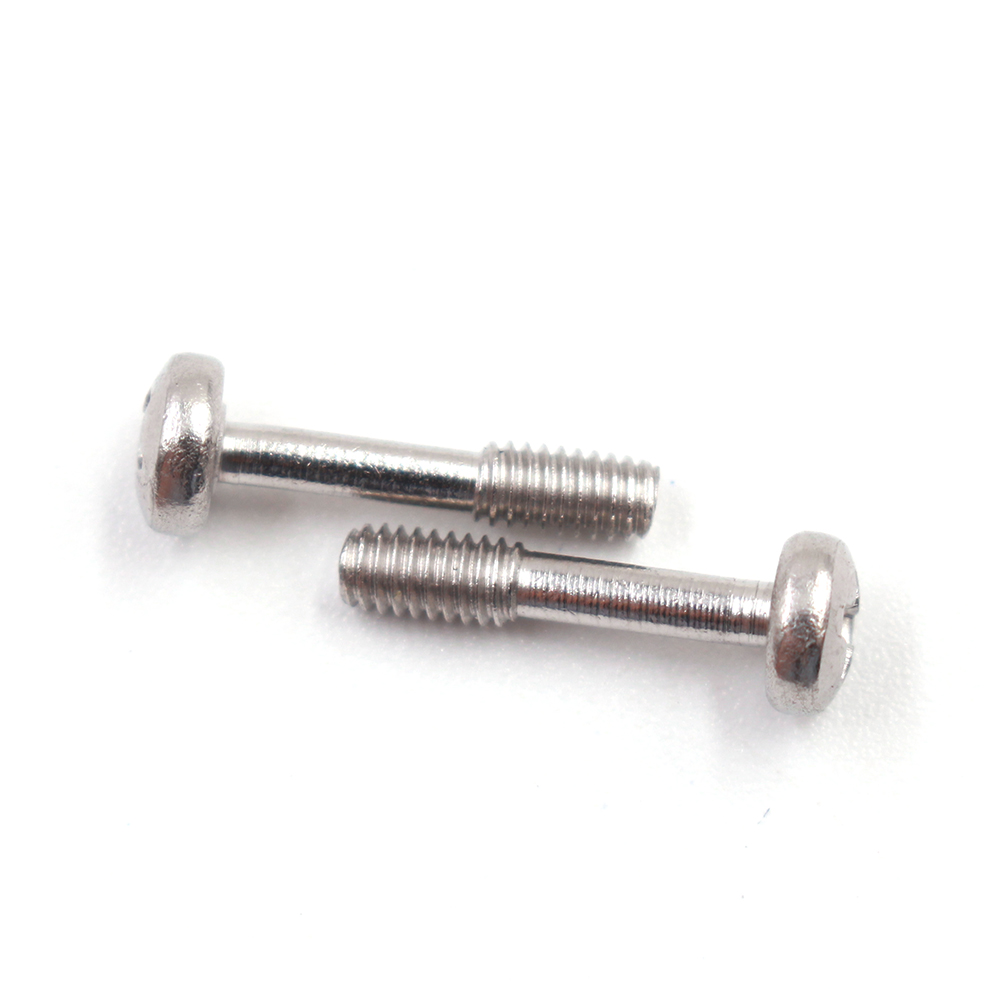
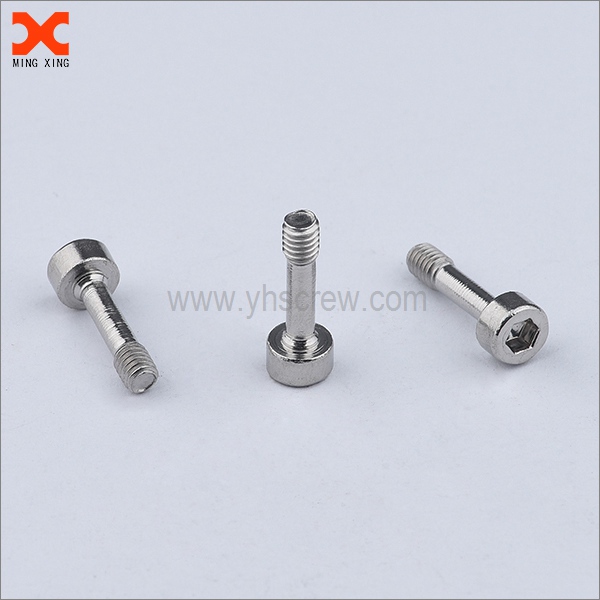
From my catalog to your production line, I offer a dependable captive thumb screw with retainer that keeps fasteners onboard even in tight spaces. For Wholesale and Manufacturers, this part delivers secure clamping with easy finger-turn control, no tools required. The captive design prevents lost screws during maintenance, while the retainer holds the screw in place on panels and fixtures. We offer stainless steel for corrosion resistance or zinc plated steel for cost efficiency, with thread sizes from M4 to 1/4-20, depending on your needs. Each batch can be packaged to your spec, with barcodes, kitting, or private labeling. Fast lead times, consistent quality, and scalable supply for large orders. If you need a reliable, easy-to-retain fastener that speeds setups and reduces downtime, this is the pick for Manufacturers who buy in bulk.

Hot Selling Product

captive thumb screw with retainer Now Trending Outperforms the Competition

Across global sourcing, the captive thumb screw with retainer is now trending as the preferred fastening solution for enclosures, panels, and machinery that demand secure one-hand operation. The retainer keeps the screw captive, preventing drops during assembly and service, while the thumb screw design delivers quick, tool-free tightening in tight spaces. In high-vibration environments, the retained screw remains in place, reducing downtime and lost components. Available in stainless steel, aluminum, and other alloys with various finishes, these fasteners optimize performance in electronics, automotive, and industrial equipment by combining reliability with fast cycle times. Global buyers should assess standard sizes, material options, and surface treatments to match their application. Look for RoHS and REACH compliance, traceable quality, and consistent tolerances. Consider lead times, minimum orders, and inventory strategies to reduce supply risk. The captive thumb screw with retainer can lower total cost of ownership by speeding assemblies, cutting maintenance labor, and decreasing field replacements, delivering a stronger uptime advantage over competing fasteners.

{ captive thumb screw with retainer Now Trending Outperforms the Competition}
Dimension Thread Size Length (mm) Pitch (mm) Material Head Style Retainer Type Finish Tensile Strength (MPa) Applications
M4 x 8 M4 8 0.70 Stainless Steel A2-70 Knurled flat head Integrated Clip Passivated 520 Light-duty electronics, panel assembly
M4 x 12 M4 12 0.70 Stainless Steel A2-70 Knurled flat head Retaining Ring Passivated 520 Instrument panels
M5 x 10 M5 10 0.80 Stainless Steel A4-70 Knurled flat head Integrated Clip Zinc plated 520 Automotive interior trim
M5 x 16 M5 16 0.80 Stainless Steel A4-70 Knurled flat head Spring Clip Black oxide 520 Heavy-duty assembly
M6 x 8 M6 8 1.00 Stainless Steel A2-70 Knurled Retaining Ring Passivated 530 General panel fixtures
M6 x 12 M6 12 1.00 Stainless Steel A4-70 Knurled Integrated Clip Zinc plated 550 Machinery guarding
M8 x 6 M8 6 1.25 Stainless Steel A4-70 Knurled Clip Passivated 540 Electrical enclosure

Related Products

banner (2)

captive thumb screw with retainer Now Trending Where Innovation Meets 2025

Data Dimension: Feature Adoption by Industry Segment

New Data Title: Adoption of Captive Thumb Screws with Retainers by Industry Segment

This chart tracks the adoption of captive thumb screws with retainers by industry segment, illustrating how different sectors value quick-access fastening in modular assemblies. The data dimension focuses on an adoption score out of 100, enabling cross-sector comparison while controlling for segment size. The scores reflect drivers such as manufacturing efficiency, maintenance downtime, and design flexibility. In this dataset, Consumer Electronics shows the highest adoption at 82, driven by rapid product cycles and the need for serviceability. Aerospace and Medical Devices demonstrate strong but more conservative scores (75 and 68 respectively) due to stringent standards and certification processes. Automotive, with a mid-range score around 60, indicates growing interest in lightweight, modular fasteners but also highlights competition from alternative retention methods. Industrial Machinery sits at 55, reflecting a tendency toward larger, fixed assemblies where retrofitting existing equipment is moderate in urgency. Together, the pattern suggests a trend toward standardizing quick-release components in sectors characterized by frequent field maintenance and modular design while more regulated sectors adopt more cautious, standards-driven approaches.

The 2025 perspective sees several implications: manufacturers increasingly favor features such as captive screws with retainers because they reduce assembly time and risk of lost fasteners. Material choices (stainless steel, aluminum alloys, or coated variants) influence corrosion resistance and seating integrity in harsh environments, which partly explains the spread across scores. The retainers also support automated assembly lines and reduce ergonomic variability for technicians. In design practice, engineers often balance strength and ease-of-use, selecting retention types that prevent accidental disengagement while enabling tool-less servicing. The graph’s cross-sectional comparison underscores the value of adopting a common fastening standard across product families to streamline sourcing and maintenance. This data invites deeper inquiry into sector-specific requirements, supplier ecosystems, and lifecycle costs, and suggests opportunities for further segmentation, such as by operating temperature, vibration exposure, and maintenance frequency, to refine product strategy for 2025 and beyond. Future data collection should also incorporate competitive alternatives and emerging fastener technologies, such as integrated servomount designs. The chart encourages stakeholder alignment around design-for-maintenance principles.

Top Selling Products