

Button Screw With Washer - Cheap Prices & Pricelist
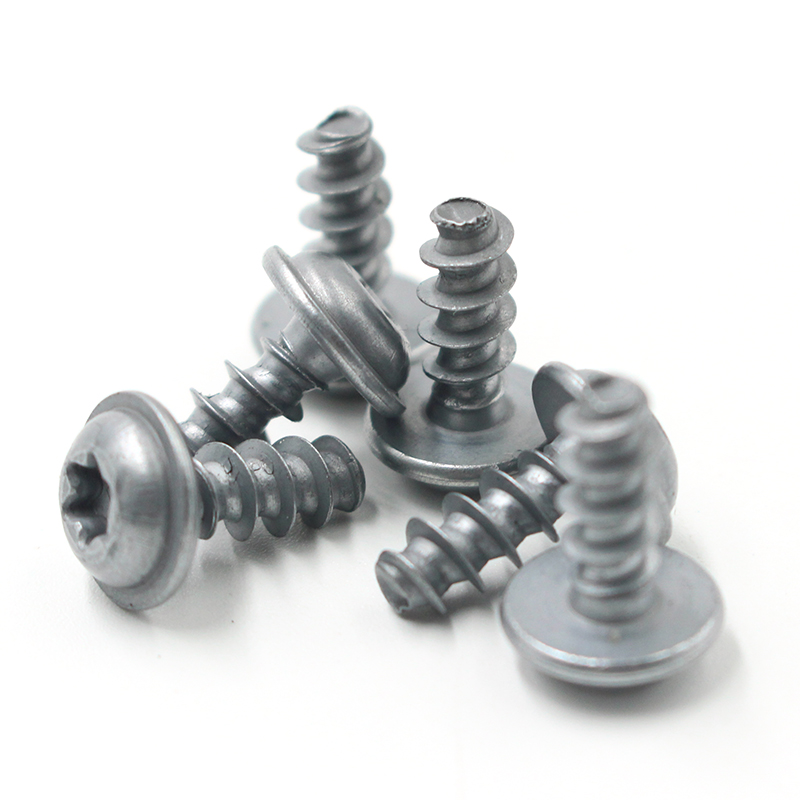
From my catalog, the Button Screw With Washer is built for reliable, heavy‑duty assembly. I stock stainless steel and zinc‑plated options, with a built‑in washer that spreads load and guards surfaces. The compact button head gives a neat finish and easy driving, while the washer prevents pull‑through on soft panels. Available in metric and inch sizes, I offer common ranges from M3 to M6 (or #4 to #10) with standard threads and adjustable lengths. You’ll get consistent performance across bulk orders, with ready packaging for factories and OEMs. For buyers chasing value, I can offer cheap price points without compromising quality, and my pricelist lays out bulk discounts, finishes, and packaging choices (bulk, trays, or cartons). If you’d like samples or a formal quotation, share your quantity, finish, and tolerance and I’ll tailor a proposal. I’m here to support your supply chain and keep lines running smooth.
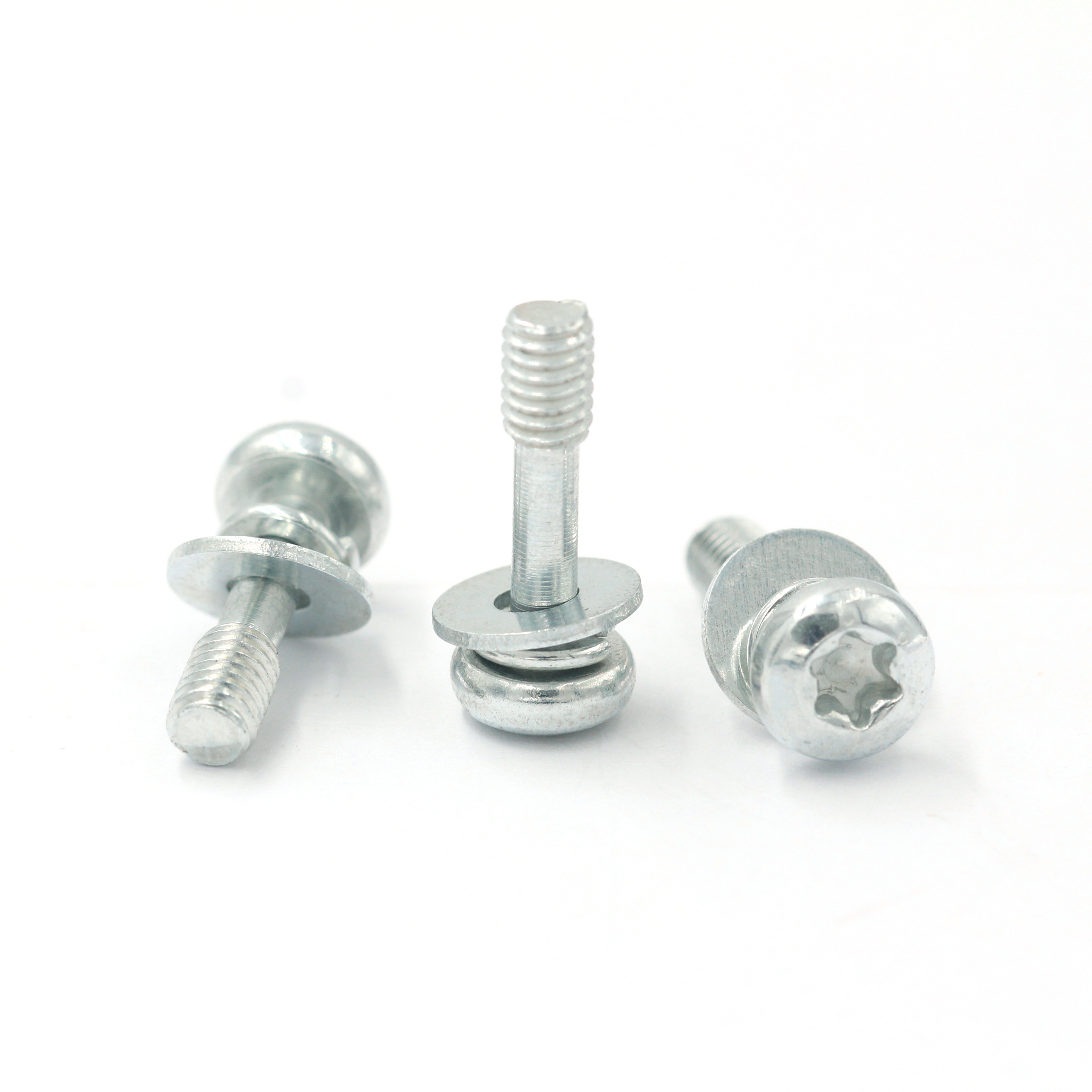


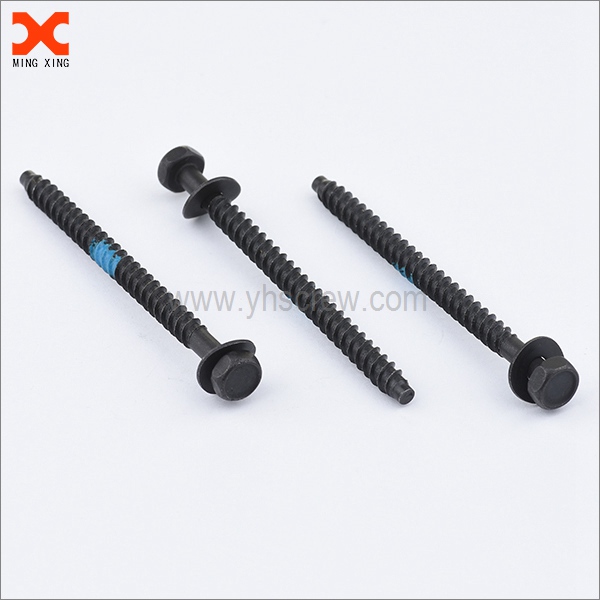


Button Screw With Washer Now Trending Sets the Industry Standard
Button screws with washers are becoming the benchmark for reliable fastening across electronics, automotive, furniture, and consumer appliances. The rounded button head paired with a precision washer distributes load evenly, resists pull-out, and minimizes surface damage during assembly. With durable coatings and solid thread forms, these fasteners perform under vibration and temperature shifts, making them ideal for automated lines and field repairs. Global buyers appreciate standardized dimensions and traceability, which simplify sourcing and ensure consistent performance across regions. To specify the right solution, choose material (stainless or alloy steel), finish (zinc, black oxide, or passivation), head size, and washer style (integrated or separate). Consider washer material compatibility with the substrate to prevent galling or embedding. Compare torque ratings, stiffness, and RoHS/REACH compliance where needed. For smooth procurement, request batch test data, mill certificates, lead times, and packaging that suits automated feeding. This trend sets a clear, measurable standard for fastener quality in global supply chains.
{ Button Screw With Washer Now Trending Sets the Industry Standard}
| Model | Diameter (mm) | Length (mm) | Thread Pitch (mm) | Head Type | Washer Included | Washer Diameter (mm) | Material | Finish | Tensile Strength (MPa) | Standard |
|---|---|---|---|---|---|---|---|---|---|---|
| BWS-M3x08 | 3 | 8 | 0.50 | Button | Yes | 5.5 | Stainless Steel 304 | Polished | 520 | DIN 7380 |
| BWS-M4x12 | 4 | 12 | 0.70 | Button | Yes | 6.5 | Stainless Steel 304 | Polished | 520 | DIN 7380 |
| BWS-M5x16 | 5 | 16 | 0.80 | Button | Yes | 7.0 | Stainless Steel 304 | Passivated | 650 | DIN 7380 |
| BWS-M5x20 | 5 | 20 | 0.80 | Button | No | N/A | Stainless Steel 316 | Polished | 580 | DIN 7380 |
| BWS-M3x10 | 3 | 10 | 0.50 | Button | Yes | 5.0 | Stainless Steel 316 | Passivated | 450 | DIN 7380 |
| BWS-M6x25 | 6 | 25 | 1.00 | Button | Yes | 8.0 | Alloy Steel 4140 | Black Oxide | 900 | DIN 7380 |
| BWS-M4x30 | 4 | 30 | 0.70 | Button | Yes | 6.5 | Stainless Steel 316 | Satin | 640 | DIN 7380 |
| BWS-M8x24 | 8 | 24 | 1.25 | Button | Yes | 10.0 | Stainless Steel 316 | Satin | 750 | DIN 7380 |
Related Products

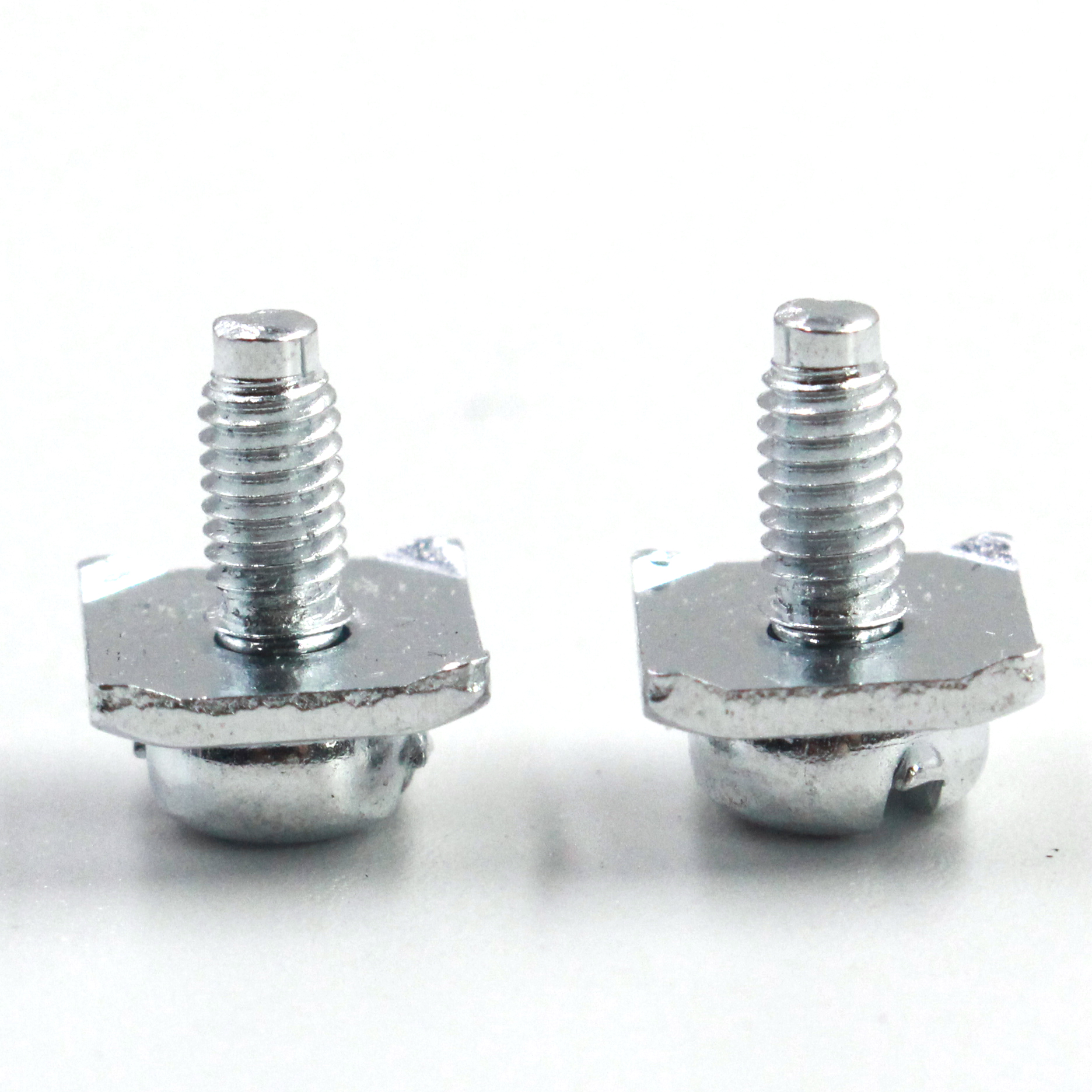


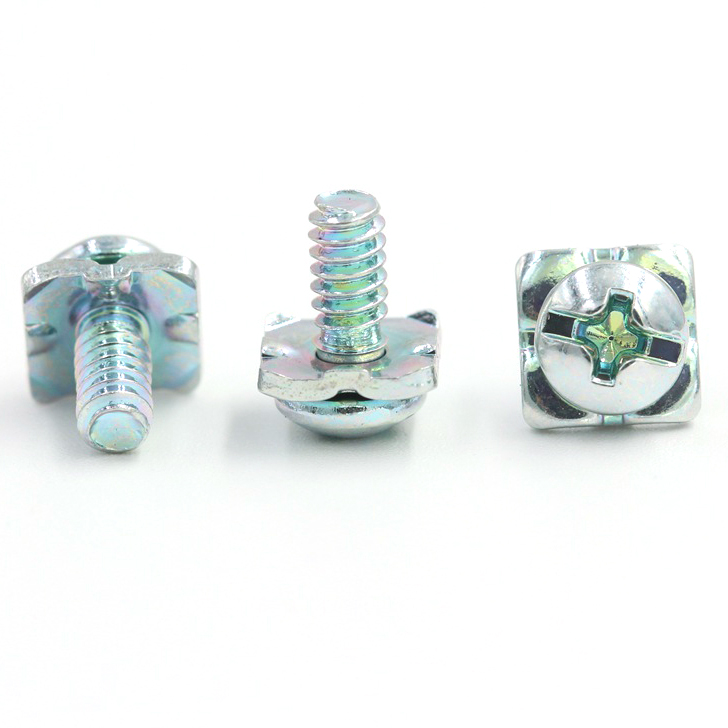


Button Screw With Washer Guarantees Peak Performance Winning in 2025
Top Selling Products


- Related Blog
- Reviews
- Reviews

-

Phone
-

E-mail
-

Whatsapp
-

WeChat

-

Top


