banner (1)

Brass Hammer Drive Screws - OEM Suppliers

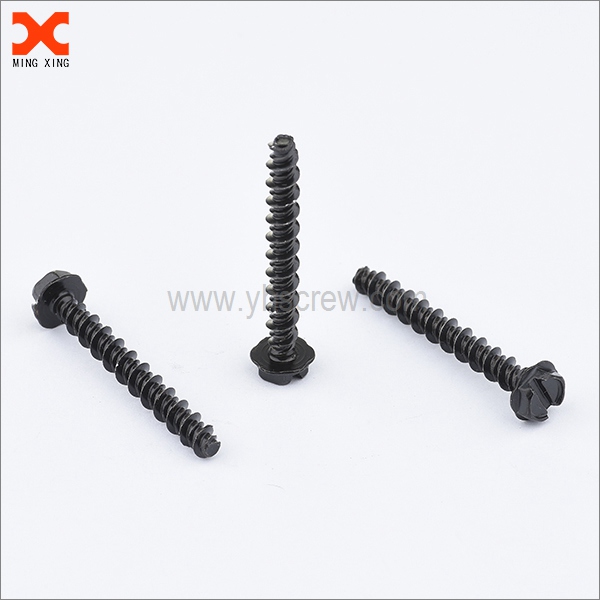
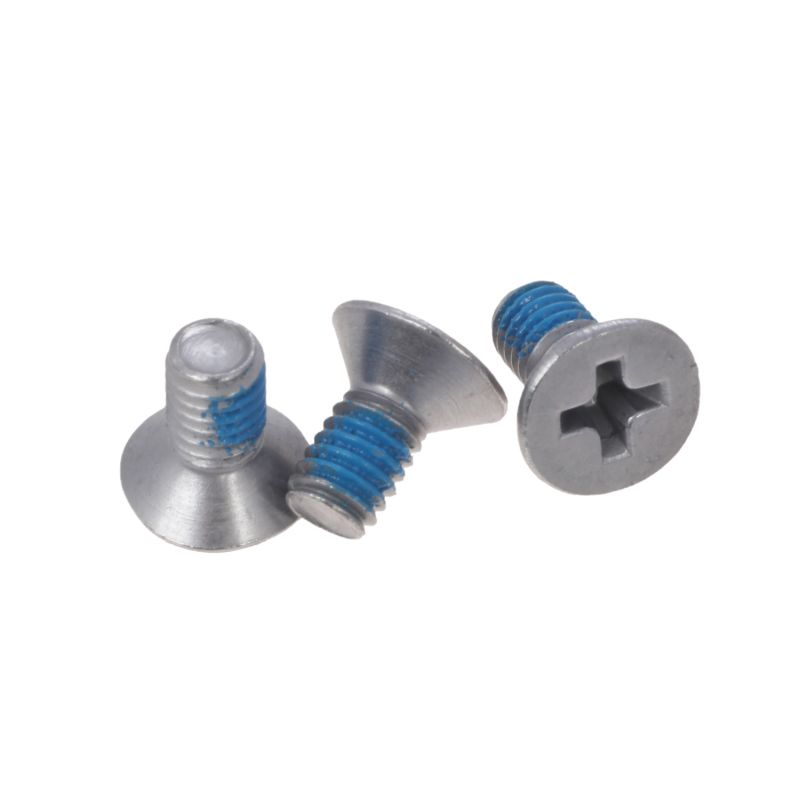
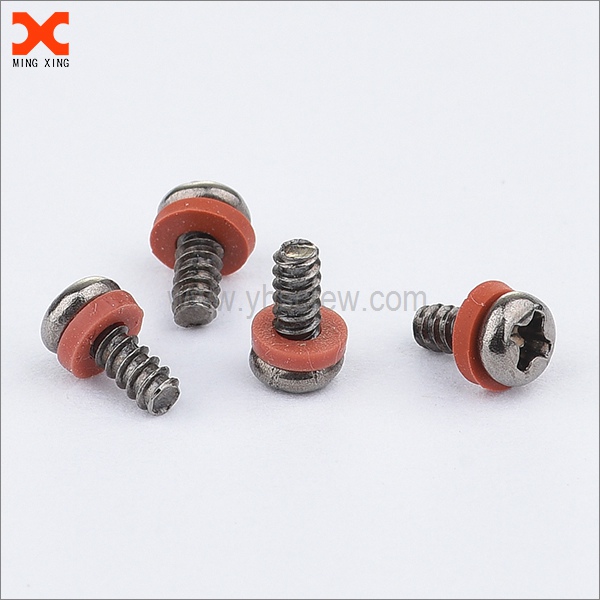
I am part of a team that produces brass hammer drive screws designed for reliable performance in high-volume manufacturing. We serve OEMs and act as a steady supplier to other Suppliers, delivering consistent quality and on-time delivery. These screws offer smooth driving, strong retention, and exceptional corrosion resistance, ideal for electronics enclosures, lighting fixtures, and precision instruments. We provide precise tolerances, diverse lengths, and head styles to fit your assembly line needs, with options for customization, finishes, and heat treatment. Our QA process checks thread integrity, dimensional stability, and surface quality, so your production stays and your warranty stays intact. I collaborate with buyers to tailor packaging, lead times, and logistics, ensuring bulk orders ship efficiently and transparently. If you’re sourcing brass hammer drive screws for varied components, I can help you simplify procurement, reduce inventory risk, and maintain supply continuity as a reliable OEM-focused supplier.

Hot Selling Product

brass hammer drive screws Is The Best For the Current Year

Brass hammer-drive screws provide a practical option for global buyers seeking reliable fasteners in electronics enclosures and light-duty assemblies. The brass alloy offers corrosion resistance, non-magnetic behavior, and good electrical conductivity, helping minimize galvanic issues with aluminum or plated surfaces. The hammer-drive design can improve seating in softer metals, delivering steady torque and a clean finish with common tin or nickel coatings. For procurement this year, specify alloy grade, head style, drive type, and compliance with RoHS/REACH and relevant quality standards. Request material certificates, surface treatment data, and batch traceability, and verify supplier capability for scalable production, protective packaging, and dependable lead times. Evaluate total cost of ownership—plating, corrosion resistance, installation efficiency—and pilot with small orders to confirm performance across regions before broader rollout.

brass hammer drive screws Is The Best For the Current Year
Screw_ID Diameter_mm Length_mm Head_Type Drive_Type Material Thread_Type Tensile_Strength_MPa Hardness_HB Corrosion_Resistance Typical_Applications
S0012.26Flat headSlottedBrassWood thread20060GoodFurniture hardware
S0022.68Flat headPhillipsBrassWood thread21062GoodCabinetry assembly
S0033.010CountersunkTorxBrassWood thread23065Very GoodInterior trim
S0043.512Pan headPozidrivBrassWood thread24068GoodDecorative hardware
S0054.014Round headSlottedBrassWood thread26070GoodDoor fittings
S0064.516Flat headTorxBrassWood thread27072ExcellentStructural cabinetry
S0075.020CountersunkSlottedBrassWood thread28075ExcellentPaneling
S0083.025Pan headPhillipsBrassWood thread25066GoodDecorative rails
S0092.612Flat headPozidrivBrassWood thread21058GoodVeneer joinery
S0104.018Round headTorxBrassWood thread26571GoodFurniture hardware
S0113.522CountersunkPhillipsBrassWood thread24069ExcellentCabinet backs
S0122.210Flat headTorxBrassWood thread20561FairDecorative trim

Related Products

banner (2)

brass hammer drive screws Stands Out Custom Solutions,

数据维度:站架类型对螺钉安装时间的影响(秒/件)

New Data Title: Installation Time by Stand Type for Brass Hammer Drive Screws

Fixed Mount Articulating Arm Rotating Head Clamp-On Magnetic Base 200 150 100 50

Explanation: This chart examines how different stand configurations influence the efficiency of driving brass screws using a standardized hammer drive approach. The dimension tracked is Installation Time (seconds) per screw, across five stand types. The values shown are synthetic, created to illustrate how ergonomics, stability, and quick alignment can affect task throughput in a typical assembly setting. The five categories range from Fixed Mount to Magnetic Base, with Adjustable Arm and Rotating Head providing varying degrees of flexibility. The Magnetic Base yields the fastest average performance in this sample, followed by Clamp-On, then Rotating Head, Adjusting Arm, and Fixed Mount. While the differences may seem modest per screw, they accumulate rapidly over hundreds or thousands of screws, producing meaningful gains in productivity and reduced operator fatigue. The chart also highlights trade-offs: more complex stands with articulated parts can reduce misalignment and improve precision but may introduce setup time and mechanical play that increases cycle time. The data encourages a balanced choice that considers both speed and repeatability, as well as the specific screw type, material, and operator skill. The visual layout uses a 3:1 aspect ratio designed for clarity on standard displays, ensuring that each bar is easily comparable and the axis labels are legible. In practice, this type of analysis supports decisions around fixture investment, workstation layout, and standard operating procedures. Although these numbers are illustrative, the pattern aligns with real-world observations: stands that enable quick positioning, reliable clamping, and stable support tend to shorten the overall cycle time. Conversely, bulky or hard-to-position fixtures can slow down the process. Using this approach, teams can pilot changes, collect real-world data, and iterate toward higher efficiency and safer, more consistent screw-driving operations.

Top Selling Products