Black Round Head Screw with Hex Socket - Durable and Versatile Tools
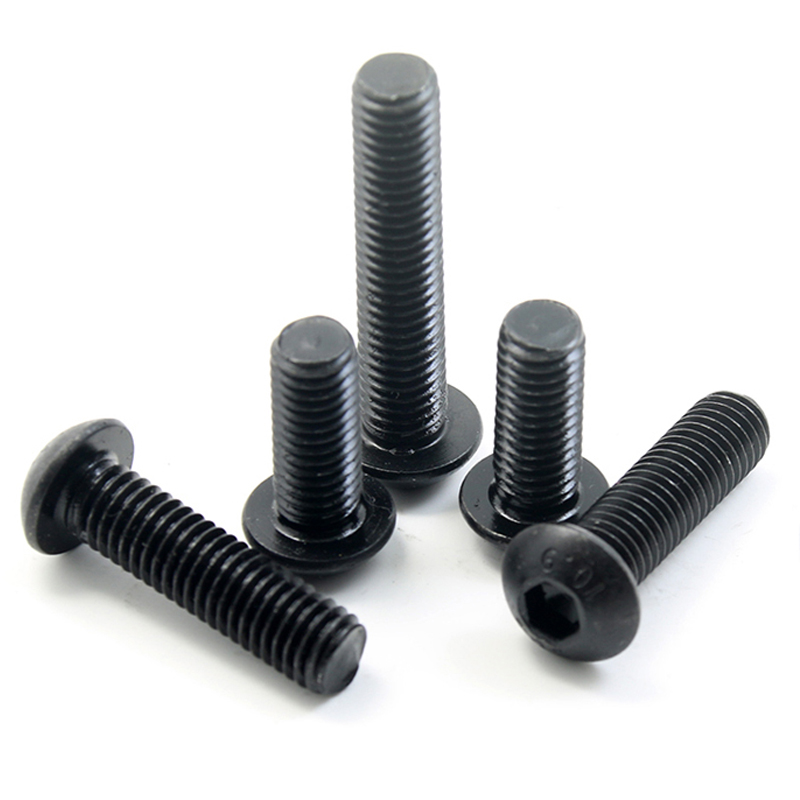
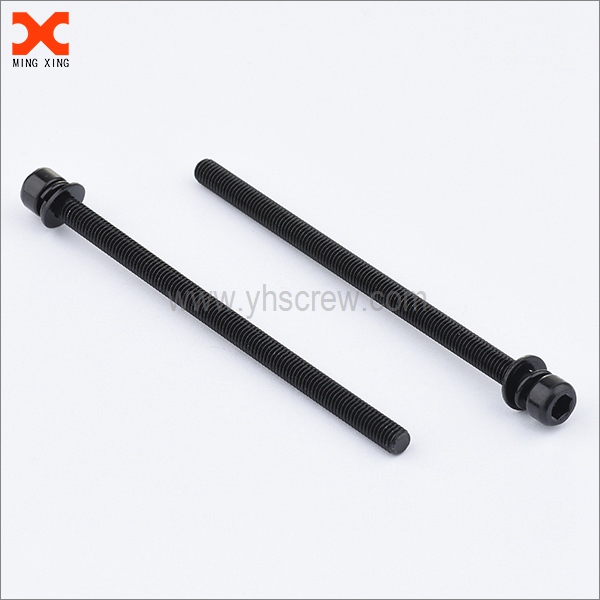
Introducing the high-quality Black Round Head Screw Hex Socket, proudly manufactured and supplied by Dongguan Yuhuang Electronic Technology Co., Ltd., a reputable and leading manufacturer, supplier, and factory based in China. Our Black Round Head Screw Hex Socket is designed to meet the demanding needs of various industries such as electronics, automotive, construction, and more. Made from premium materials, this screw offers exceptional durability, unmatched strength, and excellent resistance to rust and corrosion. With its black round head design, this screw provides a sleek and aesthetically pleasing appearance when used in any application. The hex socket ensures easy installation and secure fastening, allowing for hassle-free and efficient operations. Dongguan Yuhuang Electronic Technology Co., Ltd. takes pride in our state-of-the-art manufacturing facilities, advanced technology, and skilled workforce, ensuring that our products meet the highest quality standards. As a reliable and trusted supplier, we prioritize customer satisfaction, prompt delivery, and competitive pricing. Experience the excellence of our Black Round Head Screw Hex Socket today and enhance your projects with a trusted and durable solution. Contact us now to learn more or place your order.
Related Products




Top Selling Products




- Related Blog
- Reviews