banner (1)

Anti Loosening Screws - ODM Factory Solutions for Secure Fastening

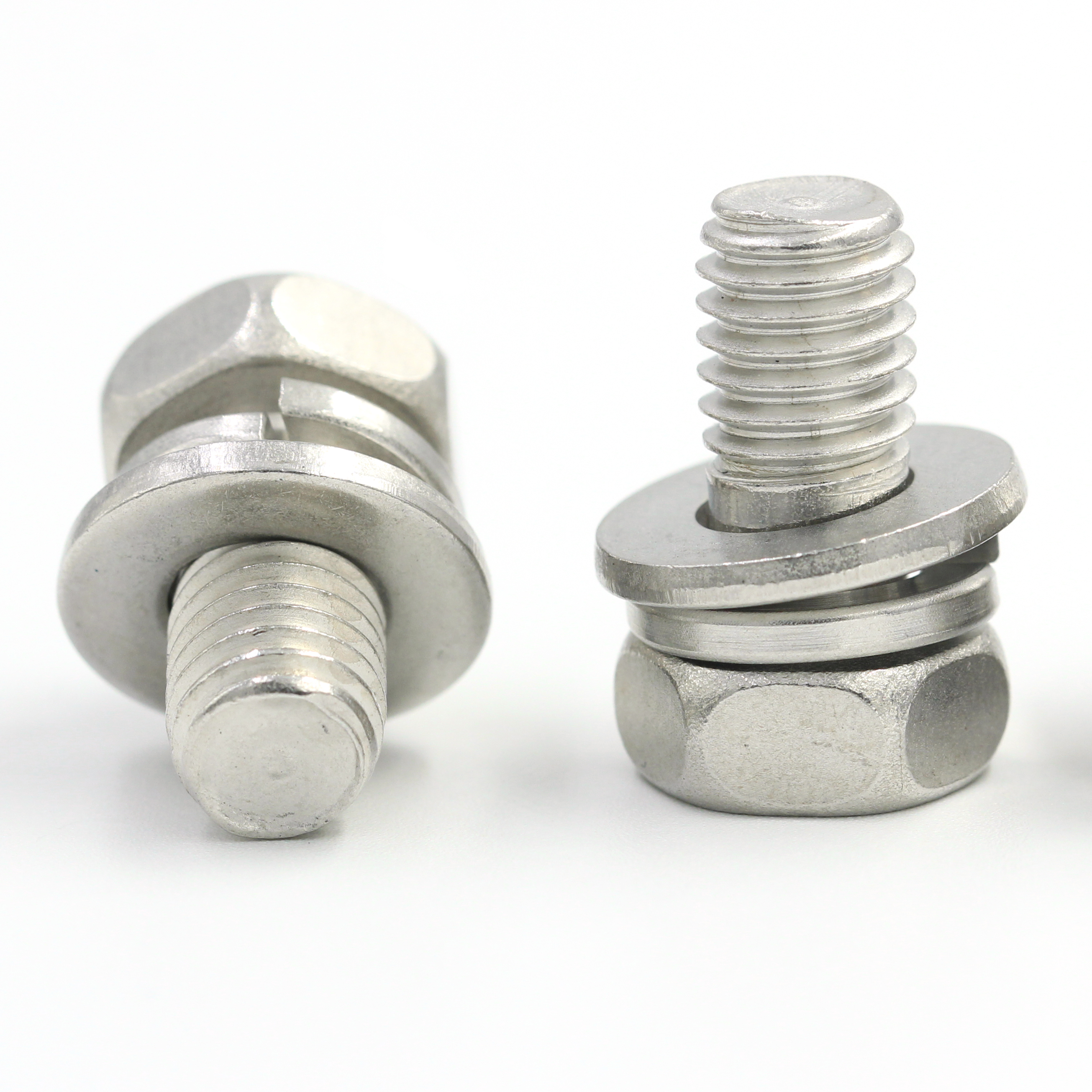
As a go-to solution for industrial fastening, I am the anti loosening screws you can rely on to keep assemblies tight under vibration. I design with OEMs and manufacturers in mind, offering ODM capabilities and factory-direct pricing to speed your project from concept to production. My features include thread-locking inserts, captive washers, and nylon-insert lock mechanisms that resist loosening without damaging threads. I’m compatible with stainless steel, aluminum, and carbon steel hardware, and I can be customized in thread size, coating, and hardness to fit your application. You can source me with short lead times, clear QC reporting, and scalable production for large volumes. For buyers who want to control costs at every step, I’m a practical, durable choice that your factory can trust. If you’re seeking reliable, tailor-made fastening solutions, I’m ready to simplify supply chains and boost uptime for your equipment.

Hot Selling Product

anti loosening screws Manufacturers You Can Rely On Service Backed by Expertise

Global buyers seek anti-loosening screws from partners who combine locking technology with practical engineering support. Leading manufacturers offer solutions such as nylon-insert lock screws, thread-locking options, spring washers, and captive screws in stainless steel and high-strength alloys, with corrosion-resistant coatings as needed. They back parts with design guidance, performance testing, and customization that withstand vibration and thermal cycling, supported by in-house labs and strict QA. Choosing a trusted supplier requires a robust quality system, traceability, and certifications like ISO 9001. Assess customization capabilities, packaging, and responsiveness for prototyping and scale production. Consider supply-chain reliability, regional logistics, clear lead times, and strong after-sales support, including failure analysis and technical documentation. For global procurement, request test data, BOM compatibility, and environmental compliance (RoHS/REACH), and run small-scale trials before large orders.

{ anti loosening screws Manufacturers You Can Rely On Service Backed by Expertise}
Code Region Locking Type Material Grade Thread Torque Range (Nm) Temp Range (°C) Certifications Years in Market Support Level
S-ULS-001 Europe Prevailing Torque (metal insert) Stainless Steel A2-70 8.8 M4 0.6–1.8 -40 to 180 ISO 9001; RoHS 12 Premium
S-ULS-002 Americas Nylon Insert (Prevailing Torque) Stainless Steel A4-70 10.9 M6 1.2–3.5 -50 to 150 ISO 9001; REACH 9 Standard
S-ULS-003 Asia-Pacific Adhesive Threadlocker Alloy Steel 8.8 M5 0.5–2.2 -40 to 170 RoHS; ISO 9001 7 Standard
S-ULS-004 Europe Prevailing Torque (nylon patch) Brass 5.8 M8 2.0–4.0 -20 to 120 ISO 9001; RoHS 15 Premium
S-ULS-005 Americas Metal insert locking (polyimide) Stainless Steel A2-70 8.8 M10 3.0–6.0 -40 to 150 ISO 9001; RoHS; REACH 6 Standard
S-ULS-006 Europe Prevailing Torque (grub screw) Carbon Steel 12.9 M3 0.2–0.8 -60 to 140 ISO 9001 20 Premium
S-ULS-007 APAC Nylon Patch Stainless Steel A2-70 8.8 M4 0.8–2.1 -50 to 120 RoHS; REACH 5 Basic

Related Products

banner (3)

anti loosening screws Supplier More Than a Supplier - A Partner

Data Dimension Title: Correlation of Maintenance Phases with Screws Loosening Risk

Screws Loosening Risk Index Across Maintenance Phases

0 20 40 60 80 100 1 2 3 4 5 6 7 8 9 10 11 12 Maintenance Phase Risk Index Loosening Risk

Explanation: This chart investigates the relationship between maintenance phases and the risk of screw loosening in critical assemblies. The data dimension used here captures phase-based operating conditions, torque verification outcomes, vibration exposure, and inspection intervals. The line shows a risk index from 0 to 100 across 12 phases, illustrating how risk evolves as equipment ages and cycles through higher loads. In early phases the risk is moderate; it climbs sharply around mid-life as operation intensity and shock loads accumulate. The peak around Phase 6 corresponds to the highest combined loads and the frequency of maintenance events, highlighting a window where proactive tightening and verification are most impactful. Subsequently, the risk gradually declines as preventive actions stabilize assemblies, but a residual risk remains evident through Phase 12, indicating aging effects and wear. This visualization demonstrates that risk is not a simple monotonic function of time; it reflects the interplay between usage patterns, maintenance quality, and design tolerances. For practitioners, the chart suggests concrete actions: schedule torque verification and thread-locking checks ahead of the Phase 4–6 window; reinforce tightening sequences during mid-life; and plan for component refresh in later phases. The data also implies that improving accuracy of maintenance and standardizing procedures can shift the curve downward, reducing overall risk exposure. From a data perspective, expanding dimension coverage to include temperature, humidity, thread condition, and material variations would enable a more robust predictive model. The collaboration between suppliers and customers, framed as a partner relationship, can ensure the insights translate into actionable maintenance protocols and design improvements. In summary, this dimension and its trajectory offer a practical lens for proactive risk management, enabling teams to reduce downtime, extend asset life, and enhance reliability of critical assemblies. The approach supports data-driven decisions that align maintenance discipline with operational realities.

Top Selling Products