banner (1)

304 Cross Pan Head Self-tapping Screws - Wholesale Manufacturers

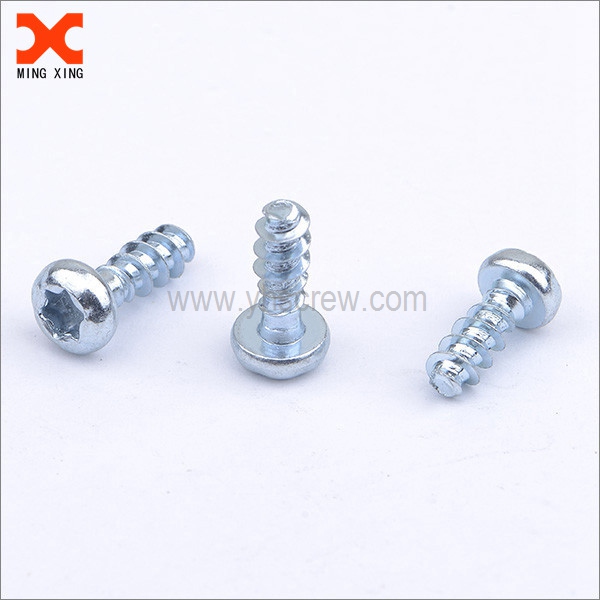
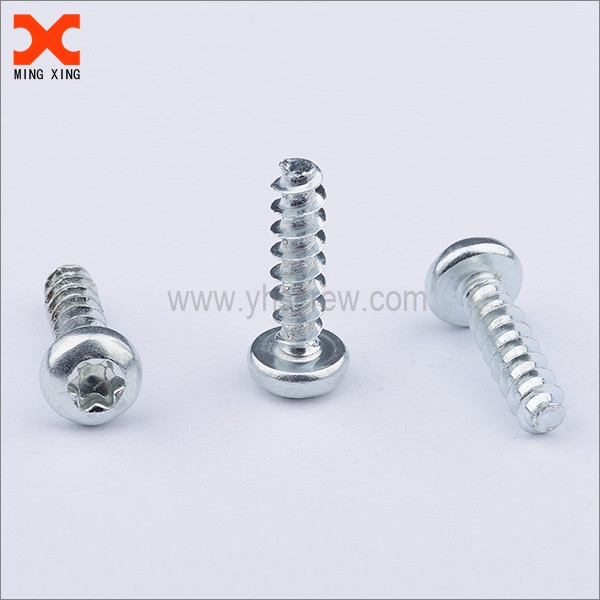
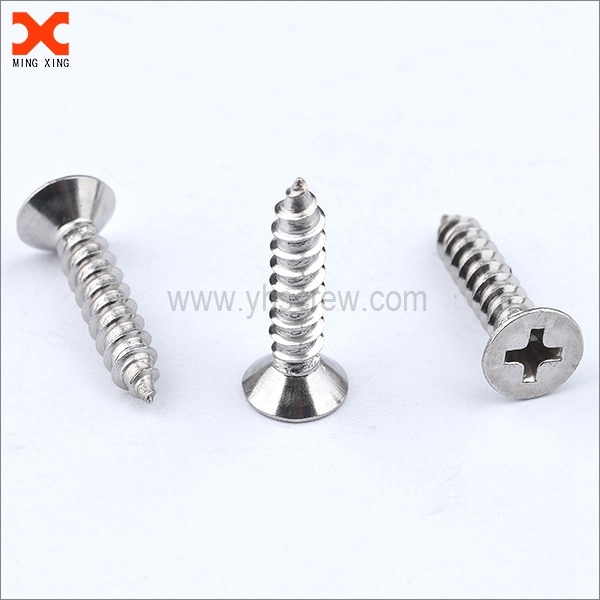
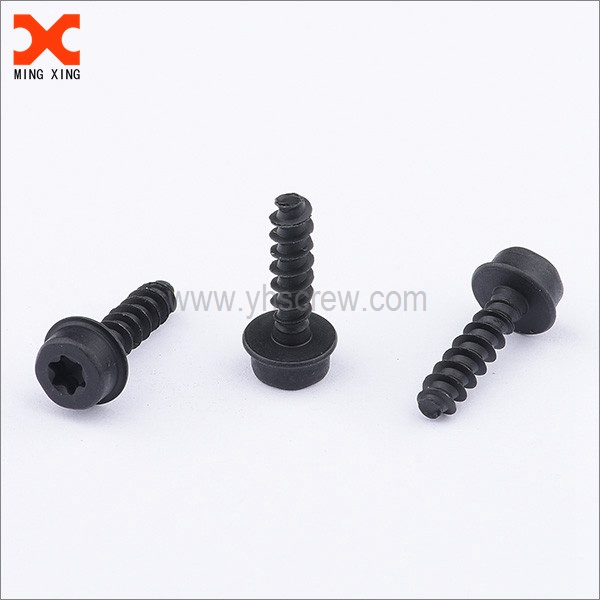
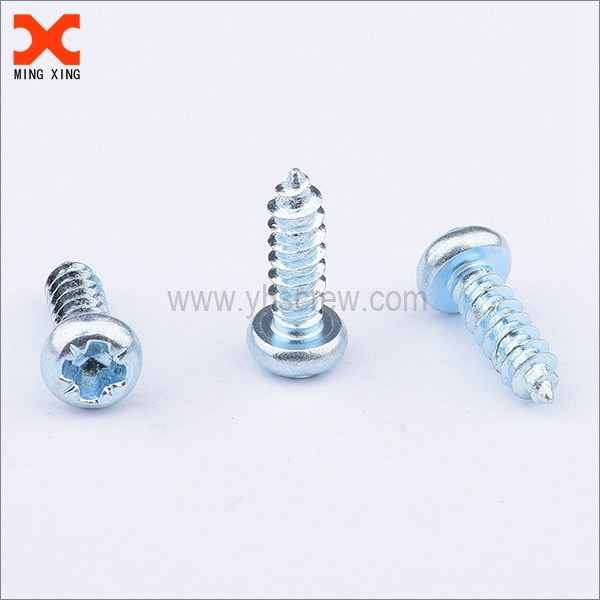
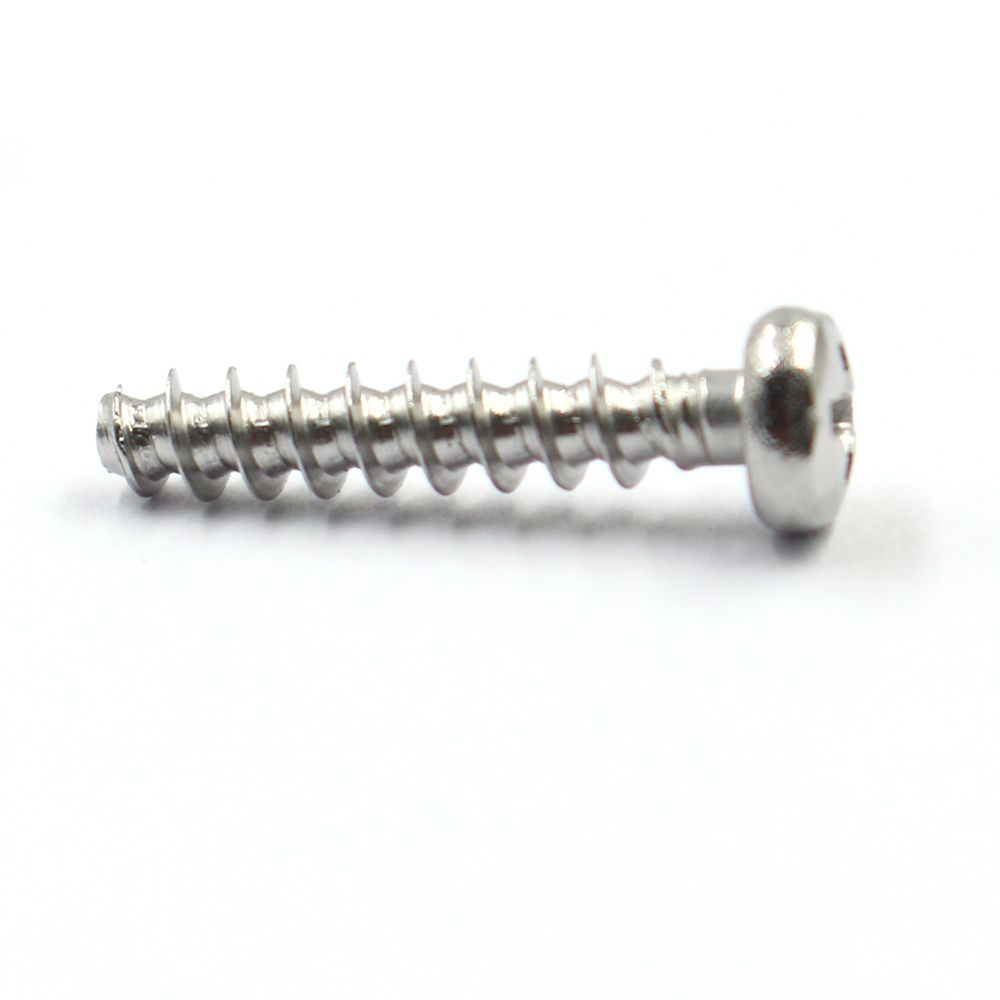
I am your sourcing partner for 304 Cross Pan Head Self-tapping Screws, a stainless steel fastener trusted by professionals in metalworking and assembly. With 304 grade stainless steel, these screws resist corrosion and look sharp in exposed applications. The cross pan head provides a wide bearing surface and a flush finish after driving, while the self-tapping point saves time by cutting its own threads in soft metals and certain plastics. I offer these screws in standard sizes for wholesale and manufacturers, with tight tolerances and consistent torque. Perfect for automotive, appliance, and HVAC projects, they ship in bulk to meet production schedules. As a wholesale supplier to manufacturers, I can provide flexible MOQs, competitive pricing, and reliable lead times. If you need corrosion resistance, fast install, and guaranteed supply, these 304 Cross Pan Head Self-tapping Screws are the right fit. Reach out for samples, bulk pricing, and our OEM/ODM packaging options.

Hot Selling Product

304 Cross Pan Head Self-tapping Screws Supplier Dominates

304 cross pan head self-tapping screws combine the corrosion resistance of 304 stainless steel with a user-friendly pan head and cross recess for optimal torque transfer. Their self-tapping threads cut cleanly into metal and plastic substrates, eliminating the need for pre-drilling in many assemblies and speeding production. Consistent thread form and sharp point reduce material stress and improve joint reliability across electronics, appliances, automotive trim, HVAC and general manufacturing. For global procurement, choosing a supplier with high-volume capacity, strict quality control and full material traceability ensures predictable lead times and batch consistency. Flexible customization of sizes, thread types, surface treatments, packaging and minimum order quantities supports both OEM projects and aftermarket needs. Competitive pricing, certification compliance (ISO, RoHS) and coordinated logistics make these screws a cost-effective, low-risk solution for international sourcing and scalable production.

{ 304 Cross Pan Head Self-tapping Screws Supplier Dominates }
SKU Diameter (mm) Length (mm) Pitch (mm) Drive Type Finish Tensile Strength (MPa) Origin Certifications MOQ
CV-304-SPS-3.0-8 3.0 8 0.50 Phillips #2 Bright 520 China RoHS, ISO 9001 5000
CV-304-SPS-4.0-12 4.0 12 0.70 Phillips #2 Satin 520 China RoHS, REACH 1000
CV-304-SPS-3.5-10 3.5 10 0.50 Phillips #2 Bright 540 Vietnam ISO 9001 2000
CV-304-SPS-4.5-16 4.5 16 0.80 Phillips #2 Passivated 530 China ISO 9001 1500
CV-304-SPS-5.0-20 5.0 20 0.80 Phillips #2 Bright 550 Malaysia ISO 9001 800
CV-304-SPS-4.8-12 4.8 12 0.70 Phillips #2 Satin 560 China REACH 1200
CV-304-SPS-3.0-6 3.0 6 0.50 Phillips #1 Passivated 500 Taiwan RoHS 4000
CV-304-SPS-5.5-25 5.5 25 1.00 Phillips #2 Bright 570 India ISO 9001, RoHS 600

Related Products

banner (2)

304 Cross Pan Head Self-tapping Screws Now Trending Delivers Unmatched Quality

Data-Driven Quality Trend Analysis for Cross Pan Head Self-Tapping Screws

Dimension: Overall Quality Metrics (0-100 scale)

100 80 60 40 20 0 Tensile Strength Reliability: 92 Corrosion Resistance: 87 Dimensional Stability: 85 Installation Consistency: 90 Lead Time Efficiency: 78 Cost Efficiency: 88 Tensile Corrosion Dimensional Installation Lead Time Cost

The presented chart showcases a data-driven snapshot of six key quality dimensions for cross pan head self-tapping screws. Each bar represents a 0-100 scale score derived from a composite of laboratory tests, field performance data, and manufacturing process metrics. The six dimensions are tensile reliability, corrosion resistance, dimensional stability, installation consistency, lead time efficiency, and cost efficiency. By consolidating disparate quality signals into a single visual, stakeholders can quickly identify strengths and bottlenecks within the product. Higher scores indicate superior performance across the respective dimension, while relatively lower scores highlight opportunities for improvement.

Construction and interpretation of this chart involved collecting standardized measurements from material analyses, coating tests, thread engagement simulations, and supplier process evaluations. The tensile and installation-related dimensions show strong performance (92 and 90, respectively), suggesting robust manufacturing controls and predictable assembly outcomes. Corrosion resistance (87) remains strong but reveals room for enhancement in certain environmental exposures, which could guide coating optimization or surface treatments. Dimensional stability (85) points to good tolerances, yet minor improvements in machining consistency could further reduce variance. Lead time efficiency (78) indicates a supply-chain and process timing area where optimization could reduce downtime and expedite production without compromising quality. Cost efficiency (88) reflects a favorable balance between material costs and process productivity, although there is still margin to drive savings through process automation or materials optimization.

Interpreting these metrics can support targeted quality improvement plans, such as investing in coating advancements for enhanced corrosion resistance, tightening tolerances in critical features to improve dimensional consistency, or implementing lean initiatives to shorten lead times. It is important to note that the scores are aggregates and may be influenced by sample size, testing conditions, and supplier variability. Going forward, periodic updates with expanded data sources (e.g., field failure modes, long-term wear testing, and customer feedback) will strengthen the reliability of the insights.

Top Selling Products