banner (1)

Types of Thumb Screws: High-Quality Supplier for Precision Fasteners

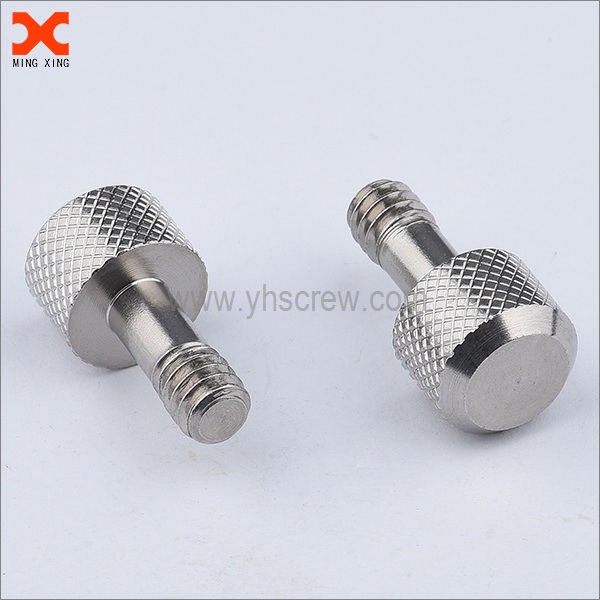
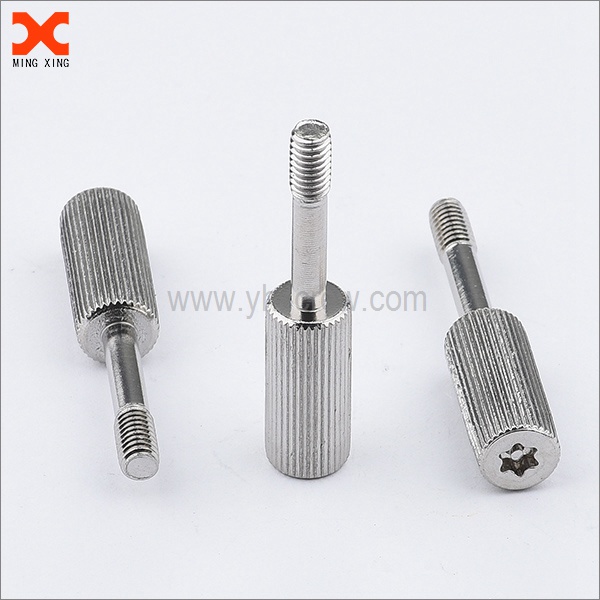
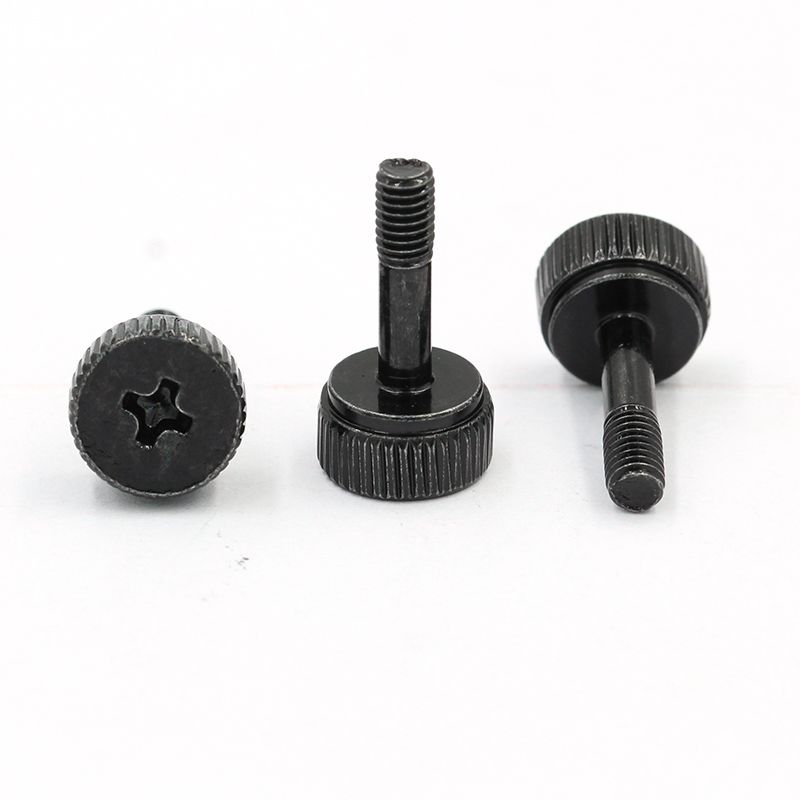
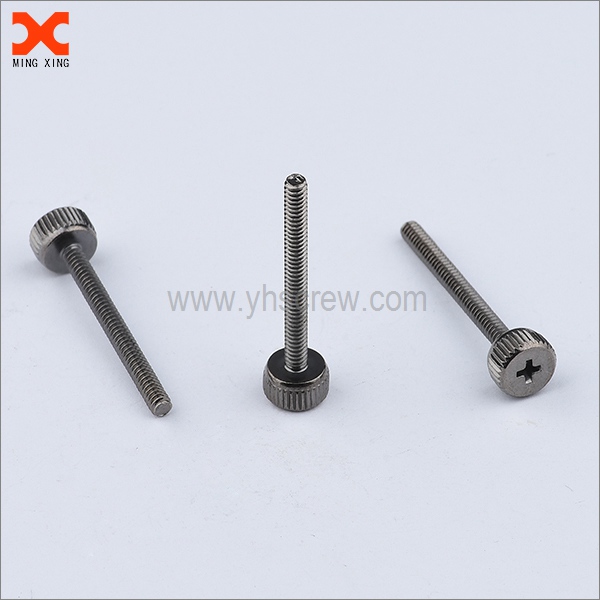
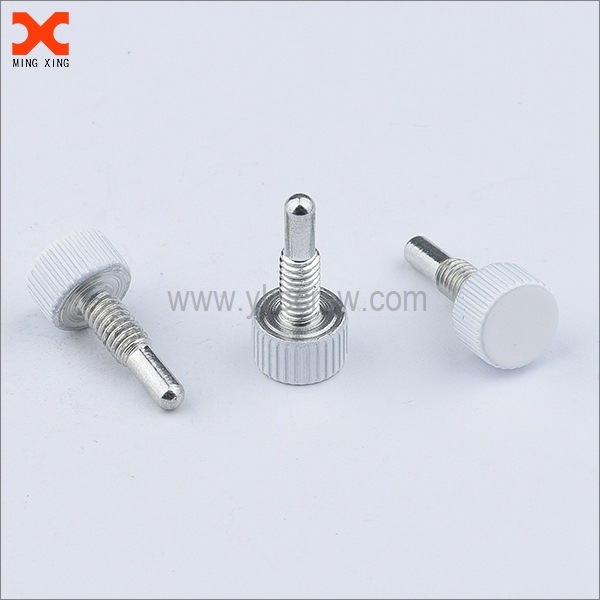
I’m a High-Quality Supplier focused on fastening solutions, and I’m here to help you streamline assembly with the right types of thumb screws. From knurled and slotted to hex-drive and button styles, my catalog covers the most common configurations used across electronics, cabinetry, and machinery. Each thumb screw is designed for tool-free adjustment, offering reliable grip and corrosion resistance in stainless steel, brass, or nylon options. Whether you need metric or imperial threads, coarse or fine pitch, I can supply bulk quantities with quick lead times and consistent tolerances. With strict QA and strong supply chain, I can meet your project schedules and spec requirements. You’ll get durable performance, easy sourcing, and clear documentation—material certifications, finishes, and machining notes included. Partner with me for a truly dependable buying experience and bulk pricing on the complete set of types of thumb screws you need for your production line.

Hot Selling Product

types of thumb screws Stands Out Market Leader

Thumb screws come in a range of drive styles and materials, enabling tool-free assembly and rapid maintenance for electronics, enclosures, and equipment racks. Common options include knurled stainless steel for grip, nylon-bodied versions for insulation and corrosion resistance, and captive designs that stay attached to panels. Drives range from slotted and Phillips to hex, Torx, and square, with various knurling and pitches tuned for torque and reliability. Global buyers look for a market leader that delivers consistent quality and durable finishes across every batch. Top providers offer materials such as 304/316 stainless steel and engineering plastics, finishes like zinc and black oxide, and performance tested for vibration and temperature. They provide RoHS/REACH compliance, flexible MOQs, rapid sampling, scalable production, and dependable logistics—making thumb screws a reliable asset for assembly speed, durability, and supply chain resilience.

types of thumb screws Stands Out Market Leader

Type Material Thread Size Head Style Drive Type Finish Application Diameter (mm) Length (mm) Torque Rating (Nm) Temperature Range (C) Notes
Knurled Thumb Screw Stainless Steel 304 M4 x 0.7 Knurled Slotted Bright General electronics and machinery 8.0 12.0 0.40 -20 to 120 Standard general-purpose for light-duty fastening
Slotted Thumb Screw Stainless Steel 316 M5 x 0.8 Round Slotted Passivated Marine equipment 9.5 16.0 0.55 -40 to 150 Corrosion resistance in salt-rich environments
Security Thumb Screw Stainless Steel 304 M3 x 0.5 Knurled Hex security Black oxide Enclosures requiring tamper resistance 7.5 8.5 0.25 -20 to 100 Tamper-resistant drive
Hex Socket Thumb Screw Carbon Steel M4 x 0.7 Knurled cap Hex socket Zinc plated Manufacturing fixtures 9.0 14.0 0.90 -10 to 120 High torque capability
Aluminum Thumb Screw Aluminum 6061 M6 x 1.0 Knurled None (press-in) Anodized blue Lightweight equipment 11.0 20.0 0.30 -20 to 80 Lightweight, non-magnetic
Brass Thumb Screw Brass CuZn39Pb3 #6-32 Slotted Slotted Natural brass Optical fixtures 9.0 10.0 0.28 -10 to 100 Good conductivity
Stainless Steel Knurled Thumb Screw Stainless Steel 316 #8-32 Knurled Hex Passivated Precision equipment 10.2 15.0 0.70 -40 to 180 High strength, corrosion-resistant
Nylon Thumb Screw Nylon 6/6 M3 x 0.5 Round Slotted Natural Electronics enclosures 6.5 9.5 0.15 -40 to 80 Non-conductive, chemical resistant

Note: Data provided here are representative specifications for commonly used thumb screws in various applications. Always verify exact tolerances and compatibility for your specific design.

Related Products

banner (3)

types of thumb screws Sets the Industry Standard Factory-Direct Excellence

数据维度标题:不同拇指螺钉类型的尺寸公差随时间的变化

Dimensional Tolerance Trend by Thumb Screw Type

Data Perspective: Dimensional tolerance is a fundamental quality metric for thumb screws used across machinery and electronics assemblies. This chart presents monthly tolerance values for four common thumb screw forms: Knurled, Slotted, Hex Socket, and Wing. Tolerance is expressed as a percentage of the nominal diameter. Lower values indicate tighter manufacturing control and a higher likelihood of reliable fit with mating components. The time series reveals several patterns. Slotted screws exhibit the highest average tolerances, generally ranging from about 0.38% up to 0.50%, which reflects the complexity of machining slots and the risk of tool deflection during production. Hex Socket screws show mid-range tolerances, typically between 0.25% and 0.35%, suggesting that automated turning and milling processes can maintain consistent dimensional control for features like hex pockets. Knurled screws demonstrate a trend toward gradual tightening over the year, moving from roughly 0.30% to the low 0.20s before rebounding into the low 0.30s, which may reflect tooling wear, fixture stabilization, or process calibration. Wing screws begin with relatively tight tolerances (about 0.25–0.28%) and drift slightly upward toward year-end, perhaps due to changes in manual assembly steps or fixture wear. The data hint at the interaction between geometry, material, and process capability. A change of 0.05 percentage points in tolerance, while small, can translate into measurable changes in assembly yield when millions of units are produced. This underscores the value of measuring capability (Cp, Cpk) and controlling process variation through standardized fixturing, calibrated torqueers, and regular gaging checks. The chart illustrates how different product forms respond to the same manufacturing environment, highlighting areas where targeted improvements could yield meaningful reductions in defect rates and improved interchangeability. When used by engineering and sourcing teams, these insights can guide supplier selection, inspection frequency, and capital investment in tooling and automation.

Top Selling Products