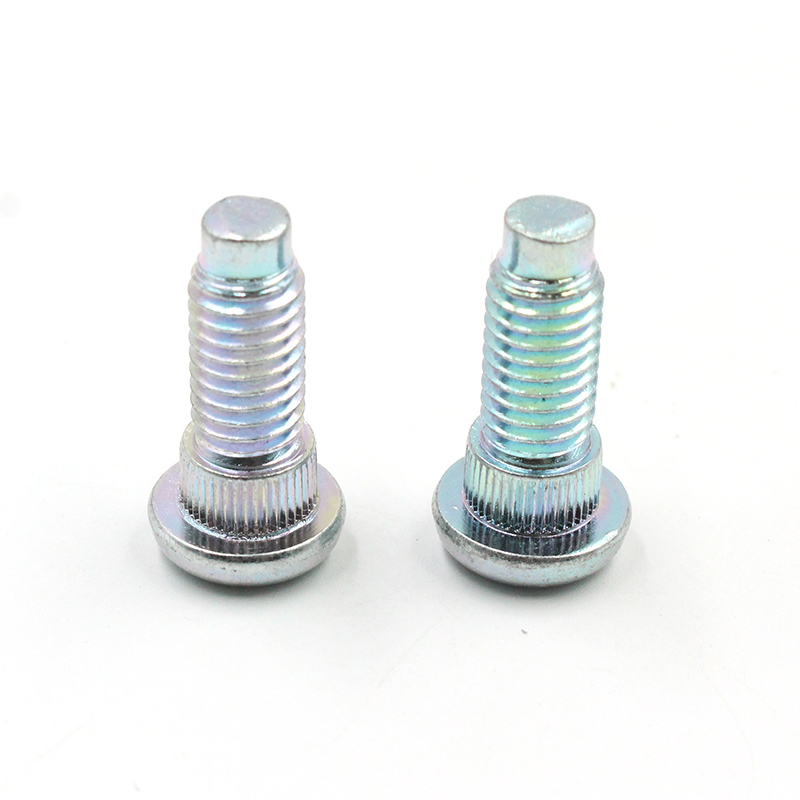
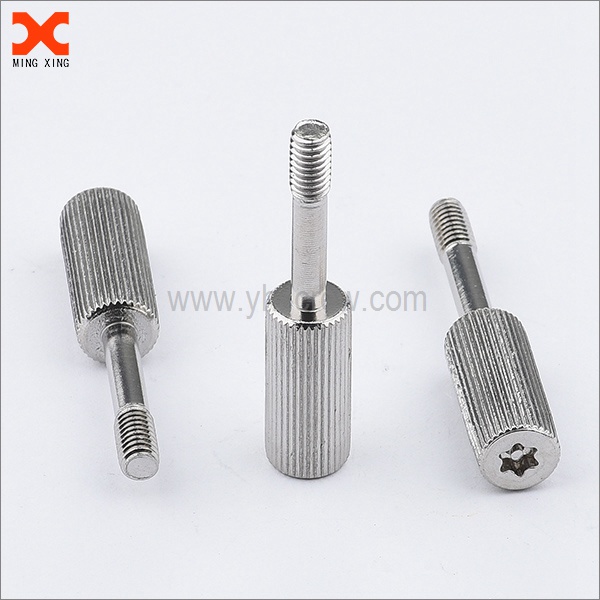
banner (1)

Turning Parts CNC Machining Service in China - Trusted Manufacturer

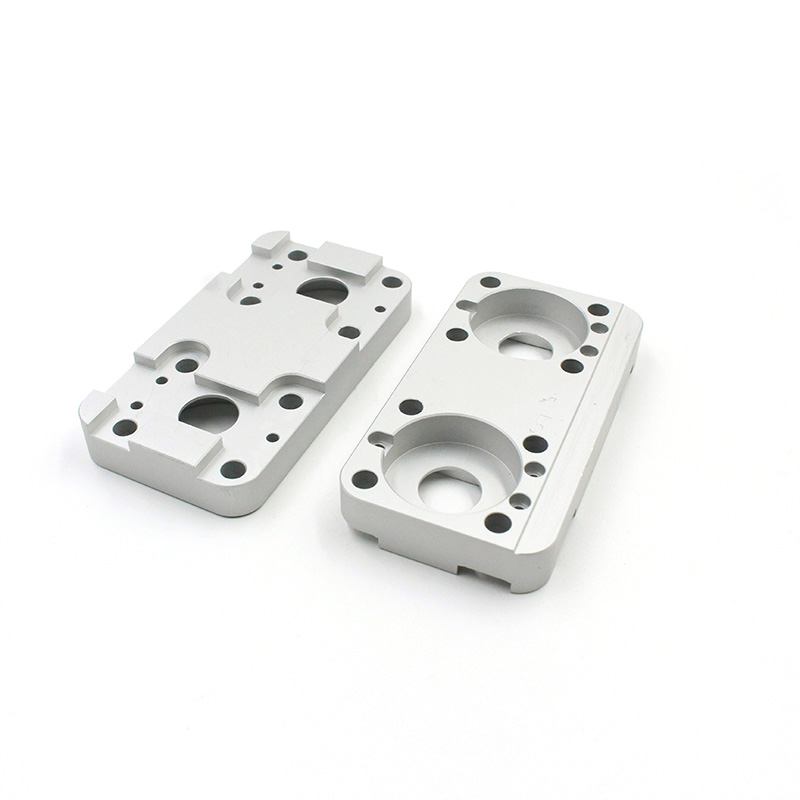
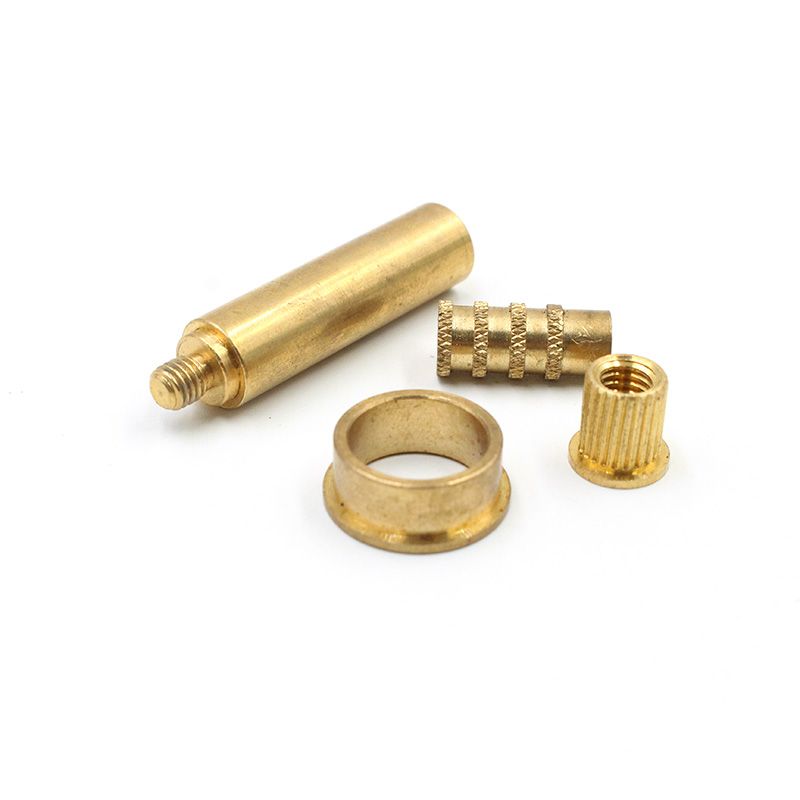
From our shop floor to your assembly line, I deliver turning parts cnc machining service tailored for precision engineering and high-volume production. As a China-based Manufacturer, I understand what B2B buyers need: tight tolerances, reliable delivery, and clear tech docs. I offer CNC turning, multi-axis lathes, live tooling, and second operation finishing with coating options. Materials include aluminum, stainless steel, brass, and exotic alloys. I support rapid prototyping and mass production with flexible MOQs and scalable cycle times. Our workflow uses PDCA, first article inspection, and ISO-compliant quality control to ensure consistency. Communication is fast—product drawings, 3D models, and DFMEA are welcome. If you're sourcing in China or looking for a trusted Manufacturer of turning parts cnc machining service, I can align with your QA specs, cost targets, and lead times. Let me help you shorten supply chains and boost your board-level reliability.

Hot Selling Product

turning parts cnc machining service Stands Out Pioneers in the Field

Turning parts with CNC machining stands out when precision engineering meets automated workflow. Modern turning centers with live tooling and multi-axis capability produce tight tolerances on complex geometries, from micro bores and threads to undercuts, across a broad material range—aluminum, stainless steel, titanium, and engineering plastics. With advanced tooling, smart offsets, and real-time process monitoring, quality remains consistent from prototype to high-volume production, delivering reliable performance for automotive, medical, electronics, and industrial applications. For global buyers, these capabilities mean resilient supply and predictable results. Rigorous inspection plans, First Article Inspections, in-process checks, and traceability support regulatory and quality needs across regions. Production scales from small pilots to tens of thousands of parts with stable tolerances, while design-for-manufacturability feedback shortens time-to-market. Flexible logistics and reliable IP protection round out a procurement experience that emphasizes quality, consistency, and value for diverse industries.

{ turning parts cnc machining service Stands Out Pioneers in the Field }
Category Materials Used Tolerance (mm) Typical Part Size (mm) Machining Capabilities Lead Time (days) Surface Finish (Ra µm) Certifications Annual Throughput (parts/year)
Automotive components 6061-T6 Aluminum ±0.02 10-120 5-axis milling & turning 3-5 0.8-1.6 ISO 9001 60,000
Aerospace hardware 7075-T6 Aluminum ±0.01 5-60 High-precision turning 5-7 0.4-0.8 AS9100 25,000
Medical devices components 316L Stainless Steel ±0.02 2-200 Milling, Turning, Swiss-type turning 4-8 0.2-0.6 ISO 13485 10,000
Industrial machinery parts AISI 1045 Carbon Steel ±0.03 20-300 CNC Milling & Turning 2-6 0.8-1.2 ISO 9001 80,000
Consumer electronics enclosures 6063 Aluminum ±0.03 5-100 CNC milling, finishing 2-4 0.6-1.2 ISO 9001 120,000
Prototype and low-volume parts Brass C360 ±0.02 3-150 Prototype runs, rapid tooling 1-3 0.4-0.9 N/A 5,000
Medical-grade implants testing fixtures Titanium Grade 5 (Ti-6Al-4V) ±0.01 4-50 Precision turning, micro-drilling 6-9 0.4-0.7 ISO 13485 2,500

Related Products

banner (2)

turning parts cnc machining service Your Trusted OEM Partner Manufacturers You Can Rely On

Data Visualization - CNC Turning Parts

Data Dimension: Production Throughput by Part Type

Chart: Production Throughput by Part Type

This chart illustrates production throughput by part type for a CNC turning and milling workflow, captured as units per hour across a defined shift window. The data dimension centers on Part Type as the categorization axis, with throughput serving as the measurable performance indicator reflecting machining efficiency, cycle time, tool wear, setups, and parallel operations. The dataset used here is synthetic for demonstration purposes, but in a real manufacturing environment, throughput data would be collected from MES systems, CNC log data, and downstream packaging records. Observations show Part Type C achieving the highest throughput, likely due to shorter cycle times or smoother tooling paths, while Part Type F trails, possibly due to longer operations or additional finishing steps. Part Types A and D demonstrate moderate performance, suggesting stable processes with opportunities for incremental improvements.

Interpreting the chart requires focusing on relative performance rather than absolute capacity. To drive improvements, stakeholders can investigate bottlenecks, balance workloads across machines, standardize parameters, and optimize tool paths for slower part types. Further analysis could integrate quality metrics, such as defect rate, to ensure increased speed does not compromise part integrity. Extending the dataset over multiple days or weeks would allow for trend analysis, moving averages, and control charts to detect drift and sustain gains. This data dimension aligns with the core value proposition of turning parts CNC machining as an OEM partner: delivering precise parts quickly and reliably, with traceability across batches. The chart can support communication with customers and guide decisions on capital investments, tooling upgrades, or workforce training to maximize throughput while maintaining high quality and consistent delivery.

Top Selling Products