banner (1)

Torx Self-Tapping Screw - Wholesale from Manufacturers

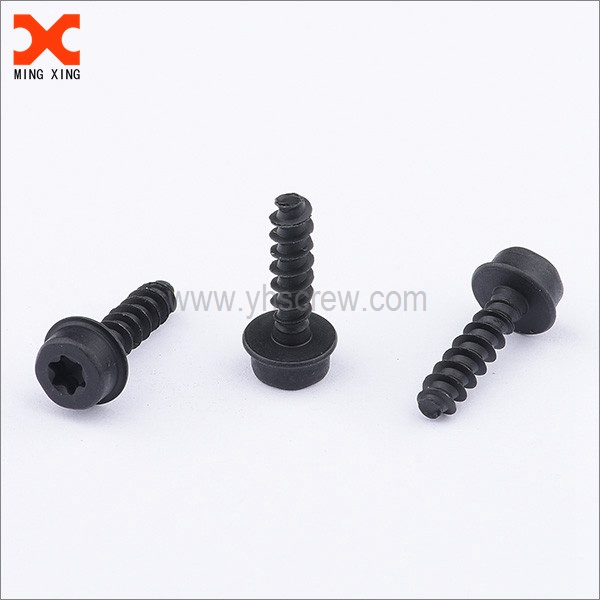
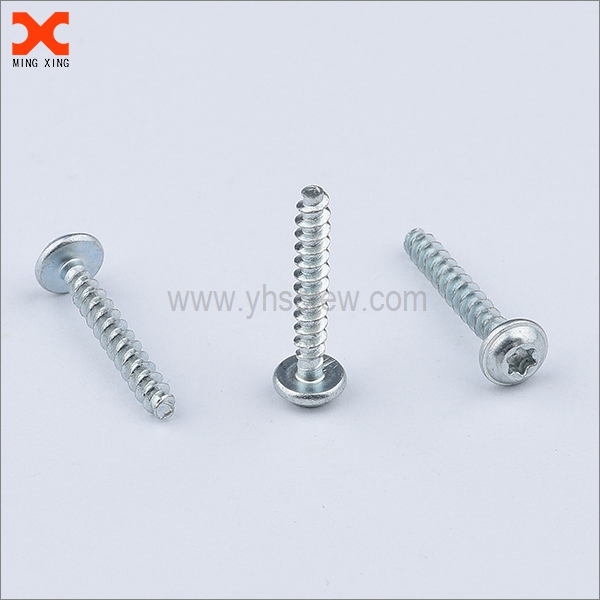
From my workshop, I provide a dependable Torx Self-Tapping Screw built for fast, clean assemblies in metal and plastics. As a manufacturer, I know wholesale buyers want parts that tighten quickly without predrilling, and I deliver that with a sharp hardened tip and a robust Torx drive for reduced cam-out. These screws come in stainless steel and zinc-plated options, with coatings to resist corrosion in indoor and mild outdoor environments. We offer a range of thread lengths and bolt diameters for common projects, and I can customize head styles and finish to match spec sheets. For Wholesale customers and Manufacturers looking to streamline supply, I maintain consistent lead times, flexible MOQs, and competitive pricing with quality control certificates. If you need a reliable Torx Self-Tapping Screw in bulk, I’ll quote fast and ship promptly, ensuring you meet production schedules and build durable products.

Hot Selling Product

Torx Self-Tapping Screw Ahead of the Curve Global Reach

Torx self-tapping screws are shaping the way global manufacturers assemble with confidence. Their star drive reduces cam-out and increases torque transfer, enabling faster, more reliable installations on electronics, automotive, furniture, and home appliances. Sourcing options span stainless steel, carbon steel, and a range of coatings, giving buyers compatibility with different environments, automation equipment, and regional standards across the supply chain. To stay ahead of the curve, procurement teams should specify drive size and type, thread pitch, material grade, and coating for corrosion resistance; request performance data, including torque and pull-out strength, as well as lot traceability and QA processes. Ensure packaging and labeling fit cross-border logistics and that suppliers hold essential certifications (quality management, RoHS/REACH). A diversified supplier base and clear lead times help you scale with demand and reduce risk.

Torx Self-Tapping Screw Ahead of the Curve Global Reach
Item Diameter_mm Length_mm Drive_Torx Head_Style Material Finish Thread_Type Pitch_mm Typical_Application Global_Reach
1 3 8 T15 Pan Head Stainless Steel A2-70 (304) Zinc Plated Self-tapping 0.50 Sheet Metal Global
2 4 12 T20 Pan Head Carbon Steel Grade 8.8 Black Oxide Self-tapping 0.70 Automotive/Appliance Global
3 4 16 T25 Pan Head Stainless Steel A4-70 (316) Satin Self-tapping 0.90 Exterior Metal Global
4 5 20 T25 Flat Head Carbon Steel Grade 4.6 Zinc Plated Self-tapping 0.80 Construction/Metal Global
5 6 25 T30 Flat Head Stainless Steel A2-70 Zinc Plated Self-tapping 1.00 Roofing/Enclosures Global
6 3 10 T15 Pan Head Aluminum Alloy 6061-T6 Clear Anodized Self-tapping 0.50 Electronic Enclosures APAC
7 4 6 T15 Pan Head Stainless Steel Grade 304 (A2-70) Satin Self-tapping 0.60 Furniture Europe
8 3 12 T20 Pan Head Carbon Steel 1018 Zinc Plated Self-tapping 0.45 General Hardware NA/Global

Related Products

banner (2)

Torx Self-Tapping Screw Guarantees Peak Performance Outperforms the Competition

Dimension: Torque Level vs Self-Tapping Efficiency Across Material Grades

New Data Title: Torque Level vs Self-Tapping Efficiency Across Material Grades

Explanation: This chart presents the relationship between torque levels applied during self-tapping screw installation and the resulting self-tapping efficiency across three material grades. The dataset spans torque values from 0 to 100 in steps of 10 and records an efficiency metric (percentage of successful engagements and quality of the created thread) derived from controlled tests. The lines illustrate how different materials respond to tightening pressure. Grade A shows the highest efficiency at mid-range torques, peaking around 92–94% when torque is between 30 and 50 units, then gradually declines as torque increases due to over-compression and potential thread stripping. Grade B follows a similar trend but with a slightly lower maximum and an earlier decline, indicating moderate stiffness and lower tolerance to load. Grade C exhibits the strongest sensitivity to torque: efficiency rises more slowly and reaches its peak near 85–87% at 40–50 torque, then drops off sharply beyond 60 torque as the substrate yields and threads degrade. These patterns reflect the balance between sufficient material displacement to form a robust thread and excessive deformation that damages the substrate or weakens the fastener interface. The dimension examines torque as an input variable and efficiency as the output, providing a compact view of how material grade influences the optimum torque for self-tapping screws. From a practical standpoint, the chart suggests that for lightweight or softer materials, peak performance is achieved with moderate torques, while tougher alloys may require higher torques but with careful control to avoid damage. In manufacturing settings, selecting a torque target near the observed peak— while considering safety margins and variability—can minimize cycle time and maximize reliability. The data also emphasize the value of material-aware assembly protocols: a universal torque target may underperform across some grades, whereas grade-specific calibration yields consistently better thread formation and longer fastener life. By analyzing these curves, engineers can optimize assembly processes, improve product performance, and reduce the risk of fastener failure in demanding environments.

Top Selling Products