banner (1)

Thread Cut Screw - China Manufacturer for Precision Fasteners

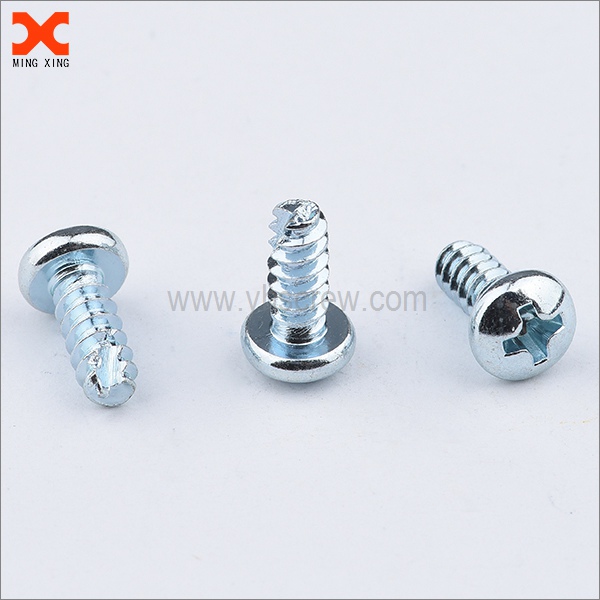
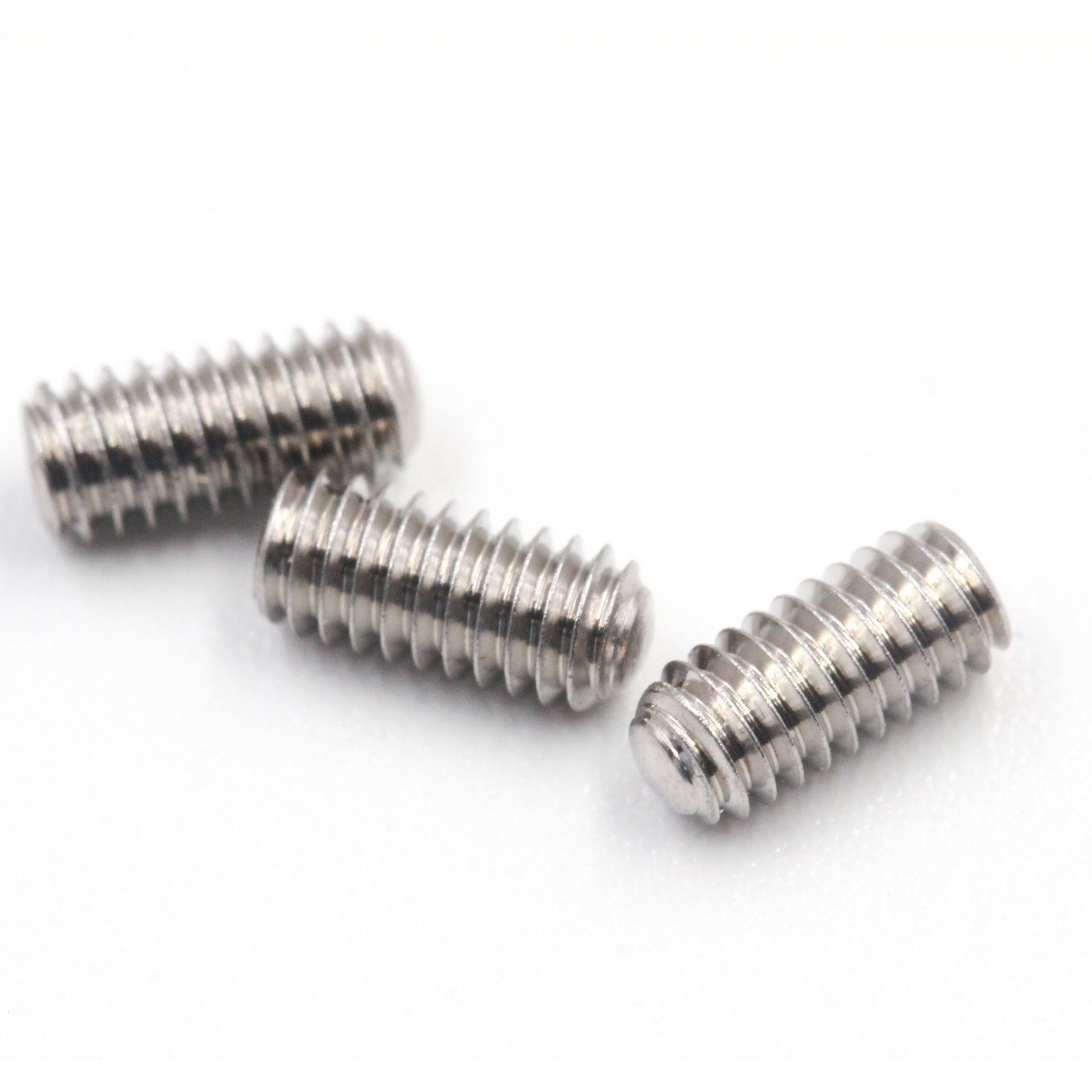
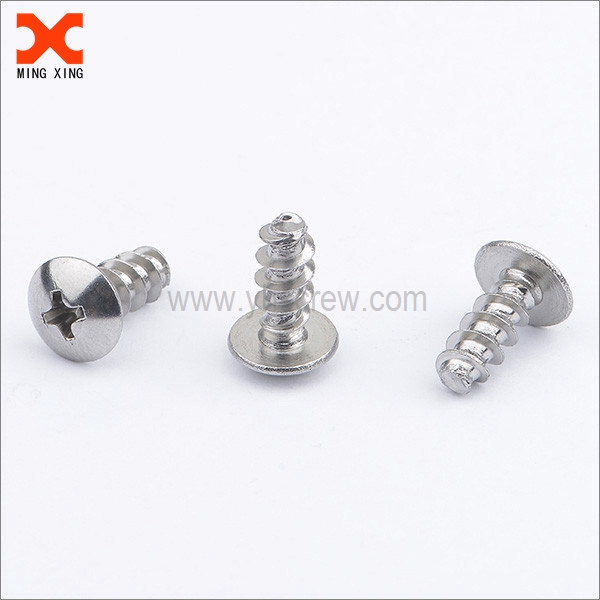
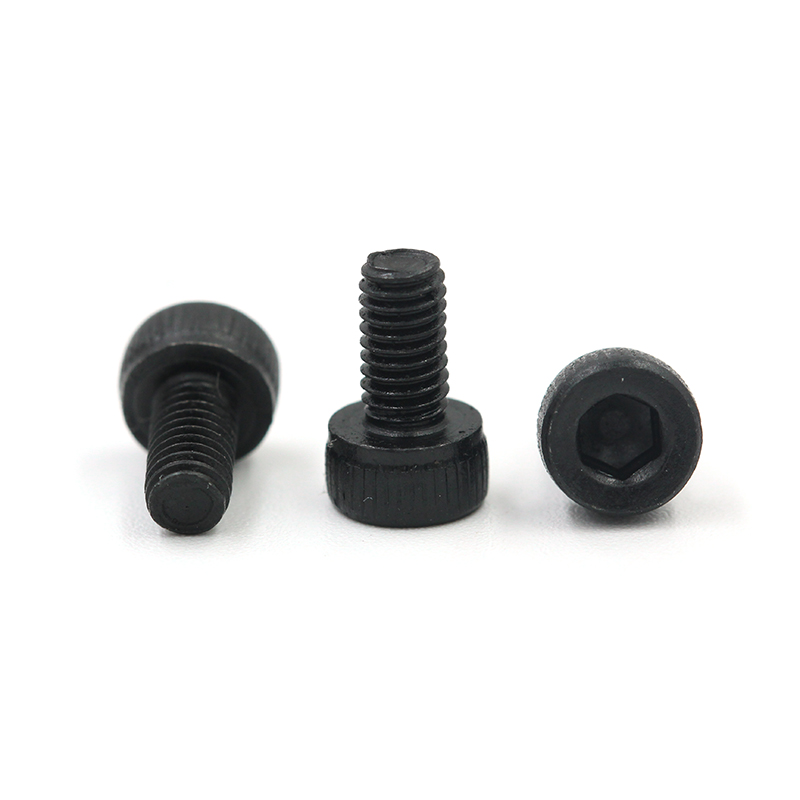
From our shop to your plant, I’m a China-based manufacturer proudly offering thread cut screws designed for high-stress assemblies. I focus on precision, durability, and fast delivery for OEMs and distributors worldwide. Our thread cut screw features crisp threads, uniform pitch, and strong steel heat-treated for fatigue resistance. I stock a wide range of sizes and head styles, and I can tailor thread length, coating, and passivation to meet your application. Whether you need stainless steel, alloy, or carbon steel, I can source quickly through our integrated supply chain. I understand your procurement needs: competitive pricing, consistent quality, on-time shipments, and clear technical documentation. As a Manufacturer, I follow strict QA checks, provide certificates, and offer sample testing before you commit.

Hot Selling Product

thread cut screw Products From Concept to Delivery

Thread cut screws are essential in electronics and precision machinery, where reliability starts with exact threads. The journey from concept to part begins with specs: material, thread type (metric or unified), head style, and coating. In thread-cutting, threads are machined into the blank, giving tight tolerances and clean surfaces for fast, repeatable assembly. Designers translate requirements into drawings and choose materials such as stainless or carbon steel, pairing finishes like zinc, black oxide, or nickel plating to fit the environment. Delivery hinges on a tight production handoff: tool making, prototype validation, and scalable runs. Key steps include first article inspection, process capability checks, and batch traceability. Clear BOMs, lead times, and packaging specs help procurement avoid delays. Compliance with RoHS/REACH, safety standards, and supplier audits reduces risk. Smooth logistics and proactive risk management—from material sourcing to packaging and shipping under agreed terms—deliver reliable global delivery.

thread cut screw Products From Concept to Delivery

Product ID Thread Type Size Material Coating Concept Start Design Complete Prototype Count Test Status Manufacturing Method Units to Produce Delivery Date
PTC-001 Metric M6x1.0 Stainless Steel 304 Zinc 2024-01-10 2024-01-25 3 Pass Cold Forming 5,000 2024-02-28
PTC-002 UNC 1/4-20 Alloy Steel Black Oxide 2024-02-02 2024-02-20 5 Pass CNC Machining 7,000 2024-03-30
PTC-003 Metric M4x0.7 Stainless Steel 316 Nickel Plating 2024-03-15 2024-03-30 4 Pass Cold Forming 12,000 2024-05-12
PTC-004 UNC 1/2-13 Alloy Steel Zinc 2024-04-01 2024-04-18 6 Pass Cold Forming 9,000 2024-06-01
PTC-005 Metric M3x0.5 Stainless Steel 304 Uncoated 2024-05-05 2024-05-14 2 Pass CNC Machining 2,000 2024-07-15
PTC-006 UNC 3/8-16 Alloy Steel Zinc 2024-06-10 2024-06-25 3 Pass Casting + Machining 1,500 2024-08-12
PTC-007 Metric M8x1.25 Stainless Steel 316 Black Oxide 2024-07-01 2024-07-16 5 Pass CNC Machining 8,000 2024-09-21
PTC-008 Metric M5x0.8 Stainless Steel 304 Nickel Plating 2024-07-20 2024-08-04 4 Pass CNC Machining 6,500 2024-10-05

Related Products

banner (3)

thread cut screw Delivers Unmatched Quality Guarantees Peak Performance

Thread Cut Type Impact on Peak Performance

Fine Standard Precision Heavy-Duty Grooved Knurled 78 92 88 75 66 83

Data Dimension: Thread Cut Type Impact on Peak Performance

Explanation: This chart demonstrates how a single data dimension—Thread Cut Type—relates to peak performance in threaded components. The six categories (Fine, Standard, Precision, Heavy-Duty, Grooved, Knurled) simulate variations in manufacturing approach, tool geometry, and surface finishing that affect how reliably a screw thread engages mating parts. The Peak Performance score, on a 0-100 scale, integrates factors such as fit accuracy, load transfer efficiency, fatigue resistance, and wear behavior observed under standard testing conditions. The data points are synthetic for visualization purposes, but the pattern aligns with engineering intuition: more controlled and uniform cutting processes tend to yield higher scores, with Precision and Standard cuts achieving the top end of the spectrum. Fine cuts often deliver near-high scores due to tighter tolerances, but their production costs and tool wear can offset advantages in some scenarios. Heavy-Duty cuts are designed for rugged use; while they can sustain elevated loads, the surface microstructure may introduce minor variability in engagement, leading to mid-range performance in this dataset. Grooved cuts, which introduce deliberate surface features to reduce friction or aid lubrication, sometimes compromise uniform engagement, reflected by lower scores in this particular metric. Knurled cuts provide enhanced grip in some assemblies but can create localized stress concentrations or debris traps, reducing peak performance relative to more uniform finishes. From the chart, we can see a pattern where higher scores cluster around the Standard and Precision cuts, with Fine and Knurled occupying intermediate positions, and Grooved trailing. The takeaway is that selecting a thread cut type should consider the application’s demands: high-precision interfaces and critical load paths benefit from standardized, tight-tolerance cuts, while cost-sensitive, high-throughput production might accept a slightly lower peak score in exchange for manufacturing efficiency. This single-dimension view is informative but limited; real-world decisions should rely on multi-factor testing, including material properties, lubrication, assembly methods, temperature effects, and long-term wear to ensure robust product performance.

Top Selling Products