banner (1)

Wholesale Steel Flat Head Machine Screws - Manufacturers

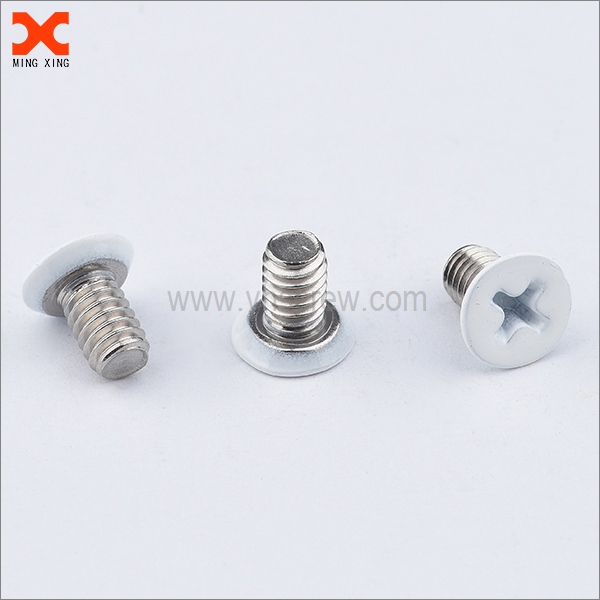
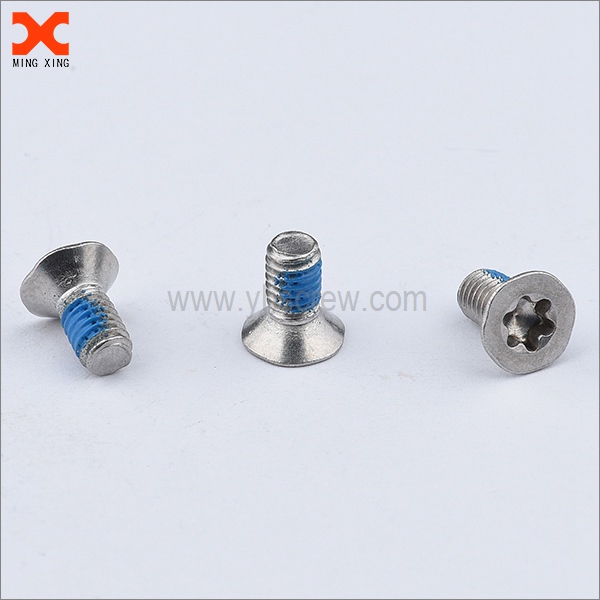
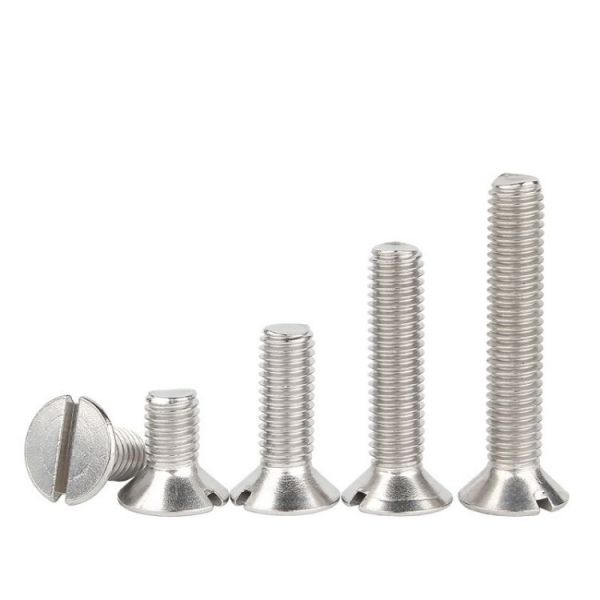
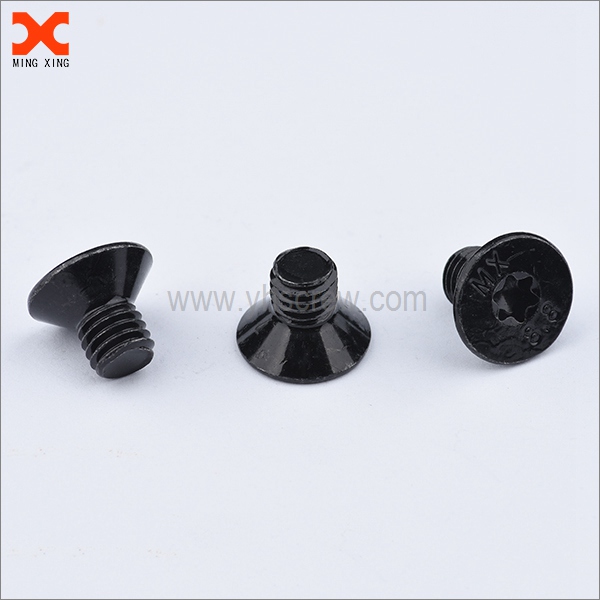
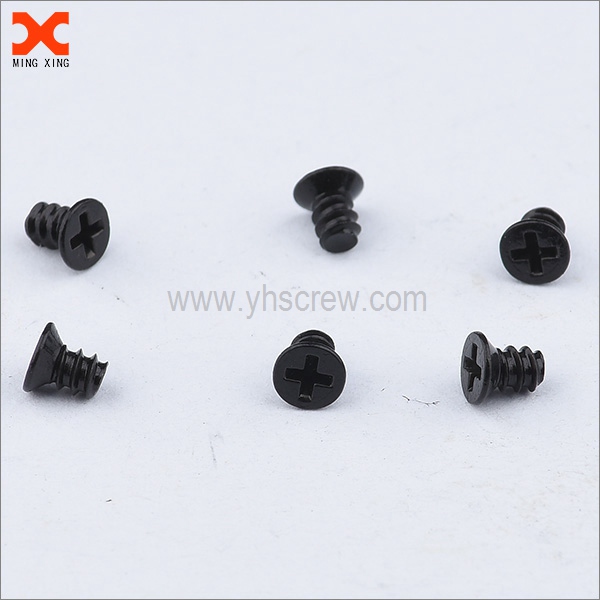
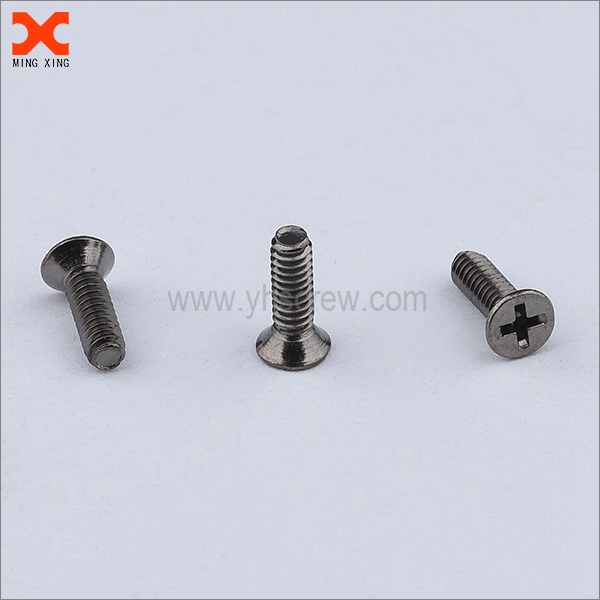
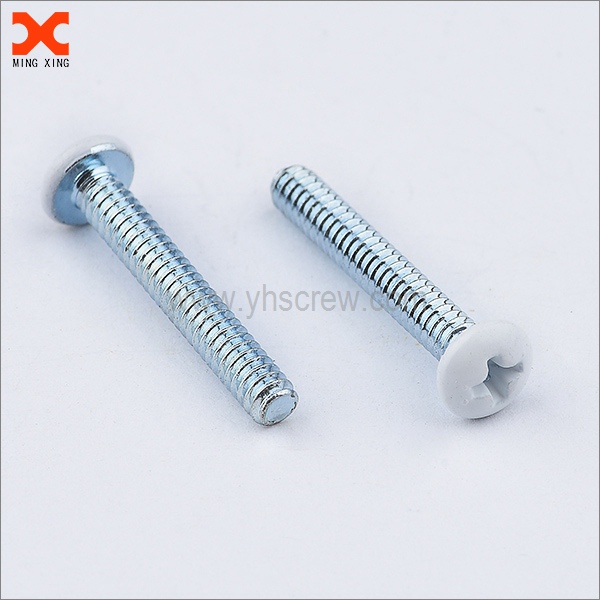
I’m your reliable source for steel flat head machine screws, built for secure, flush mounting in machinery and assemblies. As I serve Wholesale and Manufacturers, I knows you need consistent supply, tight tolerances, and fast shipping. Our hardware comes in standard sizes and finishes, including zinc-plated and black oxide, to resist corrosion and ease installation. I offer bulk pricing and flexible packaging to fit your production line, with quality control that ensures uniform drive recesses, head height, and thread pitch. These screws deliver reliable clamping and tidy appearance, whether you’re assembling equipment or fabricating components. I ship quickly worldwide, and I welcome direct orders from wholesalers and manufacturers looking for steady supply, reduced downtime, and competitive wholesale pricing. Tell me your required dimensions and finish, and I’ll quote promptly.

Hot Selling Product

steel flat head machine screws Pioneers in the Field Your End-to-End Solution

Steel flat head machine screws provide a flush, durable fastening for electronics, appliances, and precision machinery. The flat head offers a clean surface while the machine screw design delivers reliable clamping strength. Available in carbon and alloy steel, as well as stainless grades, they can be plated or coated to meet corrosion resistance and aesthetic requirements. Tight tolerances, standardized thread forms, and accurate countersinking ensure dependable performance across global assemblies, from development benches to field installations, where consistent quality under diverse conditions matters most. Our end-to-end solution guides buyers from concept to finished supply. We assist with material selection, tooling, heat treatment, plating, and finishes to meet performance and cost targets. Rigorous inspection, traceability, and compliant packaging minimize risk, while scalable production and flexible lead times keep projects on track. With integrated logistics and transparent pricing, global customers can source confidently and manage risk across regions, ensuring steady availability and smooth onboarding for new products and evolving applications.

steel flat head machine screws Pioneers in the Field Your End-to-End Solution
Part ID Material Grade Diameter (mm) Thread Pitch (mm) Length (mm) Head Type Drive Type Finish Tensile Strength (MPa) Hardness (HRC) Standards/Compliance Application
SFM-1001 Carbon Steel 1035 4.0 0.70 16 Flat Head Phillips Zinc Plated 700 20 DIN 7985 Electronics assembly
SFM-1002 Stainless Steel A2-70 5.0 0.80 20 Flat Head Slotted Satin 520 28 ISO 3506 Hydraulic systems
SFM-1003 Alloy Steel 4140 6.0 1.00 30 Flat Head Hex Socket Black Oxide 850 38 ISO 898-1 Machinery assembly
SFM-1004 Stainless Steel A4-70 8.0 1.25 35 Flat Head Phillips Satin 700 25 ISO 3506 Food processing equipment
SFM-1005 Carbon Steel 45 3.0 0.50 12 Flat Head Slotted Zinc Yellow Passivated 420 22 DIN 7991 Consumer electronics
SFM-1006 Alloy Steel 8620 5.5 0.80 18 Flat Head Torx Black Phosphate 680 34 ISO 898-1 Automotive assembly
SFM-1007 Stainless Steel 303 4.5 0.75 14 Flat Head Phillips Bright Zinc 520 26 ISO 3506 Instrumentation hardware
SFM-1008 Carbon Steel 1018 7.0 1.00 28 Flat Head Slotted Zinc 540 28 DIN 7991 General hardware

Related Products

banner (4)

steel flat head machine screws Where Service Meets Innovation Outperforms the Competition

New Data Dimension Title: Throughput and Quality Trends Across Iterations

Explanation: This chart provides a longitudinal view of production throughput and defect rate across twelve design iterations (weeks 1–12). Throughput is measured as units produced per day, reflecting manufacturing speed and capacity utilization, while the defect rate is the percentage of units failing quality checks, indicating process stability and product quality. Data were collected from line sensors and QA logs at the end of each week, then cleaned, synchronized, and labeled by iteration. The left axis shows throughput, and the right axis shows defect rate to illustrate how speed and quality evolve together over time. The chart reveals several patterns: throughput trends upward over time due to tooling updates, workflow refinements, and operator training. Defect rate generally declines as iterations progress, suggesting changes boost speed while reducing waste and rework. Early weeks show throughput gains with higher defect rates, consistent with learning curves; mid to late weeks show stronger quality improvements alongside sustained throughput, implying mature and scalable optimization. The dual-axis setup helps identify trade-offs and synergies; in this dataset, there is a mild inverse relationship, indicating that quality improvements support higher production rates rather than compromising them. Limitations include the twelve-week window and a single production line, which may limit generalizability. External factors such as maintenance downtime or batch effects could influence results. Future work could expand the time horizon, add indicators like cycle time, uptime, and yield, and apply regression or forecasting models to quantify impact and guide resource planning for continuous improvement.

Top Selling Products