banner (1)

Stainless Steel Turning Part China Manufacturer for Precision Parts

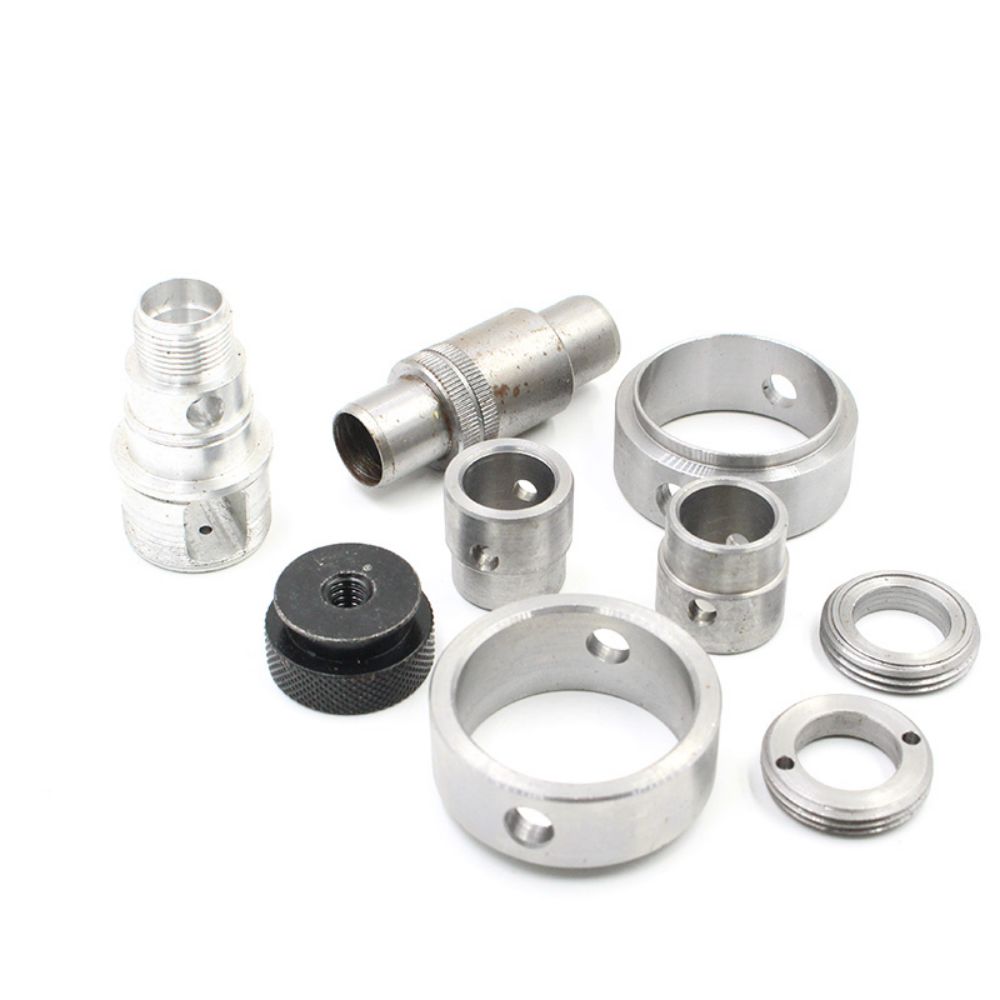
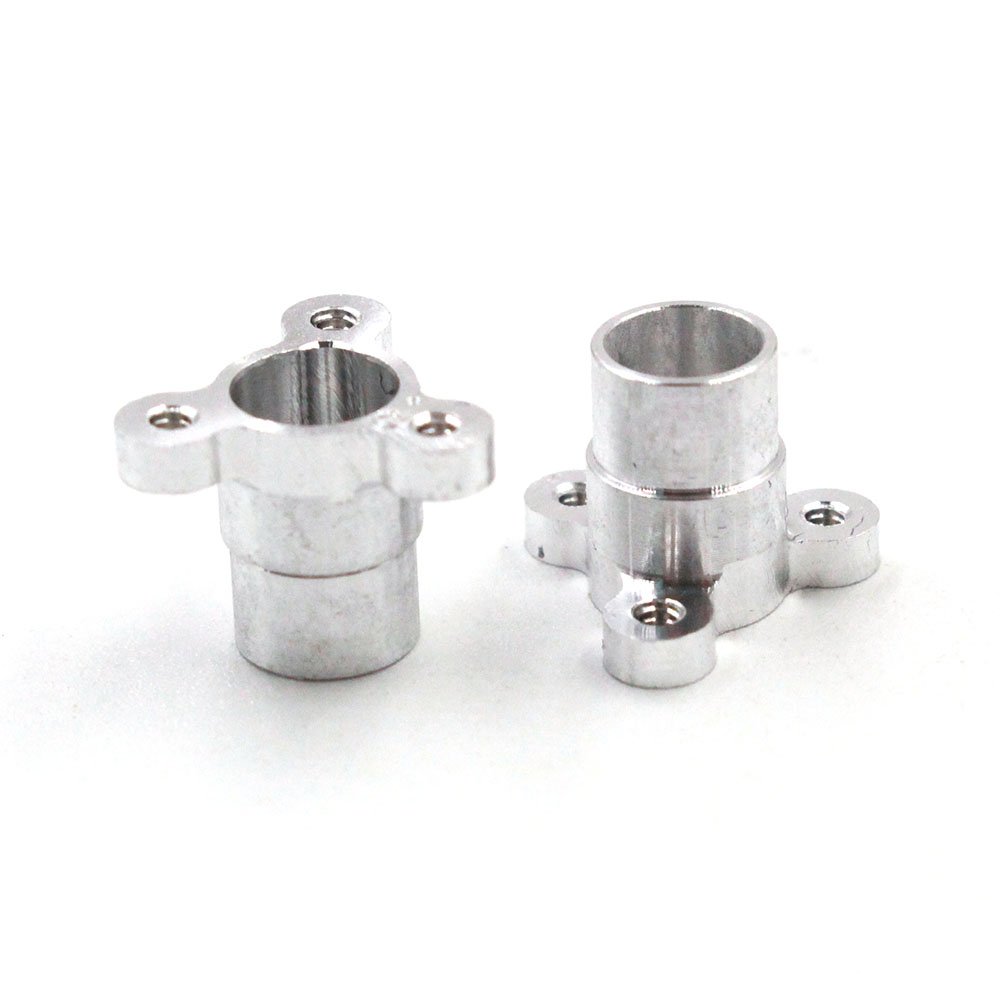
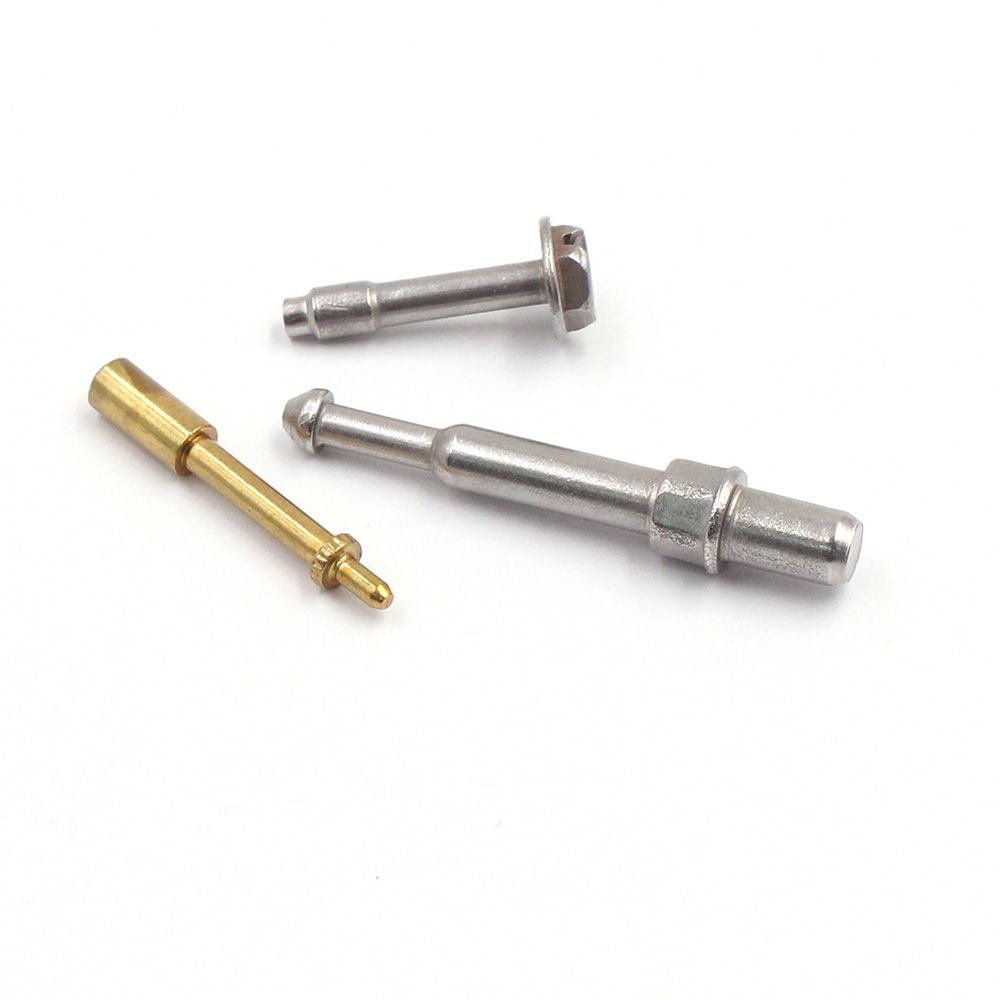
As a China-based manufacturer, I help B2B buyers secure dependable Stainless Steel Turning Part components tailored to their exact specs. You can count on me for precision turned parts with tight tolerances, smooth surface finish, and consistent batch-to-batch quality. I work with 304 and 316 stainless steel, offering machining options like deburring, passivation, and electro-polishing. Whether you need small runs or high-volume production, I provide scalable lead times, competitive pricing, and OD/ID turning, shaft and flange features, grooves, knurls. My quality assurance includes 100% inspection, material traceability, and compliance with ISO9001. I welcome ODM/OEM requests and design-for-manufacture feedback to optimize manufacturability in China and beyond. If you are seeking a reliable supplier from China to support your assembly lines, I am ready to partner with you for long-term success.

Hot Selling Product

Stainless Steel Turning Part Factory Is The Best

Stainless steel turning parts are the silent backbone of many high-demand applications—from medical devices to automotive components. A turning parts factory that combines precise CNC turning, multi-axis milling, and reliable secondary processes delivers parts that meet tight tolerances, smooth surfaces, and strong corrosion resistance. Global buyers look for consistent quality, strict process control, and traceability from raw material to finished part. Beyond precision, the best suppliers offer scalable production, flexible lead times, and turnkey support. In-house inspection with coordinate measuring machines, first article inspection, and certifications such as ISO 9001 ensure every batch stays compliant. Efficient material handling, value-added finishing (passivation, electro-polish, coating), and packaging designed for international shipping help shorten the supply chain while reducing risk. Choosing the right partner means assessing capability, communication, and reliability: clear documentation, realistic lead times, responsive technical support, and a commitment to continuous improvement. The most trusted stainless steel turning manufacturers collaborate with customers early in design, optimize manufacturability, and ensure consistent performance across global orders, even in demanding environments.

{ Stainless Steel Turning Part Factory Is The Best}
Part ID Category Material Grade Outside Diameter (mm) Length (mm) Tolerance (± mm) Surface Finish Ra (μm) Process Type Dimensional Stability (ppm) Heat Treatment Certification Monthly Production Capacity (pcs) Lead Time (days) Remarks
P-SS304-001 Fastener 304 12.0 40.0 ±0.03 0.6 CNC Turning 20 Annealed ISO 9001 25000 10 General fastener piece
P-SS316L-002 Shaft 316L 16.0 80.0 ±0.02 0.5 CNC Turning 15 Solution Anneal ISO 9001; ISO 14001 18000 14 Corrosion resistant
P-SS304-003 Spacer 304 20.0 25.0 ±0.03 0.8 Precision Turning 25 None ISO 9001 40000 8 Spacer component
P-SS316-004 Valve Pin 316 8.0 60.0 ±0.02 0.6 CNC Lathe 12 Passivation ISO 9001; RoHS 32000 9 High corrosion resistance
P-SS303-005 Bearing Sleeve 303 24.0 90.0 ±0.05 1.0 Swiss Turning 18 Annealed ISO 9001 15000 16 Non-magnetic
P-SS304-006 Connector Pin 304 10.0 30.0 ±0.04 0.9 CNC Turning 14 None ISO 9001; RoHS 28000 11 Precision connector

Related Products

banner (3)

Stainless Steel Turning Part Ahead of the Curve Outperforms the Competition

Turning Part Performance Index — 12-Month Trend

This 12-month series plots a Cutting Precision Index (0–100 scale) comparing a stainless steel turning part's performance against the industry average. The dataset shows sustained improvement in the turning part’s precision, beginning at an index of 78 and steadily climbing to 98 by month twelve. The industry average follows a much flatter trajectory, starting near 70 and slowly rising to 79. The gap widens especially after month four, indicating process optimizations, tighter tolerances, or improved tooling for the turning part that yield measurable gains. Monthly fluctuations are minimal, which suggests consistent process control rather than sporadic spikes. The turning part’s curve demonstrates both higher absolute performance and a steeper positive slope — evidence of superior continuous improvement relative to peers. Operationally, this can be interpreted as reduced rework, fewer out-of-spec components, and improved first-pass yield. From a quality management perspective, the divergence between the two lines highlights a competitive advantage: the turning part achieves near-peak performance by month nine and sustains it through month twelve. For practitioners, the chart suggests that incremental investments made earlier in the year paid off with cumulative gains later; if the same interventions are applied across more product lines, similar improvements might be realized. In procurement and production planning, such evidence supports prioritizing suppliers or processes that maintain steep improvement trajectories. Finally, the visual trend serves as a baseline for setting future targets — for example, maintaining an index above 95 while narrowing variability — and for designing experiments to further push precision without sacrificing throughput.

Top Selling Products