banner (1)

Stainless Steel Sleeve Nut - China Manufacturer

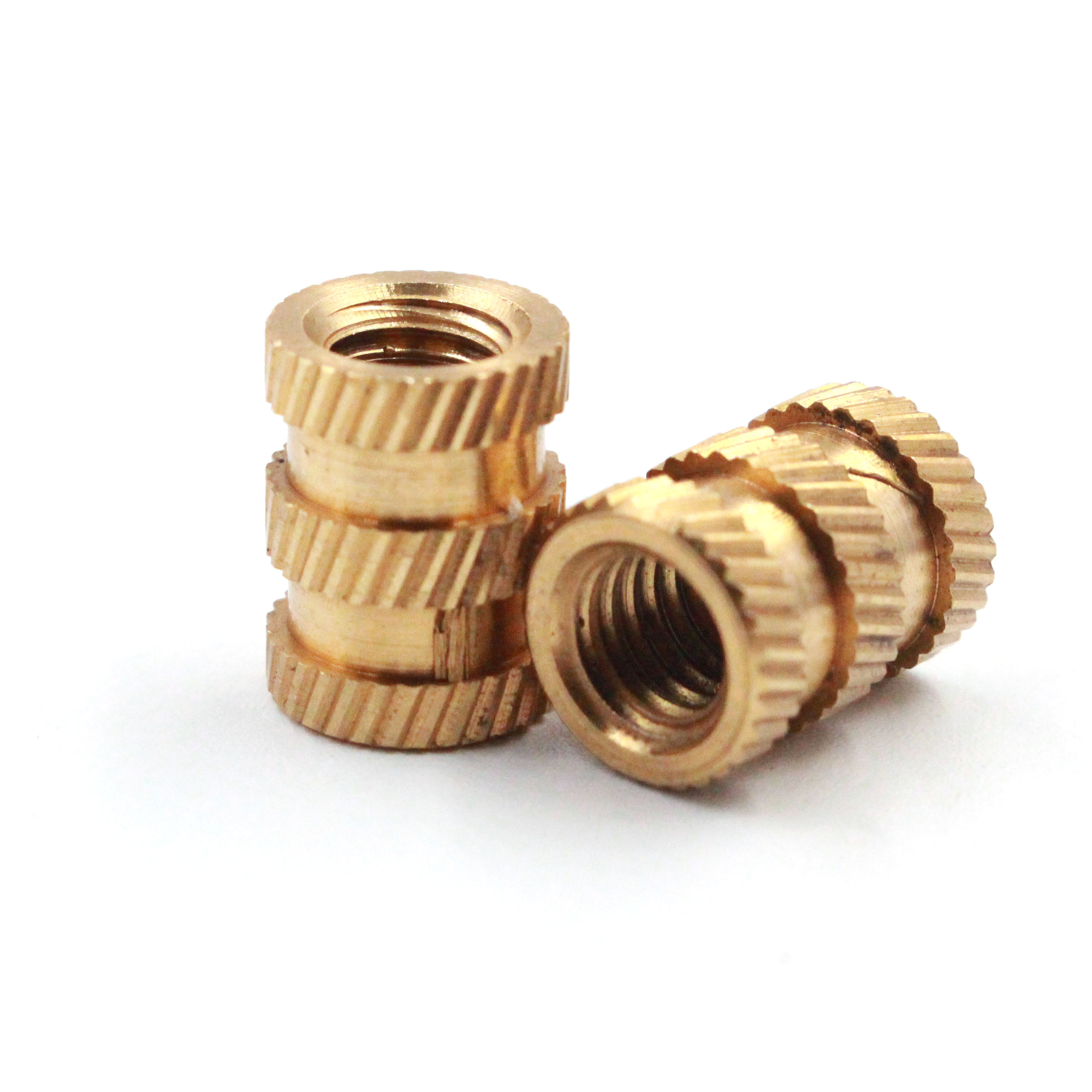
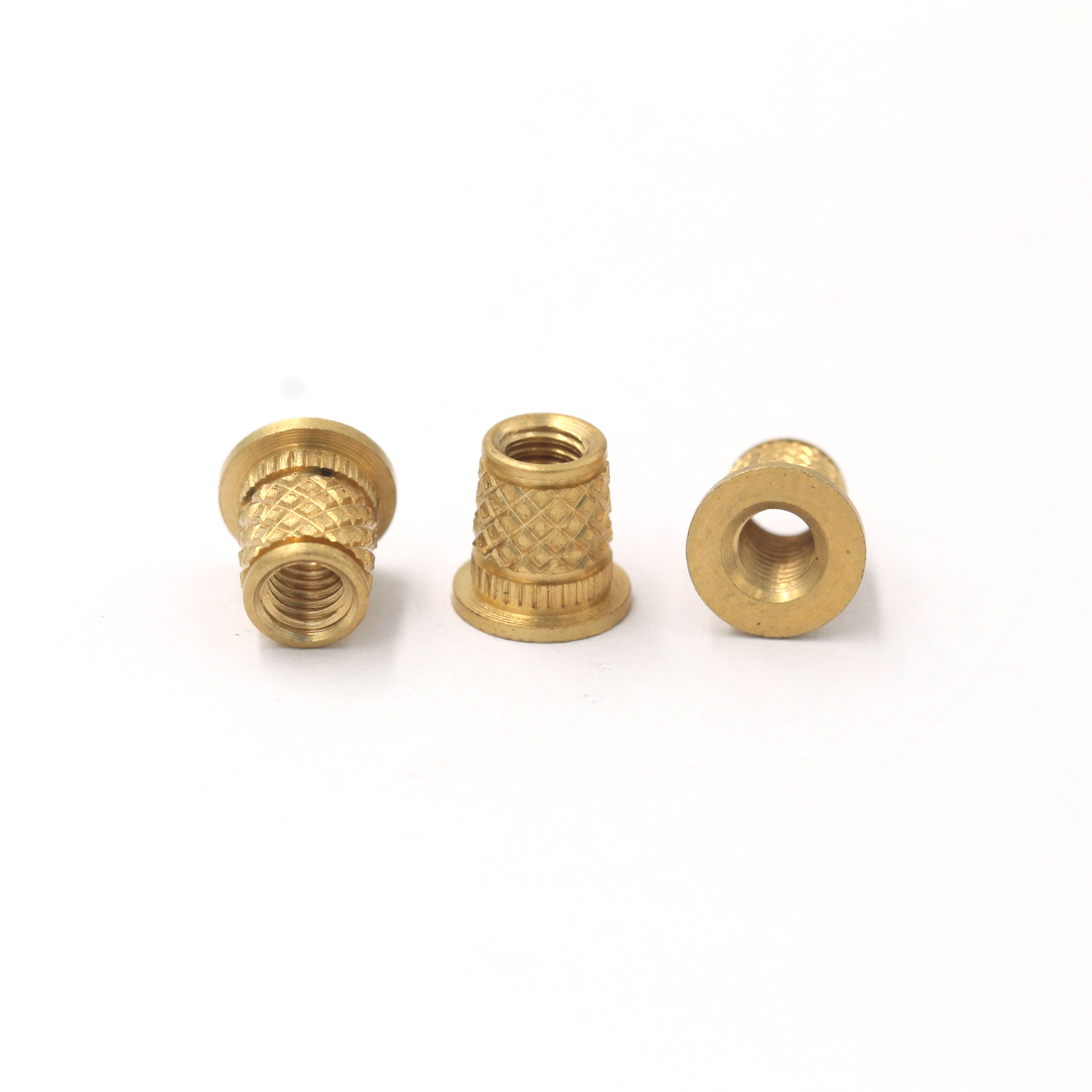
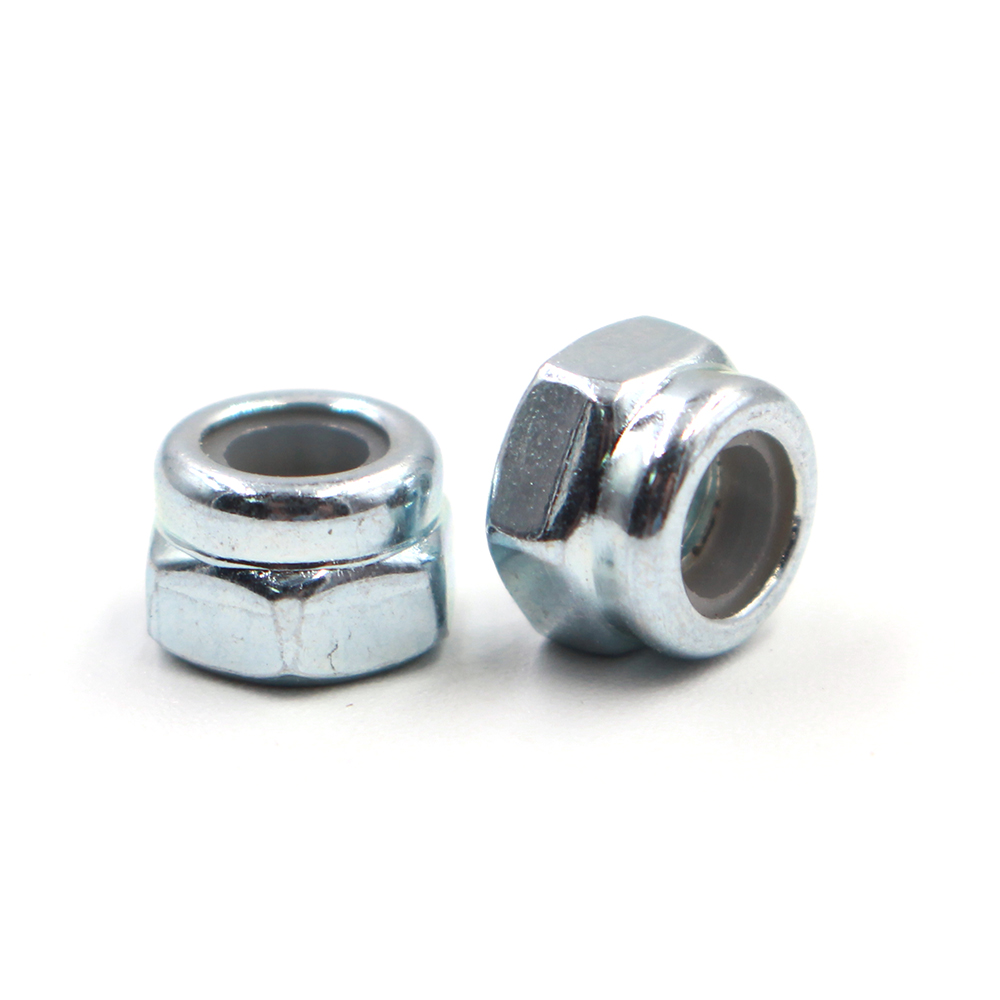
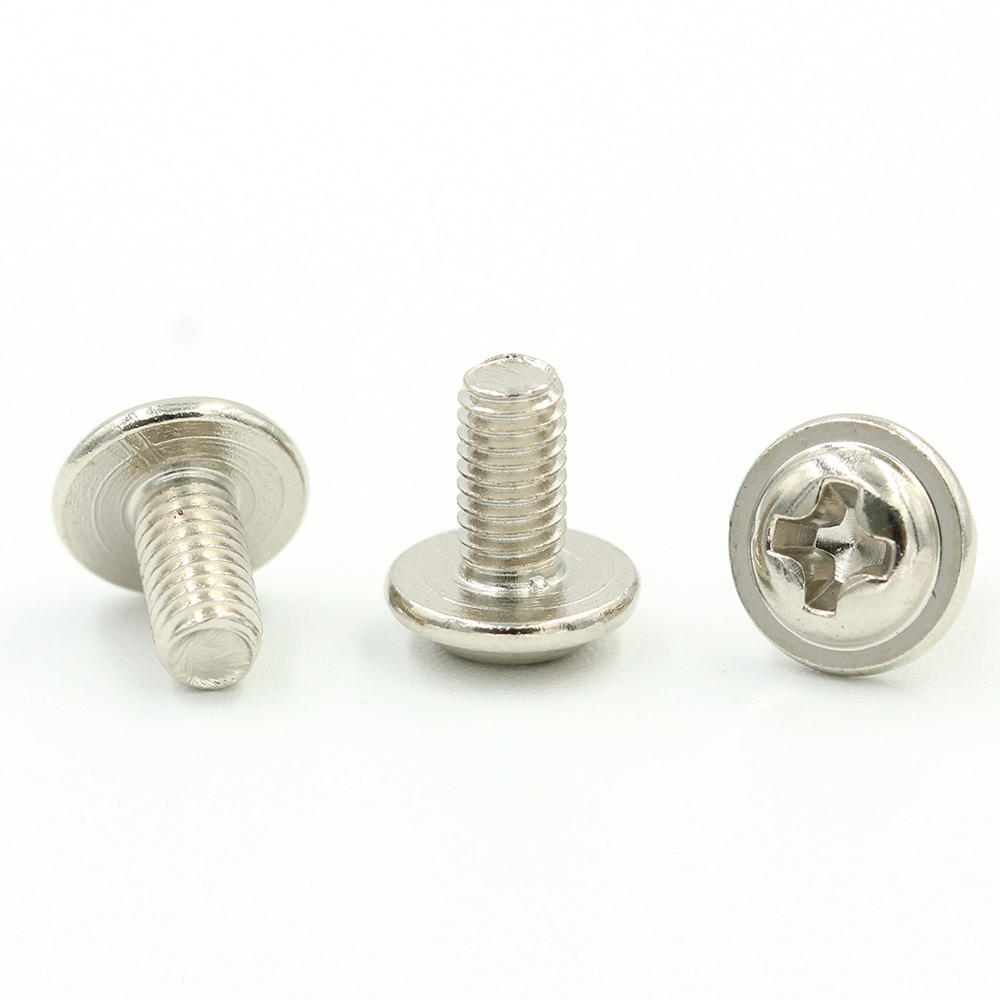
From my workshop, the stainless steel sleeve nut I offer is designed for high-load assemblies and corrosive environments. As a China Manufacturer, we combine precision machining with rigorous quality checks to ensure a snug fit and long service life. This stainless steel sleeve nut features a smooth, corrosion resistant surface, tight tolerance, and a strong grip on bolts and studs. It is ideal for automotive, plumbing, and industrial machinery where vibration resistance matters. I stock various sizes and thread pitches to meet your project needs, and we can customize packaging and labeling for OEM requirements. I ship quickly, with documentation and certificates on request, and our team offers technical support and after-sales service. If you are sourcing in China, you can count on our factory to provide reliable supply, fair pricing, and consistent quality. Let me know your quantity and preferred finish, and I’ll get you a timely quote.

Hot Selling Product

stainless steel sleeve nut Service Backed by Expertise Outperforms the Competition

Stainless steel sleeve nuts deliver robust thread engagement in compact assemblies, providing even load distribution and resistance to loosening under vibration. For global procurement, sleeves made from corrosion-resistant stainless steels (304/316 grades) extend service life across automotive, machinery, and industrial equipment. The service supporting these parts combines precise machining, rigorous quality control, and application know-how to help buyers select the right grade and finish. Expert support covers material choice, finish, and customization. From standard sleeves to longer adaptors, engineers tailor dimensions, chamfers, collar features, and integrated washers. Tight tolerances, deburring control, and verified torque performance are confirmed through in-house testing and traceable documentation. Materials are passivated and RoHS-compliant where required; samples and design reviews accelerate approvals and reduce lead times. What truly outperforms the competition is end-to-end reliability: scalable production, proactive capacity planning, and transparent quality management. Batch traceability, consistent metallurgy, and on-time global shipping minimize procurement risk. With a customer-focused service model backed by engineering expertise, buyers gain confidence from initial quote to final delivery, knowing the sleeve nuts meet performance specs under demanding conditions.

Stainless Steel Sleeve Nut Service Backed by Expertise Outperforms the Competition

Size (Sleeve Nut) Material Grade Finish Length (mm) Outer Ø (mm) Internal Thread Tensile Strength (MPa) Corrosion Resistance (1-5) Operating Temperature (°C) Production Method
M6 Sleeve Nut 304 Stainless Steel Passivated 8.5 12.0 M6x1 515 4.7 -50 to 250 Cold-Formed
M8 Sleeve Nut 316 Stainless Steel Passivated 10.5 14.0 M8x1.25 520 4.9 -45 to 260 CNC Machined
M10 Sleeve Nut 304 Stainless Steel Bright Annealed 12.0 16.0 M10x1.5 515 4.6 -50 to 250 Cold-Formed
M12 Sleeve Nut 316 Stainless Steel Passivated 14.0 18.0 M12x1.75 520 4.8 -40 to 260 CNC Machined
M14 Sleeve Nut 304 Stainless Steel Passivated 15.5 20.0 M14x2.0 515 4.5 -50 to 250 Cold-Formed

Related Products

banner (4)

stainless steel sleeve nut Where Service Meets Innovation Outperforms the Competition

数据维度标题:服务创新与客户体验对比维度

Data Insight Title: Aligning Service Innovation with Competitive Performance

This chart tracks two core indicators over 12 months: Service Innovation Index and Customer Experience Index. Both metrics are scaled from 0 to 100, representing perceived value from customers (experience) and the degree of service-related innovations introduced by the organization (innovation). The monthly series show steady improvement in both indicators, with innovation slightly leading in the second half as new capabilities are deployed, while customer experience follows as processes mature. The combined view demonstrates a practical link between the pace of service improvement and customer-perceived quality, suggesting that updates to service design translate into tangible experiences for end users.

Interpretation shows a strong positive relationship: as service innovations accelerate, customers report higher satisfaction. The two lines run roughly in parallel throughout the year, with occasional gaps during major releases. The narrowing gap toward year-end implies that efforts to finalize features and stabilize performance paid off, yielding complementary gains in both metrics. This pattern supports the idea that customer-facing improvements are most effective when technological enhancements are paired with clear service delivery improvements, such as faster response times and consistent issue resolution.

Strategic implications: To sustain gains, organizations should maintain cross-functional governance that ties product engineering, service design, and customer support to a shared scorecard. Regular reviews of the two metrics can forecast shifts in overall performance and help identify whether investments in new features or process optimization yield meaningful customer benefits. The data suggests investments are most effective when aligned with frontline feedback loops, enabling rapid iterations that address real pain points.

Limitations and next steps: The chart presents a simplified view with two indicators. Broader analysis should include additional signals such as defect rates, response time, first-time fix rate, and support volume. Future work could segment data by region, product line, and customer segment to uncover nuanced patterns. Integrating qualitative insights from customer interviews with quantitative trends will enrich interpretation and support action plans. Ultimately, sustaining above-average performance requires not only introducing innovations but ensuring they are perceived as meaningful by customers through reliable delivery and transparent communication.

Top Selling Products