banner (1)

High-Quality Small Head Countersunk Head Machine Screw Supplier

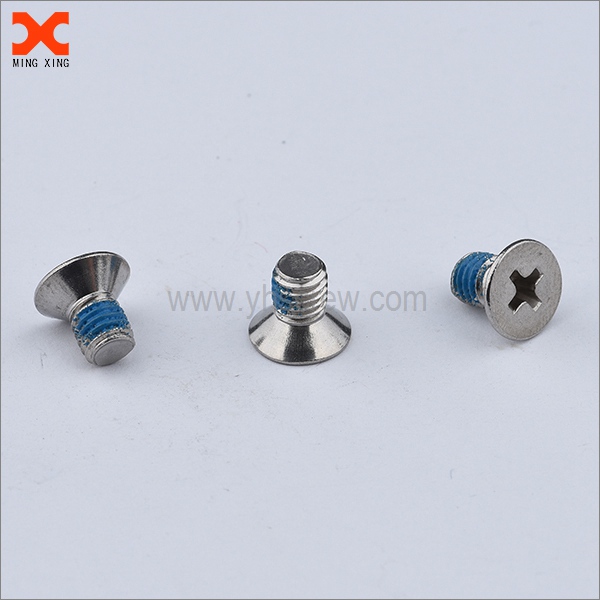
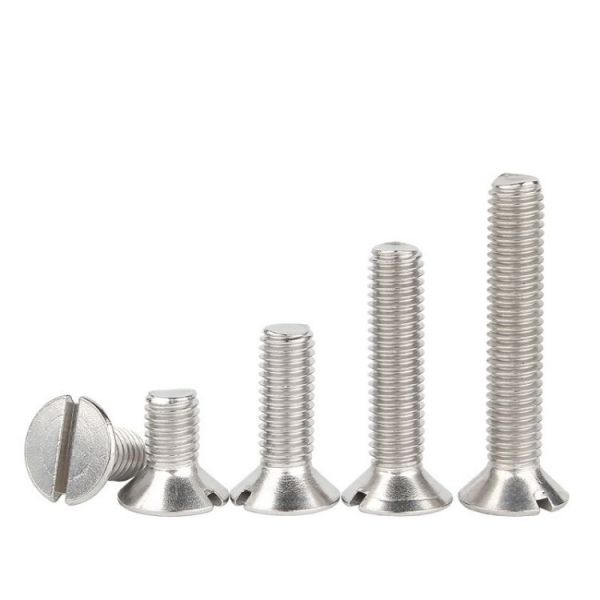
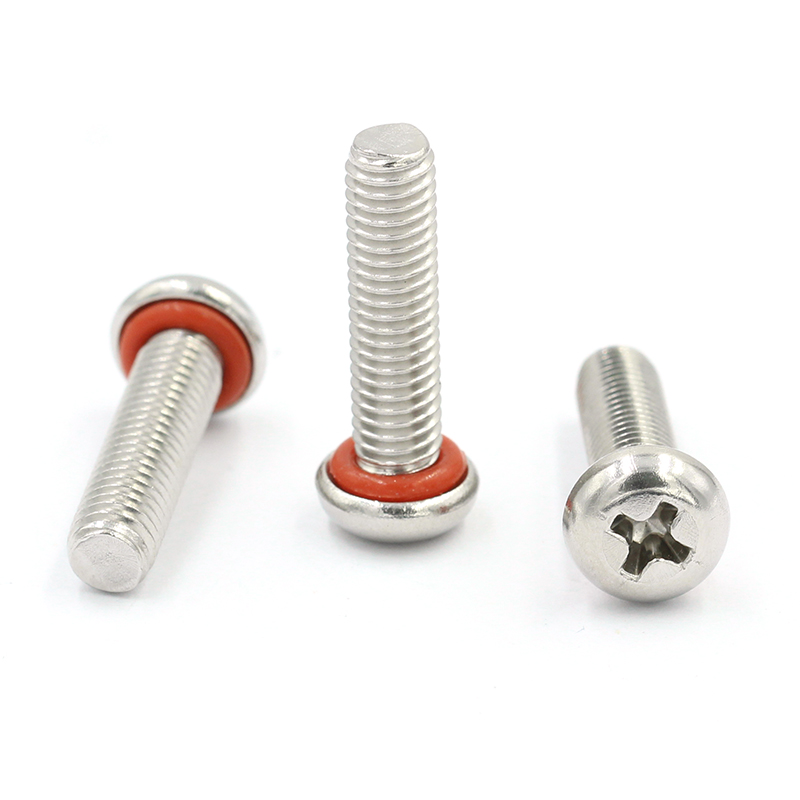
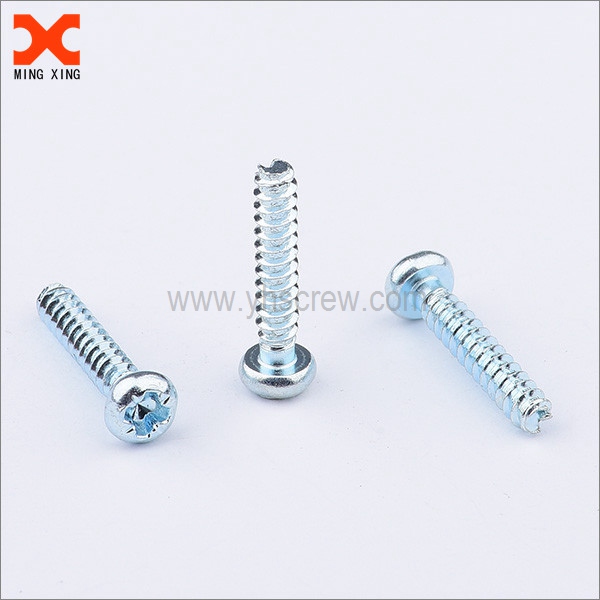
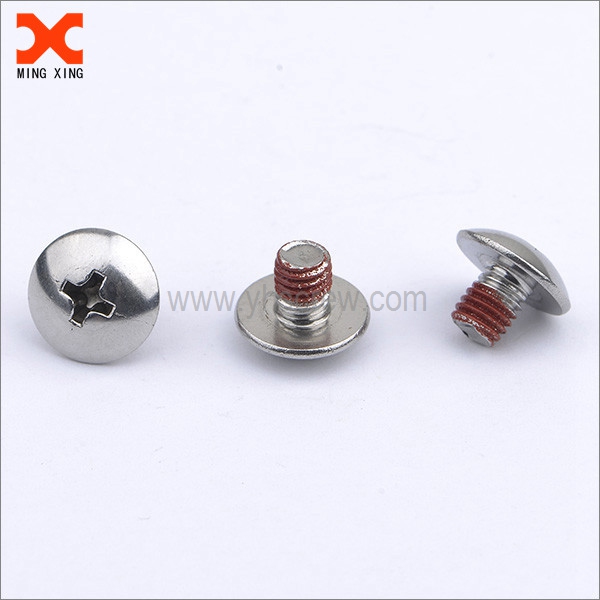
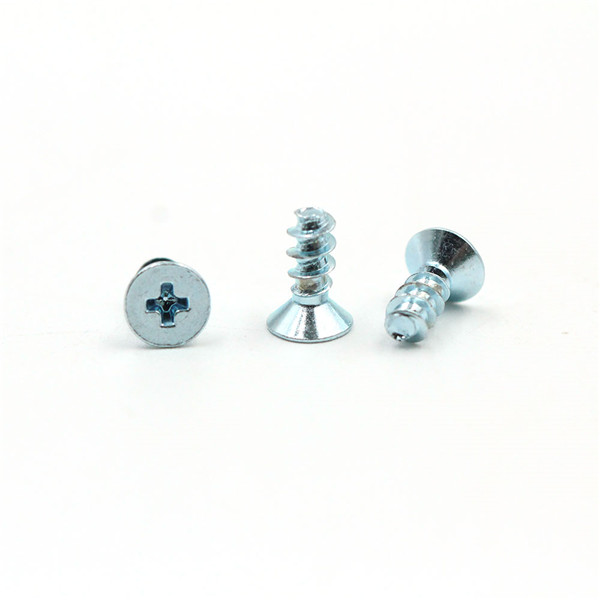
We deliver the small head countersunk head machine screw that your assembly line demands. I am part of a team that acts as a High-Quality Supplier, dedicated to consistency, precision, and on-time deliveries. When you choose our small head countersunk head machine screw, you’ll get tight tolerances, corrosion resistant finishes, and robust material options, including A2 stainless steel, carbon steel with zinc plating, and heat-treated variants. We offer MOQ terms, standard metric sizes 2mm to 10mm, thread forms to match DIN/ISO, and countersunk flush heads for clean joints. I personally ensure that packaging is secure and labeling is clear for fast sourcing. Our lead times are short and scalable for large orders, with flexible MOQ for trials. If you’re looking for a dependable High-Quality Supplier who can support your production with consistent supply of the small head countersunk head machine screw, we’re ready to partner.

Hot Selling Product

small head countersunk head machine screw Dominates Supplies the World\u2019s Top Brands

Across electronics, automotive, and consumer devices, small head countersunk machine screws are essential for compact, flush assemblies. A reliable supply minimizes design risk, reduces rework, and speeds time-to-market. Precision threading, consistent head profiles, and tight tolerances ensure parts seat cleanly and endure demanding conditions, earning them a place in sophisticated products. For procurement leaders, the key differentiators are standards compliance, material options, and finishes, plus rigorous QA and traceability. Seek DIN/ISO compatibility, stainless steel or alloy variants, corrosion-resistant finishes, and proven torque performance. Combine clear lead times, scalable production, transparent packaging, and sustainable manufacturing to secure a steady, cost-effective supply to leading brands worldwide.

{ small head countersunk head machine screw Dominates Supplies the World’s Top Brands }
Size (Nominal) Head Type Material Finish Length (mm) Strength Typical Applications
M3 x 0.5 Countersunk Stainless Steel A2 (304) Passivated 8 A2-70 Electrical enclosures and electronics assemblies
M4 x 0.7 Countersunk Stainless Steel A4 (316) Polished 12 A4-80 Marine equipment and outdoor installations
M4 x 0.7 Countersunk Carbon Steel Zinc Plated 16 8.8 General machinery and panels
M5 x 0.8 Countersunk Carbon Steel Black Oxide 20 8.8 Automotive interiors and dashboards
M6 x 1.0 Countersunk Carbon Steel Zinc Plated 25 10.9 Machinery assemblies and enclosures
M8 x 1.25 Countersunk Stainless Steel A2 (304) Passivated 28 A2-70 Electronics chassis and consumer appliances

Related Products

banner (4)

small head countersunk head machine screw Service Where Innovation Meets 2025

Data Dimension: Feature Adoption Index Over Time for Small Head Countersunk Head Screws

Explanation: This chart presents a data-driven view of feature adoption within the small head countersunk screw family during the first half of 2025. The core data dimension is the Adoption Index, a normalized metric ranging from 0 to 1 that captures how often a specific head type is selected relative to total orders, adjusted for product mix and supply dynamics. Each line represents a distinct head type—Countersunk Head, Flat Head, and Round Head—providing a comparative view of customer preference and market traction over time. The six data points correspond to monthly snapshots from January to June 2025, reflecting cycles of product introductions, marketing activities, and supplier availability that can shift demand. Overall, the Countersunk Head shows the strongest growth trajectory, rising from roughly 0.42 to 0.65, which may indicate advantages in flush seating, load distribution, or aesthetics in target assemblies. Flat Head demonstrates steady but slower growth, moving from about 0.35 to 0.54, suggesting solid demand yet stronger competition from alternative geometries or established tooling ecosystems. Round Head remains the most conservative line, yet it gains momentum through mid-period applications that demand lighter or less invasive seating. The data suggests a positive relationship between feature introduction and adoption, but the pace is heterogeneous across head types due to differing value propositions, manufacturing constraints, and downstream compatibility. Methodologically, the Adoption Index is derived by normalizing order frequency, production share, and customization requests, then smoothing month-to-month fluctuations. This visualization can inform tooling investments, standardization decisions, and the timing of marketing efforts to better align with procurement cycles. In essence, the chart highlights how targeted design innovations translate into tangible demand shifts within a competitive screw-assembly landscape.

Top Selling Products