

Wholesale Six Lobe Screws - Manufacturers
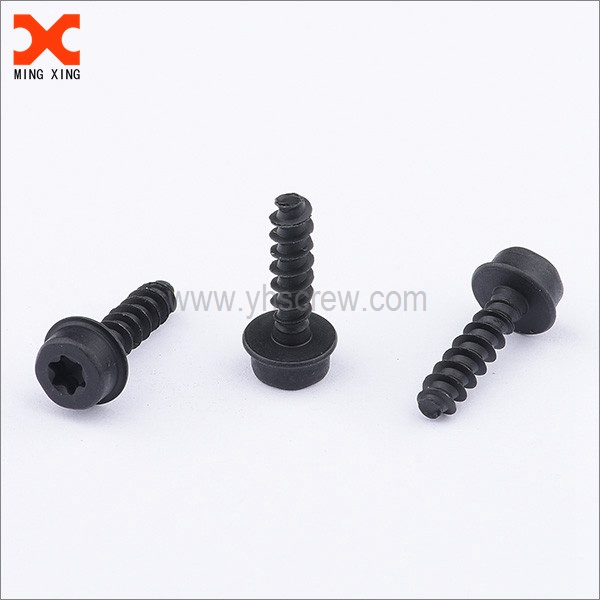
We are your go-to source for six lobe screws, engineered for precise drive engagement, high torque transfer, and secure seating in demanding assemblies. As a trusted partner for Wholesale buyers and Manufacturers, we offer flexible MOQs, bulk pricing, and dependable lead times. Our six lobe screws are available in stainless steel or alloy steel, with zinc plated or black oxide finishes to resist corrosion in challenging environments. The six-lobe drive design provides excellent anti-slip performance and tamper resistance, reducing installation time and risk of slipping. We tailor solutions for OEMs with optional surface treatments, custom lengths, and packaging to fit your production line. You can count on us for consistent quality control, documented traceability, and fast quotes. If you want samples or a competitive quote, just tell me your required size, finish, and quantity—I'll get you what you need.


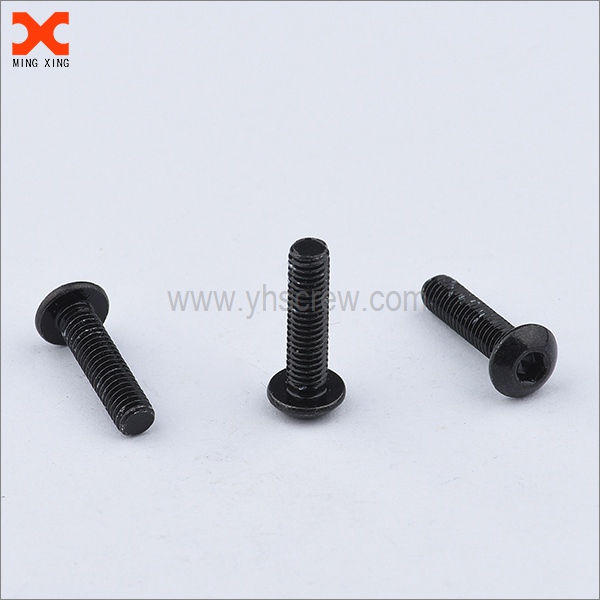
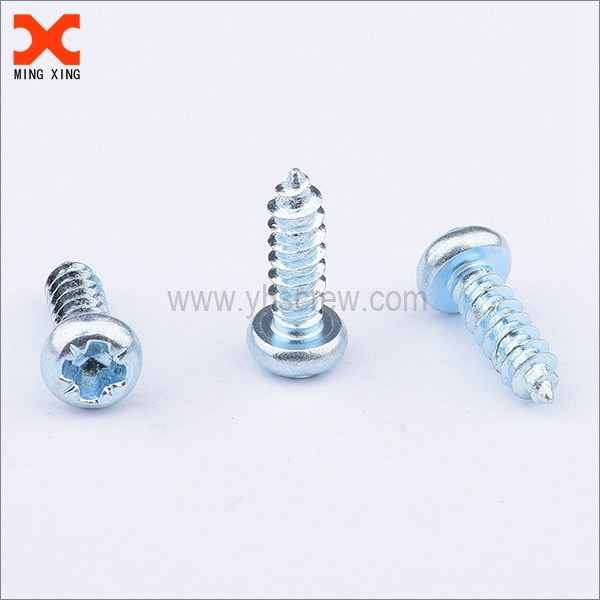
six lobe screws Industry Leaders Ahead of the Curve
Six-lobe screws, or Torx fasteners, are reshaping assembly in electronics, automotive, and industrial equipment. Their six-point star profile yields higher torque transfer with less cam-out, enabling faster automated insertion and longer tool life. The design improves reliability in vibration-prone environments and supports tighter tolerances. With modern coatings and corrosion-resistant alloys, Torx fasteners perform in challenging climates, while standardized sizes and driver interfaces help procurement and field maintenance worldwide. For global buyers, focus on supplier readiness, traceability, and compliance. Seek manufacturers with robust quality systems, RoHS/REACH conformity, and documented material certs. Check lead times, MOQs, packaging, and logistics to fit planning cycles. Favor partners offering pre-shipment testing, certification data, and supply visibility to mitigate outages. By prioritizing consistent quality, reliable data, and responsible sourcing, you stay ahead in a competitive market.
| Leader ID | Region | Sector | Material | Tensile Strength (MPa) | Yield Strength (MPa) | Surface Roughness Ra (µm) | Coefficient of Friction | Compliance Standards |
|---|---|---|---|---|---|---|---|---|
| Leader 1 | North America | Automotive | Stainless Steel 304 | 550 | 320 | 0.90 | 0.20 | ISO 3506-1; ISO 3506-2 |
| Leader 2 | Europe | Aerospace | Titanium Alloy Ti-6Al-4V | 950 | 880 | 0.50 | 0.14 | ISO 5832-3; AMS 4928 |
| Leader 3 | Asia | Electronics | Stainless Steel 316 | 620 | 540 | 0.70 | 0.18 | ISO 3506-1 |
| Leader 4 | Europe | Medical | Stainless Steel 316L | 750 | 560 | 0.60 | 0.12 | ISO 3506-1; ISO 10993 |
| Leader 5 | North America | Construction | Alloy Steel 4140 | 900 | 650 | 0.80 | 0.16 | ASTM A193; ISO 898-1 |
| Leader 6 | Oceania | Industrial Machinery | Aluminum 7075-T6 | 570 | 510 | 0.85 | 0.25 | ISO 898-1 |
Related Products


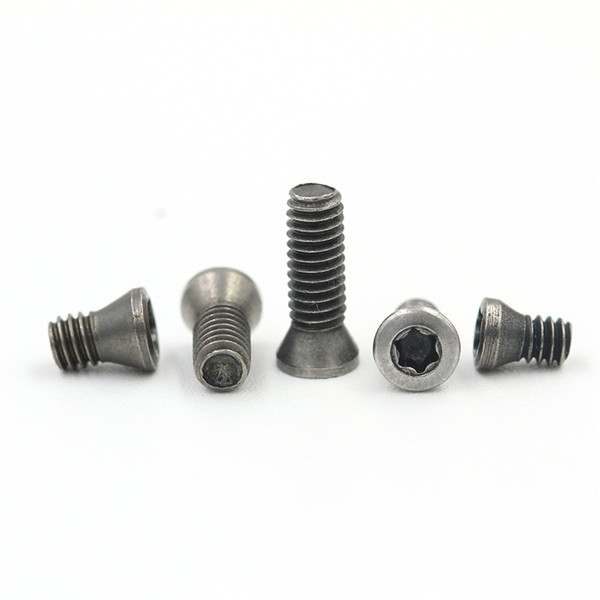


six lobe screws Pioneers in the Field Supplies the World\u2019s Top Brands
Top Selling Products



- Related Blog
- Reviews
- Reviews

-

Phone
-

E-mail
-

Whatsapp
-

WeChat

-

Top


