banner (1)

Self Sealing Fasteners for OEM & Suppliers – Reliable Solutions

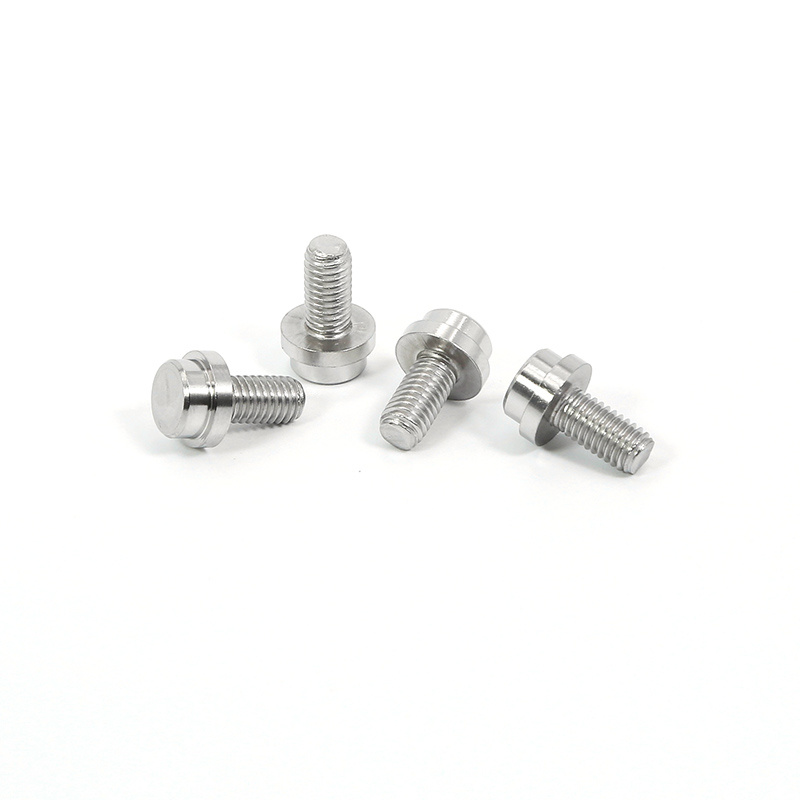
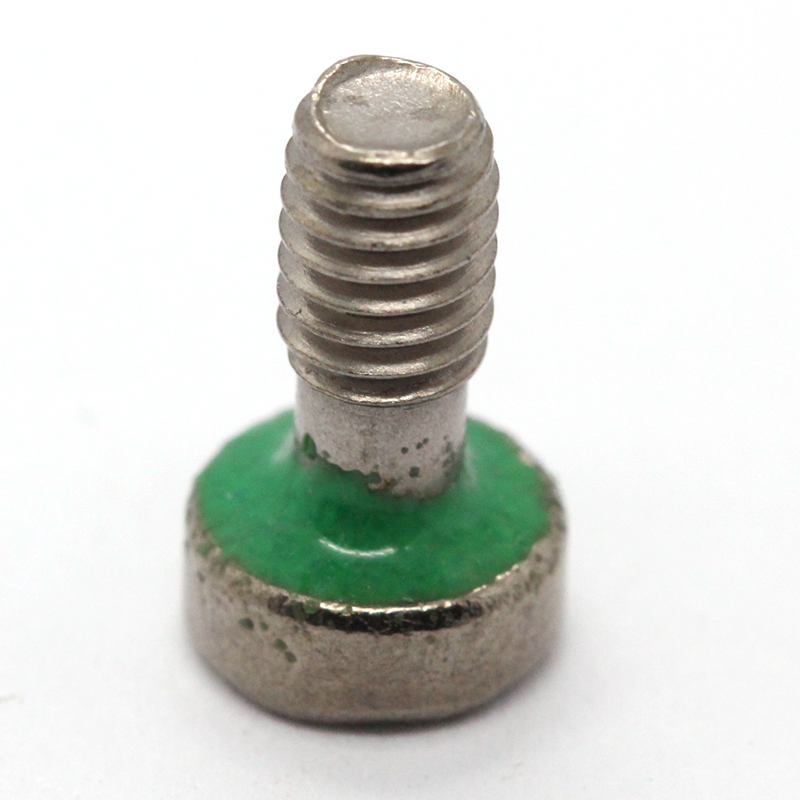
I deliver self sealing fasteners tailored for OEMs and the Suppliers who keep production running smoothly. As a focused supplier, I know what buyers like you expect: reliable sealing, corrosion resistance, fast installation, and consistent performance across batches. Our self sealing fasteners feature built-in gaskets or silicone seals that prevent leaks in automotive, electrical, or construction panels. They are designed for easy tool compatibility, standardized grip lengths, and available in stainless steel, high-strength steel, or coated variants. I offer customizable options: thread size, flange type, material, coating, and packaging to fit your assembly line. With bulk pricing, verified lead times, and on-time delivery, I help you reduce downtime and warranty risk. Our technical support team provides torque charts, sealing performance data, and installation recommendations for OEM applications. If you are an OEM or a Supplier seeking dependable sealing fasteners, I’m ready to partner with you.

Hot Selling Product

self sealing fasteners More Than a Supplier - A Partner Outperforms the Competition

Self sealing fasteners deliver more than a seal: reliability, fast assembly, and predictable performance. A true partner goes beyond stocking parts—anticipating engineering challenges, offering material and process guidance, and ensuring traceable, high-quality outputs across global lines. By aligning rigorous sourcing with scalable manufacturing, a partner provides on-time deliveries, accurate demand signals, and resilient supply that keeps production moving in volatile markets. Global buyers should seek partners who combine technical support, transparent pricing, and digital procurement tools with strict quality control. Look for end-to-end traceability, essential certifications, flexible minimum orders, and multi-sourcing options. A collaborative partner co-creates value through design feedback, rapid prototyping, and efficient logistics, turning procurement into a strategic advantage that boosts speed, cost efficiency, and uptime.

{ self sealing fasteners More Than a Supplier - A Partner Outperforms the Competition}
Parameter Definition Value Unit Notes
Fastener Body Material The base alloy used for the fastener body in sealing assemblies Stainless Steel 304 / 316 Grade Widely used for corrosion resistance in general-purpose sealing applications
Seal Material Material used for the integrated O-ring seal in the head or body FKM (Fluoroelastomer) or NBR (Nitrile) Material FKM provides higher heat resistance; NBR is cost-effective
Seal Hardness Shore hardness of the seal compound used in static sealing 70 Shore A Common compromise between compression set and extrusion resistance
Operating Temperature Range (NBR) Temperature range for NBR seal configurations -40 to 125 Celsius General-purpose sealing with NBR
Operating Temperature Range (FKM) Temperature range for FKM seal configurations -20 to 200 Celsius Higher temperature capability and chemical resistance
Maximum Service Pressure (Sealed Interface) Maximum fluid pressure the sealed interface can withstand 0.5 – 2 MPa Dependent on size and seal geometry
Thread Size Range Supported thread sizes for the self-sealing fasteners M2 – M6 Metric size Common for compact enclosures and electronics
Surface Finish (Head) Roughness of the fastener head to ensure proper seating of the seal 0.8 Ra Lower roughness improves seal seating
Insertion Life Estimated number of insertion cycles before seal degradation 50,000 cycles Depends on material and operating conditions
Leakage Rate Maximum leak rate under static test conditions ≤ 1×10^-6 cc/s Static leak test at 0.5 MPa

Related Products

banner (4)

self sealing fasteners Manufacturer Your End-to-End Solution

Dimension: Production Yield by Manufacturing Stage

100 80 60 40 20 0 Material Preparation Stamping & Forming Sealing & Assembly Finishing & Coating Quality Assurance Packaging & Dispatch Yield (%)
The chart presents a dimension titled Production Yield by Manufacturing Stage, illustrating the percentage of units that pass quality criteria at each stage of the self-sealing fasteners production process in this illustrative dataset. The six stages included are Material Preparation, Stamping & Forming, Sealing & Assembly, Finishing & Coating, Quality Assurance, and Packaging & Dispatch. Each bar represents yield as a percentage, scaled from 0 to 100, enabling quick visual comparison of performance across stages. Higher yields indicate more consistent processing and fewer defects, which can translate to lower rework costs, reduced cycle times, and improved overall equipment effectiveness. The values in this example range from 66 to 97 percent, with the lowest yield occurring during the Sealing & Assembly stage and the highest during Quality Assurance, suggesting where process optimization efforts might yield the greatest returns. In a real-world deployment, this metric would be derived from unit-level data captured in Manufacturing Execution Systems (MES) or ERP, calculated as good units produced divided by total units started within a given batch or time window. Visualizing yield by stage supports targeted continuous improvement initiatives, such as refining sealing tolerances, improving automation at critical transitions, or enhancing inline inspection capabilities. However, yield alone does not capture all performance aspects; it should be complemented with complementary metrics like defect rate, throughput, cycle time, downtime, and scrap reasons for a holistic view. Data quality and sampling frequency will affect interpretation; if data is sparse or biased toward certain shifts, conclusions may be skewed. The chart can be extended with time-series data to show trends, or with stacked bars to incorporate related metrics, offering a more robust dashboard for production optimization and strategic decision-making in fastener manufacturing.

Top Selling Products