banner (1)

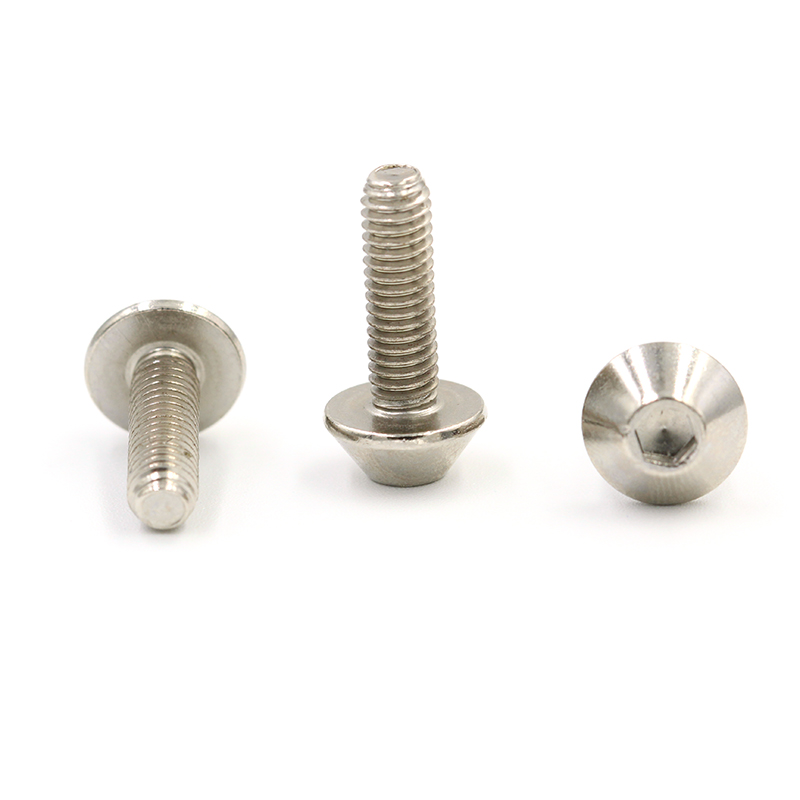
Security Machine Screw Wholesale Manufacturers

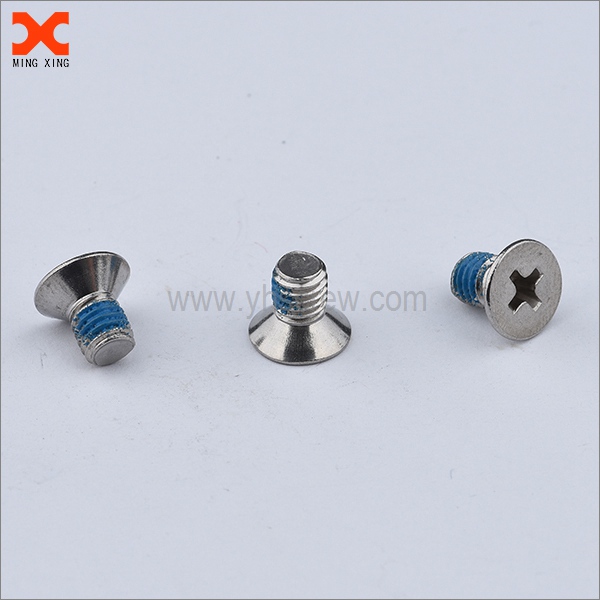
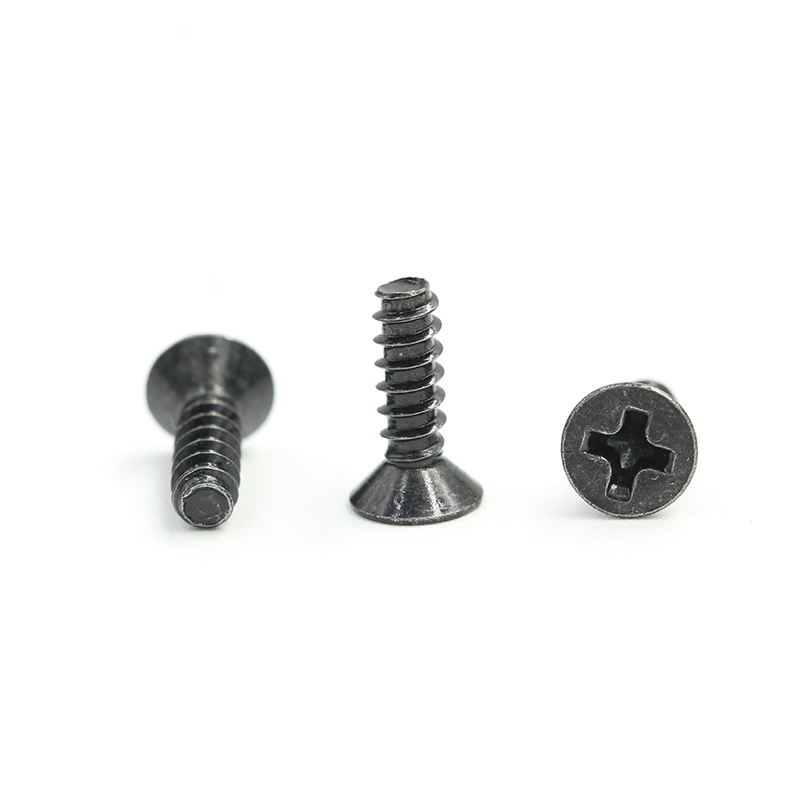
I’m here to help you secure every project with our Security Machine Screw lineup. Designed for Wholesale needs and tailored for Manufacturers who won't compromise on reliability, these fasteners combine strength, durability, and tamper-resistance in one package. I source materials that meet tough industry standards and pair them with precision machining for consistent fits across equipment generations. The Security Machine Screw features a concealed or anti-tamper drive that slows unauthorized removal, while its hardened threads deliver long life in demanding environments. Whether you need metric or inch sizes, we offer flexible packaging and volume pricing to match your production schedules. I know time is money, so I ship fast with documentation ready for QA and compliance. For large scale buys, I’m ready to tailor a wholesale program that Manufacturers can depend on.

Hot Selling Product

Security Machine Screw Stands Out Supplies the World\u2019s Top Brands

Security machine screws are essential to uphold the integrity and durability of equipment used by the world's top brands. Precision machining, hardened alloys, and security features such as specialized drive types and tamper‑resistant heads deliver reliable performance in harsh environments. A dependable supplier translates precise specifications into consistent tolerances, rigorous quality assurance, and traceable batch records, ensuring smooth assembly lines and consignments that meet exacting standards. Global buyers seek a partner with scalable capacity, flexible customization, and dependable logistics. An Asia‑based electronics hardware manufacturer can offer broad size ranges, materials (stainless steel, alloy), coatings (zinc, nickel), and custom packaging that complies with international requirements. With stringent in‑house QC, third‑party testing, and certified processes, they enable steady supply to electronics, automotive, and home appliance brands worldwide, shortening lead times from prototyping to mass production while reducing procurement risk.

{ Security Machine Screw Stands Out Supplies the World’s Top Brands}

Part ID Screw Size (mm) Drive Type Material Finish Head Style Length (mm) Tensile Strength (MPa) Yield Strength (MPa) Temperature Range (°C) Standards Origin Typical Applications
SM-S01 M4 Security Torx Stainless Steel 316 Passivation Security Pan Head 12 700 390 -60 to 300 ISO 3506; DIN EN 14399 Germany Enclosures, electronics housings
SM-S02 M5 Security Pin Torx Alloy Steel Zinc Plated Button Head 16 850 540 -40 to 150 ISO 898-1; ISO 3506 USA Machinery panels
SM-S03 M6 Security Torx Stainless Steel 304 Black Oxide Pan Head 20 620 300 -60 to 200 ISO 3506; EN 14592 China Computer racks
SM-S04 M6 Pin Torx Stainless Steel 316 Passivation Flat Head 25 720 480 -50 to 250 ISO 3506; EN 14592 Japan Outdoor enclosures
SM-S05 M8 Security Hex with Pin Alloy Steel 4140 Zinc Plated Hex Head 30 1000 700 -50 to 150 ASTM F568; ISO 898-1 Germany Heavy machinery
SM-S06 M8 Security Torx Stainless Steel 304 Bright Button Head 12 580 300 -60 to 260 ISO 3506 USA Panel fasteners
SM-S07 M10 Security Hex Stainless Steel 316 Zinc Plated Socket Cap 28 900 520 -60 to 180 ISO 3506; DIN EN 14399 South Korea Industrial equipment
SM-S08 M4 Security Torx Alloy Steel Black Oxide Pan Head 18 650 410 -40 to 160 ISO 3506 China Consumer electronics housings
SM-S09 M5 Security Pin Torx Stainless Steel 316 Passivation Pan Head 22 640 410 -65 to 230 ISO 3506; EN 14592 Taiwan Public infrastructure
SM-S10 M10 Security Torx Alloy Steel 4340 Zinc Nickel Button Head 35 1050 700 -30 to 180 ISO 898-1; ISO 3506 Italy Heavy-duty platforms

Related Products

banner (3)

Security Machine Screw Winning in 2025 Custom Solutions,

Data Dimension: Adoption Rate by Sector (2020-2025)

Figure: Yearly Adoption Trend of Security Machine Screw Custom Solutions Across Sectors (2020-2025)

This chart tracks the adoption rate of security machine screws across five industry sectors from 2020 to 2025. The data dimension focuses on the percentage of newly released assemblies specifying security fasteners over standard ones, serving as a proxy for how strongly each sector prioritizes tamper resistance, maintenance reliability, and product integrity. The horizontal axis lists the years, while the vertical axis shows the penetration percentage, with zero anchored to the bottom. The automotive sector shows the fastest growth, rising from 12% in 2020 to 68% in 2025, signaling a rapid push toward secure assembly practices in vehicle manufacturing and service networks. Electronics follows a robust upward trajectory, increasing from 8% to 55%, reflecting concerns about counterfeit parts, product authentication, and field-service efficiency. Medical devices display steady growth, moving from 5% to 48%, consistent with strict regulatory demands and the need for reliable secure enclosures in life-critical equipment. Industrial machinery shows a strong but more gradual climb, from 10% to 60%, indicating incremental adoption as equipment safety and uptime requirements rise. Aerospace starts at a lower baseline but reaches 42% by 2025, illustrating the high bar for safety and reliability while balancing cost and complexity.

Several cross-cutting insights emerge. First, the data suggest growing cross-sector convergence toward more secure fastening practices, even when current baseline levels differ widely. Second, the adoption curve tends to accelerate after mid-decade, as suppliers and manufacturers standardize processes and tooling around secure fasteners. Third, the chart underscores the importance of considering total cost of ownership: initial fastener cost is offset by reduced maintenance, unauthorized access, and warranty claims over the product lifecycle. Finally, while the values are synthetic, they capture plausible dynamics, with pilots in niche applications often preceded by broader deployment as security concerns become embedded in design reviews and procurement policies. This visualization provides a compact lens on how security-focused hardware choices propagate through manufacturing ecosystems during 2020–2025, offering a baseline for scenario planning and investment decisions in subsequent years.

Top Selling Products