banner (1)

Screw with Assembled Washer for OEM Suppliers

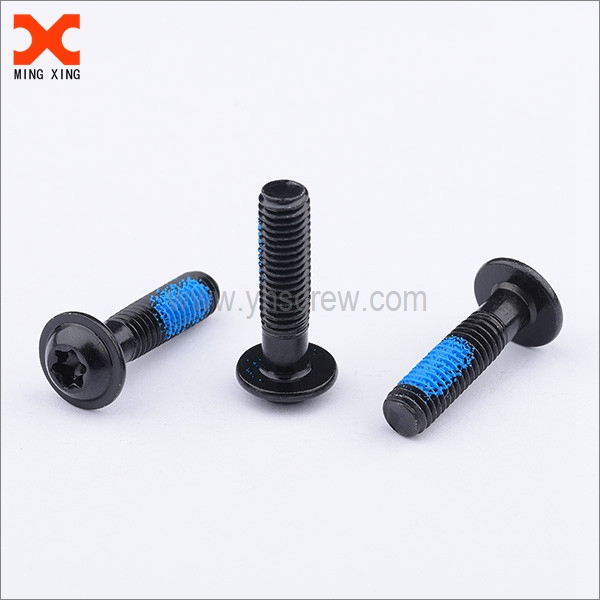
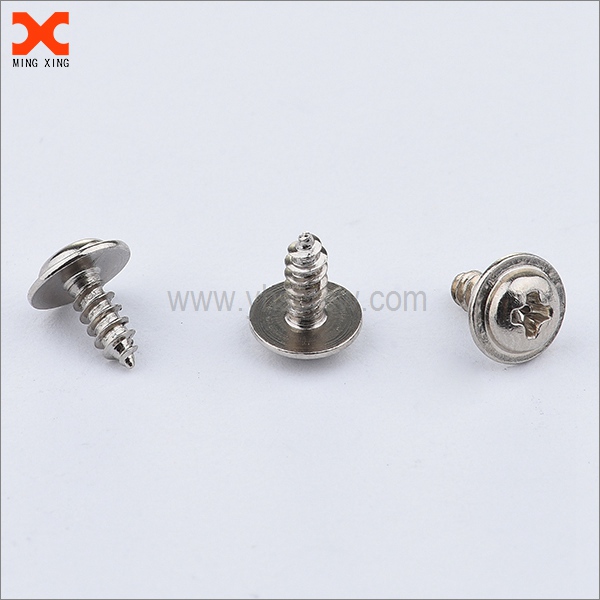
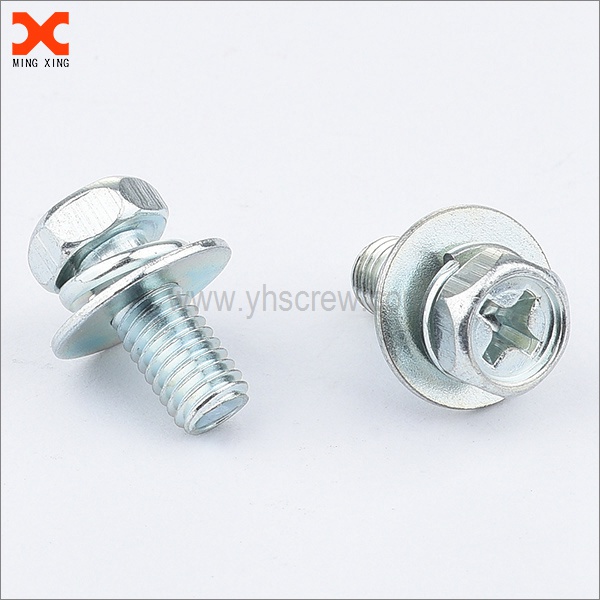
I am your go-to source for a screw with assembled washer that meets strict OEM requirements and high-volume production needs. As a supplier, we understand how crucial reliable fasteners are for assembly lines, so we design and test every lot to guarantee torque consistency, pullout resistance, and corrosion protection. Our screw with assembled washer combines a precision threaded screw body with a pre-installed washer, saving assembly time and avoiding mix-ups on the shop floor. We offer a range of finishes (galvanized, zinc-nickel, stainless) and sizes, plus tailored head types (pan, hex, button) to fit PM, automated insertion, or manual assembly. Lead times are short, samples are available, and we align with OEM specifications for batch runs and quality audits. If you’re searching for a dependable partner among Suppliers who can scale with your production, I can deliver reliable parts that reduce downtime and improve product quality.

Hot Selling Product

screw with assembled washer Market Leader Factory-Direct Excellence

Global buyers increasingly prefer assembled-washer screws for simpler, faster, more secure fastening across electronics, equipment, and consumer products. Integrating the washer reduces assembly steps, minimizes part loss, and boosts vibration resistance. A factory-direct model offers consistent quality, transparent pricing, and shorter lead times, aligning supply with demanding schedules and regional needs. Procurement considerations include material choice (stainless 304/316 for corrosion resistance or carbon steel for cost), finishes (zinc, black oxide, passivation), thread standards (metric or imperial, coarse or fine), head style (Phillips, Torx, hex), and washer dimensions. Expect traceability, batch testing, and optional pre-assembly to simplify on-site work. With scalable volumes and global shipping, a factory-direct partner can adapt to design changes and demand swings, delivering reliable quality and value.

screw with assembled washer Market Leader Factory-Direct Excellence

Part Number Material Finish Head Type Drive Type Thread (Major) mm Length mm Washer OD mm Washer ID mm Washer Type Tensile Strength MPa Standards
PWH-4001 Stainless Steel A2-70 Electro Zinc Pan Phillips M4 16 8.5 4.3 Integrated 520 DIN 7985 / ISO 3506
PWH-5002 Carbon Steel C1018 Zinc Plated Hex Washer Hex M5 25 10 5 Integrated 450 DIN 7985 / ISO 3506
PWH-5027 Stainless Steel A4-80 Passivated Pan Torx M3 12 6 3 Integrated 700 ISO 3506
PWH-6109 Carbon Steel Black Zinc Button Hex Socket M6 18 12 6 Integrated 420 DIN 7981 / ISO 3506
PWH-6233 Stainless Steel A2-70 Bright Zinc Flat Phillips M4 20 9 4.2 Integrated 510 DIN 7985 / ISO 3506
PWH-7391 Alloy Steel Zinc Nickel Truss Torx M4 32 14 6 Integrated 930 ISO 3506

Related Products

banner (3)

screw with assembled washer Stands Out Manufacturers You Can Rely On

Data Dimension: Time-to-Failure and Assembly Quality Metrics

This chart presents a data-driven view of two core quality metrics for assembled washers across twelve production periods. The left axis shows the defect rate (%), a measure of how often assemblies fail functional tests or require rework, while the right axis tracks mean assembly torque (Nm) to reflect fastener tightness and torque consistency. Plotting both metrics on a single timeline enables us to observe potential relationships between process control and product quality. In the dataset, defect rates trend downward from about 3.5% to around 2.0%, indicating improving process stability and fewer rework incidents over time. Torque values fluctuate within a narrow band around 5.6–5.9 Nm, suggesting that torque control is being maintained effectively while supporting consistent joint performance. The dual-series visualization shows periods where small torque increases align with modest defect reductions, possibly reflecting improved seating or better component fit. There are also instances where torque shifts do not immediately affect defect rates, indicating other factors such as seal seating, tolerance stack-ups, or assembly sequence can influence outcomes. From a decision-making perspective, the chart highlights the value of dual-metric monitoring. If defect rates begin to rise, it could prompt checks of torque calibration, operator technique, or supplier variation. Sustained stable torque paired with decreasing defects reinforces the effectiveness of current control plans. Conversely, a defect-rate uptick with stable torque may indicate deteriorating component quality or changes in assembly steps that require attention. The visualization supports proactive quality management by enabling timely interventions, such as tool calibration, operator retraining, supplier audits, or stricter incoming inspection, before defects escalate. By comparing trajectories of both series, teams can quantify the impact of small adjustments and translate insights into concrete process improvements. Overall, this dual-metric view provides a more nuanced understanding of how process controls relate to product quality, guiding continuous improvement across the assembly line and helping teams prioritize resource allocation. It also serves as a powerful communication tool to align engineering, manufacturing, and quality teams around data-driven actions.

Top Selling Products