banner (1)

Roofing Self-Tapping Screws - Cheap, Pricelist

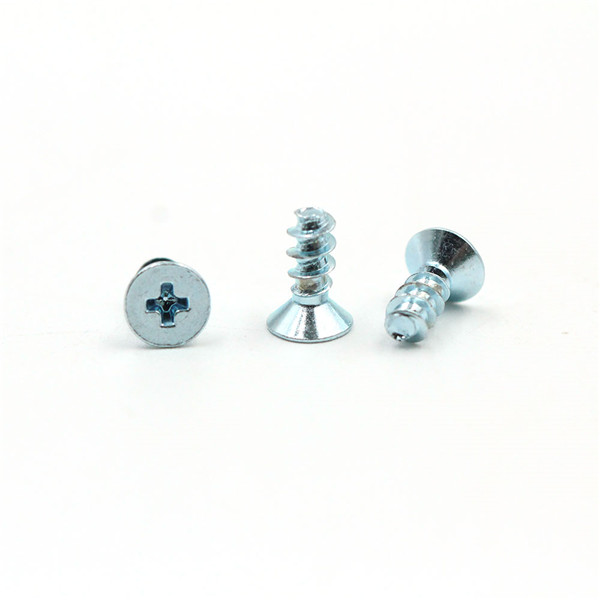
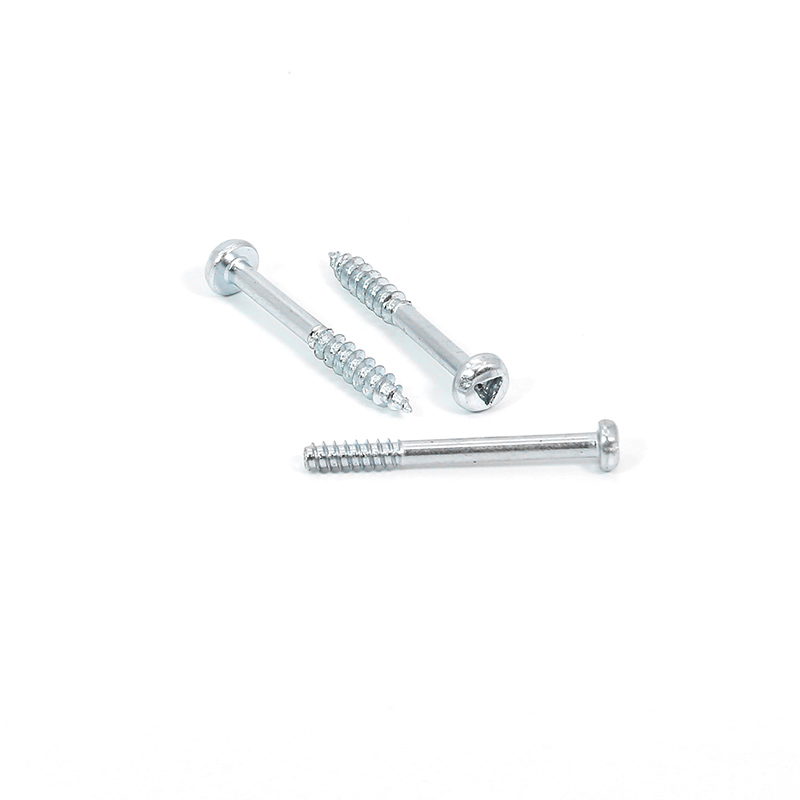
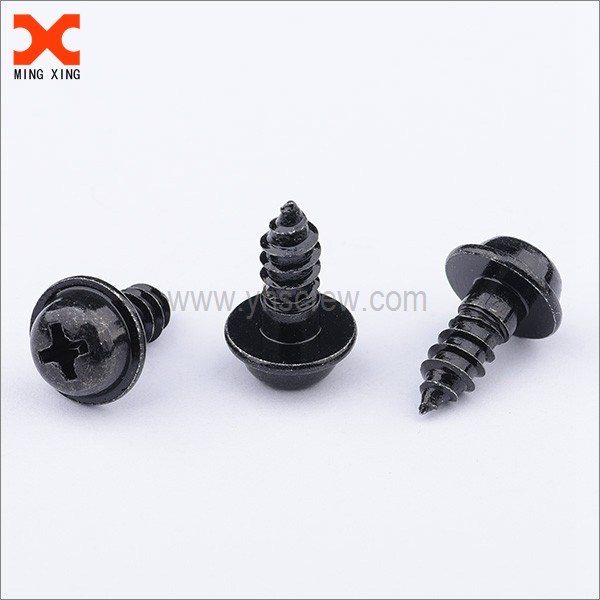
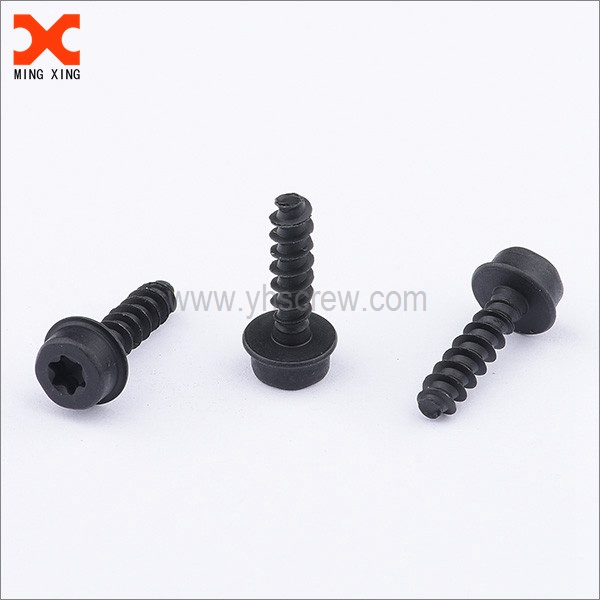
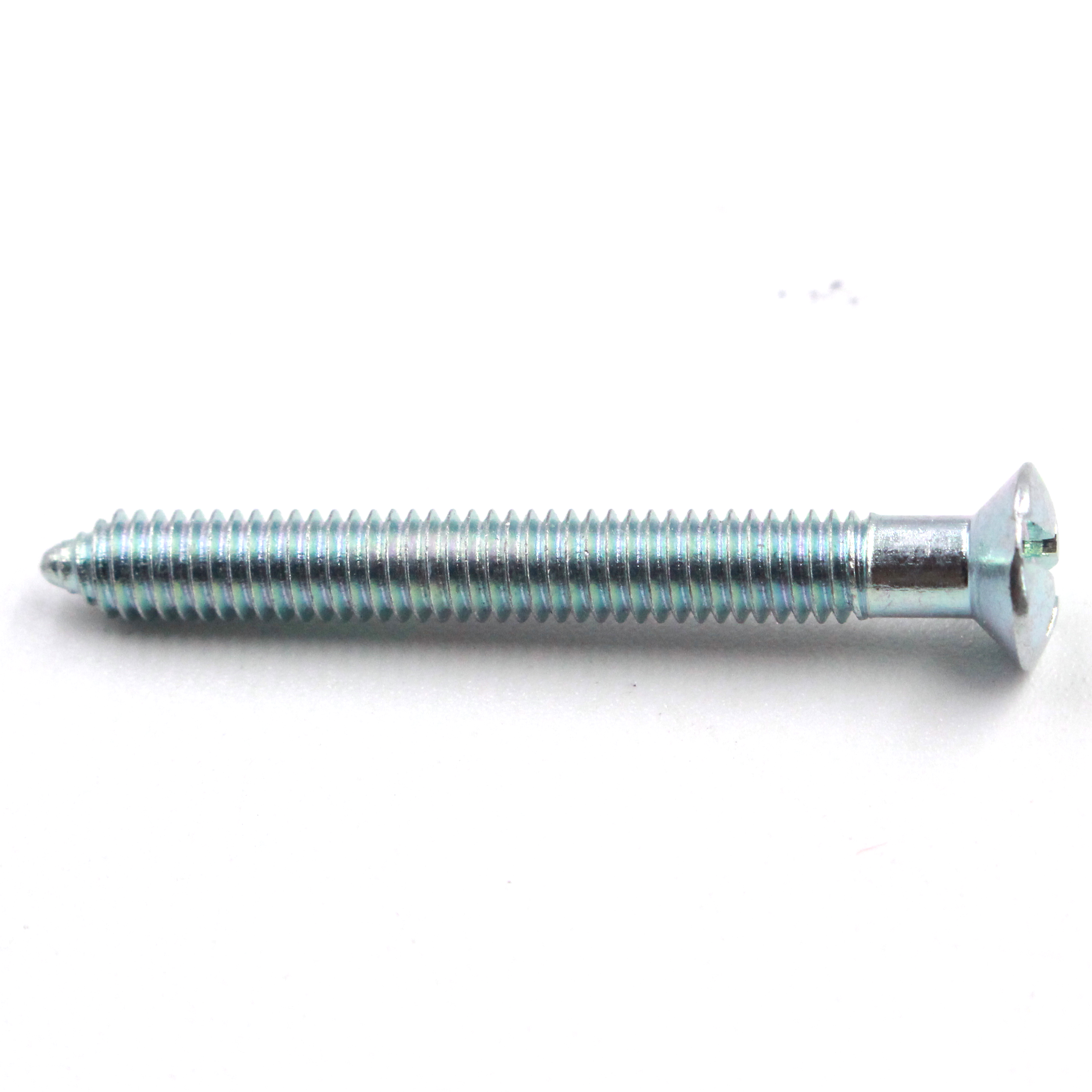
We provide roofing self-tapping screws that stand up to demanding roof installs and long-term weather exposure. My goal is to deliver secure fastening with minimal pre-drilling, thanks to sharp threads and precision countersinks that sit flush on metal panels. We offer zinc-plated and stainless options for corrosion resistance, with a range of thread pitches and lengths to fit common gauges. For B2B buyers, reliability and predictable costs matter, so I keep pricing transparent and competitive. Check our Cheap options and your own Pricelist based on order quantities, delivery schedules, and project timelines. I can supply datasheets, certifications, and sample packs to help you compare pull-out strength and fastening performance across batches. From single-site repairs to large-scale builds, I work to ensure on-time shipments and consistent quality. Tell me your panel type, thickness, and quantity, and I’ll tailor the screw choice to maximize hold, minimize maintenance, and optimize total cost per project.

Hot Selling Product

roofing self-tapping screws Where Service Meets Innovation Your End-to-End Solution

Roofing self-tapping screws require precise threading, substrate compatibility, and durable finishes for varied climates. As an end-to-end source, we guide projects from material selection to on-time delivery and strict QA. Whether carbon steel with zinc, stainless steel for coastal sites, or PV-coated options, we tailor drive types, head styles, and thread forms to your program. Global buyers value consistent performance, traceability, and tests validating wind uplift and corrosion resistance. From prototyping to mass production, we fuse service with innovation through collaborative engineering, rapid sampling, and scalable supply chains. Our end-to-end solution covers certifications, corrosion testing, packaging, and global logistics. We reduce risk with supplier scorecards, real-time visibility, and just-in-time delivery. By combining rigorous quality, flexible manufacturing, and sustainable practices, these screws perform across climates, helping global procurement streamline sourcing and protect product integrity.

roofing self-tapping screws Where Service Meets Innovation Your End-to-End Solution
SKU Category Material Diameter (mm) Length (mm) Thread Head Coating Substrate Pullout (N) Shear (MPa) Certifications Warranty (years)
SKU-RTS-001 Roofing Self-Tapping Screw Stainless Steel A2 (304) 4.8 38 Fine Thread Pan Head Zinc Plating Wood, Metal Roofing Sheets 1200 210 ISO 9001, CE 25
SKU-RTS-002 Roofing Self-Tapping Screw Carbon Steel with Galvanized HDG 5.5 50 Coarse Bugle Head Zinc-Aluminum Coating Wooden Eaves, Metal Roofing 950 190 CE, UL 15
SKU-RTS-003 Roofing Self-Tapping Screw Stainless Steel A2 (304) 4.8 60 Coarse Philips Large Pan Electrogalvanized Asphalt Shingles 1500 230 ISO 9001, FM 25
SKU-RTS-004 Roofing Self-Tapping Screw Stainless Steel A4 (316) 4.2 30 Self-Tapping Hex Washer Head Ceramic Concrete Roof Tile 1100 205 CE, UKCA 20
SKU-RTS-005 Roofing Self-Tapping Screw Zinc Plated Steel 6.0 70 Self-Tapping Bugle Head HDG Metal Roofing Sheets 1200 190 ISO 9001 10
SKU-RTS-006 Roofing Self-Tapping Screw Stainless Steel Grade 316 5.0 40 Fine washer Head Passivation Timber Rafter with Metal Tile 980 210 ISO 14001 15

Related Products

banner (2)

roofing self-tapping screws Is The Best Industry Leaders

New Data Dimension: Load Capacity by Screw Diameter

Load (kN) 4.0 mm 4.5 mm 5.0 mm 5.5 mm 6.0 mm 6.5 mm

This chart presents the relationship between screw diameter and maximum pull-out load for roofing self-tapping screws under a standardized test setup. The data indicate a clear positive trend: as diameter increases, the attainable withdrawal resistance rises due to greater contact area with the substrate and deeper thread engagement. The progression from 4.0 mm to 5.5–6.0 mm demonstrates substantial gains in load capacity, reflecting improved bearing area and more efficient transfer of withdrawal forces across the fastener. However, the rate of gain begins to taper beyond roughly 5.5–6.0 mm, suggesting diminishing returns when considering practical factors such as installation clearance, material cost, driving torque, and potential substrate deformation. In real roofing assemblies, designers must balance higher capacity with other constraints such as wind uplift, thermal expansion, and corrosion resistance. The data shown assume consistent substrate material, thickness, and coating; variations in these parameters can shift the absolute values but often preserve the overall shape of the trend. It is also important to consider the interaction between diameter and screw length: a longer screw can provide additional thread engagement beyond the diameter-driven strengthening, but only if the substrate can accommodate it without back-out or leakage. Coatings and thread geometry also play a role: corrosion-resistant coatings can raise long-term performance in exposed environments even if they slightly increase drive friction during installation. By comparing the categories, engineers can select a diameter that achieves the desired pull-out resistance while optimizing installation speed and cost. This visualization serves as a data-driven aid for decision-making, not a universal specification. It supports a practical design approach: use moderate-to-large diameters to improve pull-out resistance when wind uplift or snow load governs roof integrity, while evaluating the overall roof system to avoid unnecessary material use. Pairing diameter with appropriate length, sealants, and correct installation torque yields the best combination of performance and value.

Top Selling Products