

High-Quality Plastite Thread Forming Screws for Secure and Durable Fastening , [Brand Name]
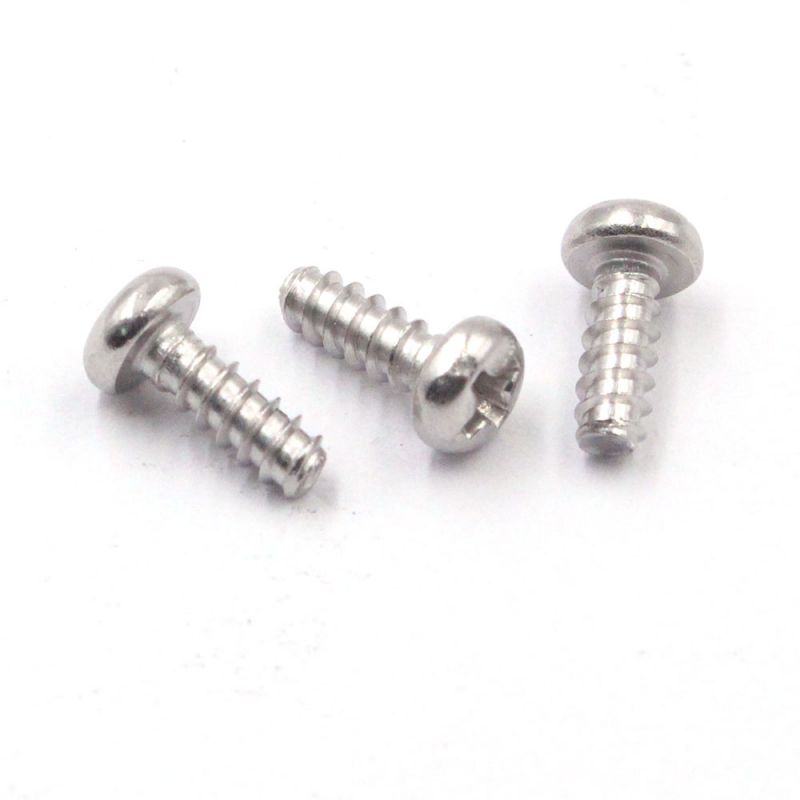
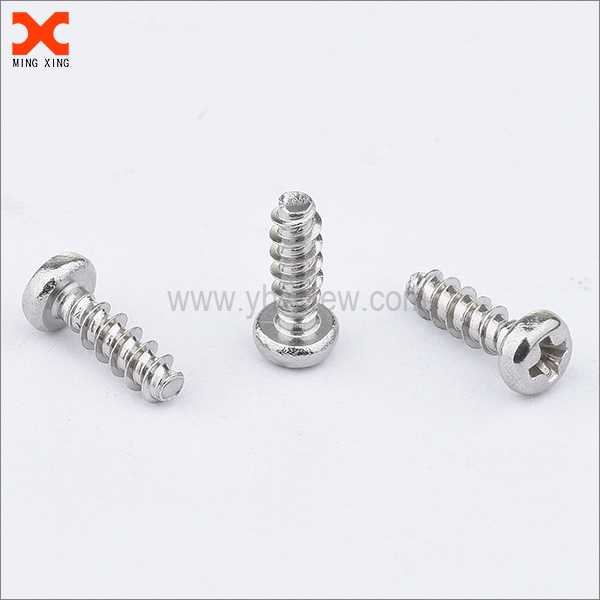
Introducing Plastite Thread Forming Screws from Dongguan Yuhuang Electronic Technology Co., Ltd., a leading manufacturer, supplier, and factory based in China. Our innovative Plastite screws are designed to meet your specific threading needs for a wide range of applications. With years of experience in the industry, our company has established a strong reputation for delivering high-quality products and exceptional customer service. We strive to provide reliable and durable thread forming screws that are engineered with precision to ensure optimal performance. The Plastite screws excel in fastening into plastic, providing excellent resistance to strip-out, loosening, and leaks, guaranteeing a secure and long-lasting connection. Our screws are manufactured using top-grade materials to meet industry standards and undergo stringent quality assurance measures. Whether you are in the automotive, electronics, or general manufacturing industries, our Plastite Thread Forming Screws are the perfect solution for your assembly needs. Trust in Dongguan Yuhuang Electronic Technology Co., Ltd. as your reliable partner for thread forming screws. Contact us today to learn more about our products and how we can meet your specific requirements.
Related Products



Top Selling Products


- Related Blog
- Reviews





