banner (1)

Custom Pcb Standoff Spacers for Factories

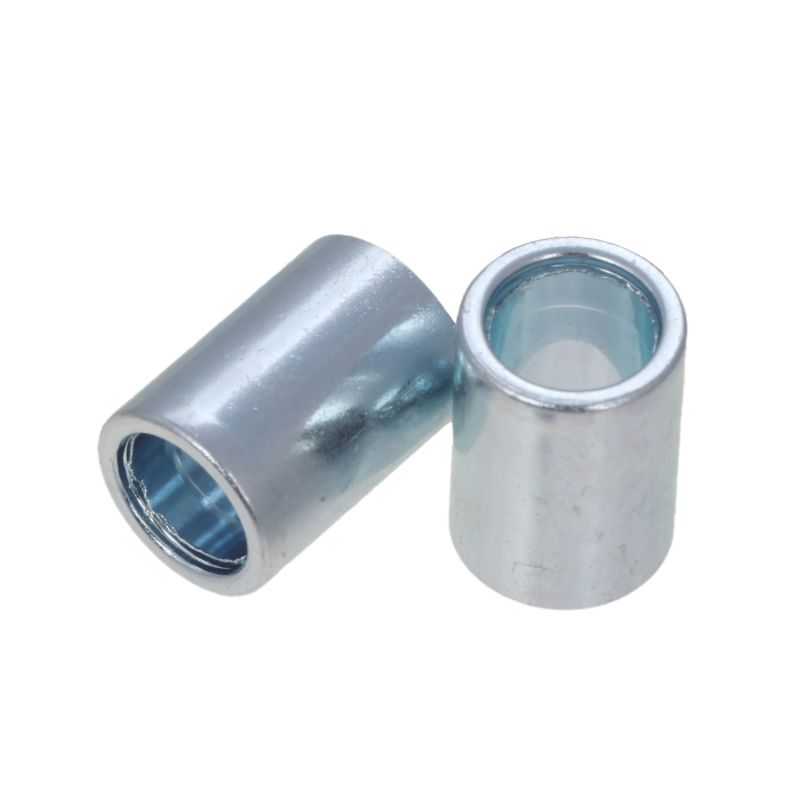
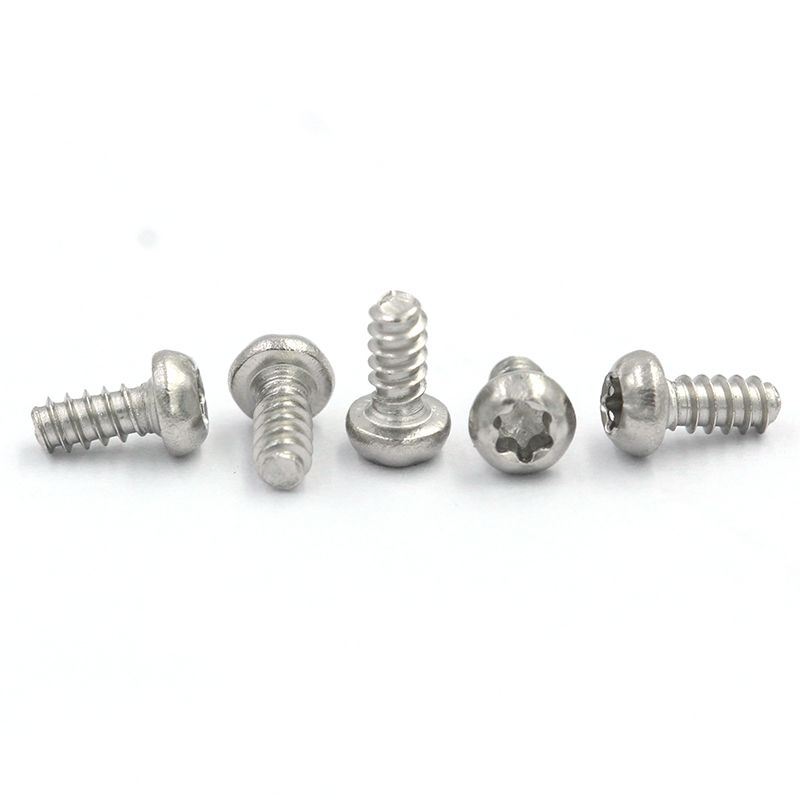
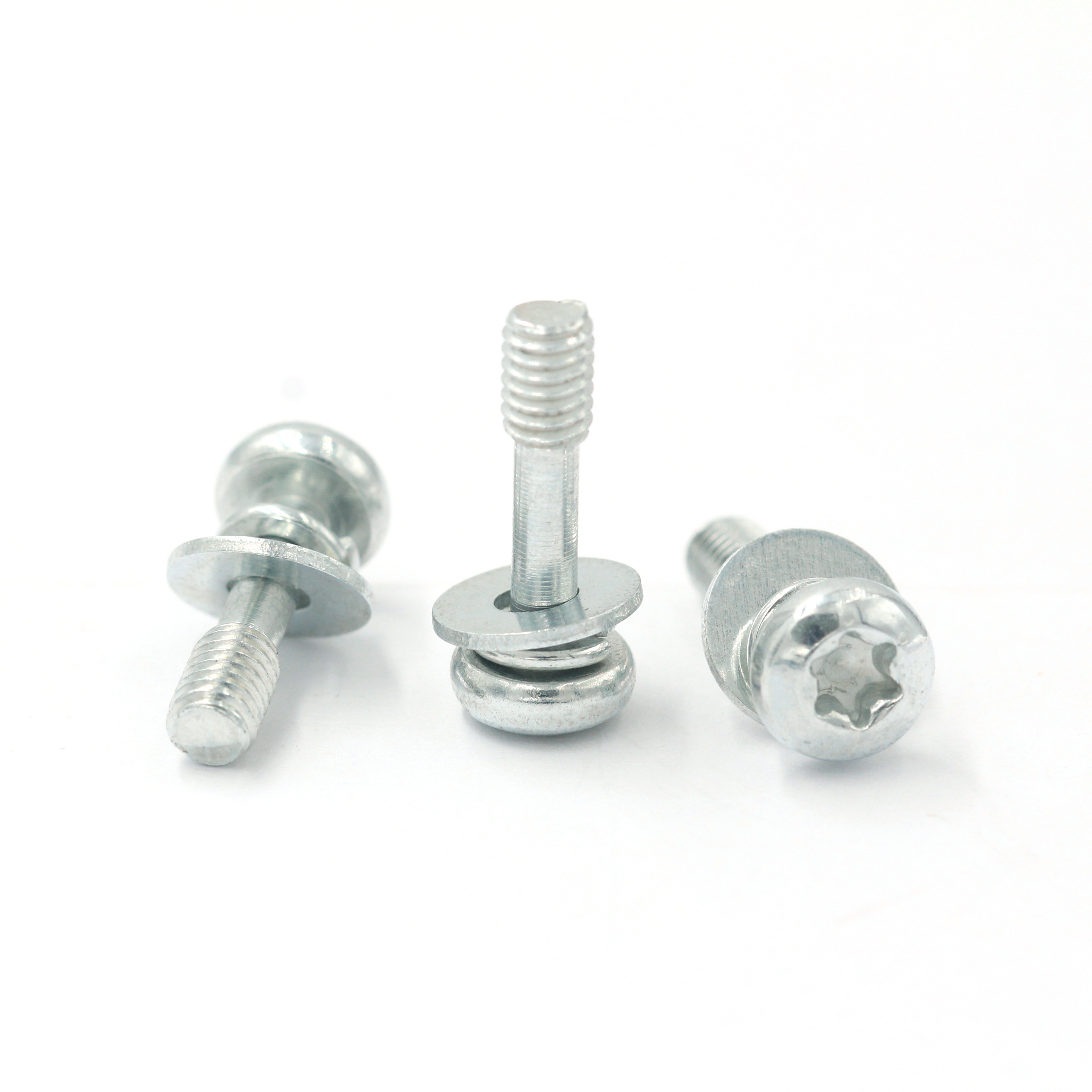
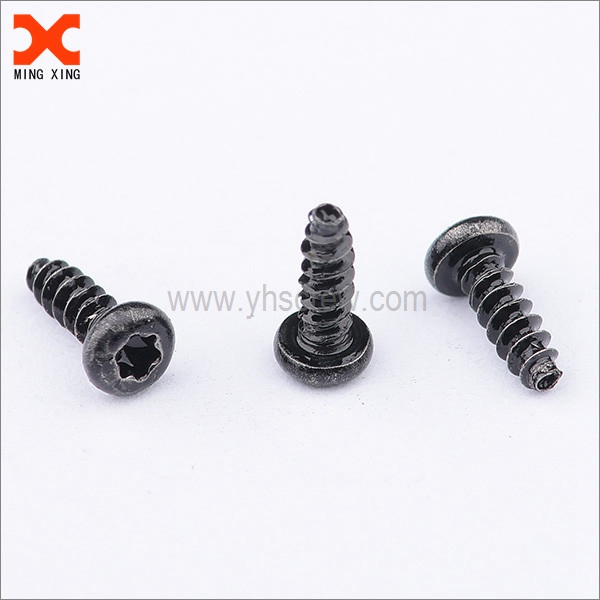
I supply Pcb Standoff Spacers that keep boards secure, evenly spaced, and heat-free under vibration. When I design these for Custom builds, I focus on precise heights, thread types, and material choices—nylon, stainless steel, or brass—to match your board and enclosure. For Factories and high-volume lines, I offer consistent batch tolerances, bulk packaging, and quick lead times to keep your assembly line moving. Each spacer is machined or molded for reliability, with features like knurled bodies, screw pilot holes, or anti-rotation options if needed. I can tailor OD, height, and thread sizes to your Gerber specs, so you can plug-and-play without redesigning your enclosure. Quality is my priority: tight tolerances, corrosion resistance, and clean finishes that pass IPC standards. If you’re upgrading a product line or starting a new project, I’m ready to discuss your Custom requirements and long-term supply for Factories.

Hot Selling Product

Pcb Standoff Spacers Your Trusted OEM Partner From Concept to Delivery

From concept sketches to final shipment, PCB standoff spacers quietly keep boards secure, align connectors, and preserve clearances across assemblies. As a trusted OEM partner with deep electronics manufacturing expertise, we help global buyers translate ideas into robust spacer solutions—from CAD review and prototyping to production release. Whether you need threaded spacers, insulated mounts, or precision metal standoffs, we tailor height, diameter, thread, and finish to your board stack and enclosure, emphasizing design-for-manufacture and reliability so you move quickly from prototype to high-volume builds. Delivery is aligned with your supply chain goals: flexible MOQs, scalable production, tight tolerances, and rigorous quality checks. Material options span polymers like nylon and PEEK to stainless steel, with coatings for corrosion resistance and temperature cycling. We offer rapid prototyping, easy customization, and batch testing to validate fit before full-scale production. Global logistics are supported with RoHS/REACH compliance, transparent lead times, packaging for safe transit, and engineering support for design adjustments. This end-to-end capability helps you reduce risk, shorten time-to-market, and deliver reliable assemblies worldwide.

{ Pcb Standoff Spacers Your Trusted OEM Partner From Concept to Delivery}
Part Number Type Material Diameter (mm) Height (mm) Thread Finish Temperature Range (°C) RoHS Compliant Application Notes
SP-SS304-3-2-M3 PCB Spacer Stainless Steel 304 3.0 2.0 M3 Satin -40 to 125 Yes Standard low-profile spacer for dense board layouts.
PN-POM-4-4-M4 PCB Spacer Polyoxymethylene (POM) 4.0 4.0 M4 Natural -40 to 90 Yes Non-conductive insulation between boards.
PN-NYL-3-3-M3-BLK PCB Spacer Nylon 6/6 3.0 3.0 M3 Black -20 to 85 Yes Lightweight, impact-resistant spacer.
PN-SS316-5-2-8-32 PCB Spacer Stainless Steel 316 5.0 2.0 8-32 Bright -40 to 110 Yes Corrosion-resistant for humid environments.
PN-BR-6-6-M6 PCB Spacer Brass 6.0 6.0 M6 Gold-plated -30 to 120 Yes RF shielding applications in RF boards.
PN-SS304-8-3-10-32 PCB Spacer Stainless Steel 304 8.0 3.0 10-32 Passivated -60 to 150 Yes High-load structural spacer for heavier components.

Related Products

banner (2)

Pcb Standoff Spacers Dominates Ahead of the Curve

Data Dimension: Spacer Type Market Share Analysis

This bar chart presents a data-driven view of market coverage across different spacer types used in printed circuit board (PCB) assemblies. The dataset includes six categories: Standard Spacer, Threaded Spacer, Non-Threaded Spacer, Low-Profile Spacer, Shims & Adapters, and Micro Spacer. Values reflect relative usage within a hypothetical production context. The vertical axis shows units (scaled for readability), while the horizontal axis lists spacer types. Each bar's height represents the category value, enabling quick visual comparison of prominence across spacer types.

Key observations: Non-Threaded Spacer has the highest value, suggesting broad applicability and ease of integration. Threaded Spacer is also widely used, indicating a need for secure mounting in some designs. Standard Spacer and Low-Profile Spacer show moderate adoption, reflecting trade-offs between height, clearance, and manufacturability. Shims & Adapters and Micro Spacer have lower values, indicating more specialized or niche use cases.

The color scheme provides contrast against the light grid lines to improve legibility. The grid lines help users estimate values at a glance, while the data labels atop each bar show the exact figures. The chart does not encode any personally identifiable information; it is intended for comparative analysis of product components. The data here is synthetic to illustrate how a dashboard might communicate distribution and dominance across categories. In a real scenario, extending the chart with a time dimension (e.g., quarterly data) would reveal trends, seasonality, and potential shifts in supplier preference. Such extensions could support procurement planning, inventory optimization, and design-for-manufacture decisions by highlighting which spacer types drive most activity and where standardization could reduce complexity and cost. Overall, the visualization aims to provide stakeholders with a clear, concise snapshot of spacer-type usage, enabling faster strategic discussions and informed operational actions.

Top Selling Products