banner (1)

Nylon Patch Screw for OEM & Suppliers - Durable Fasteners

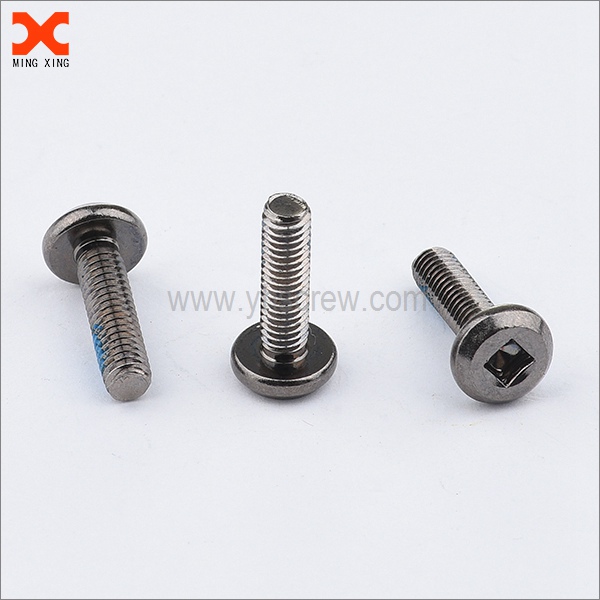
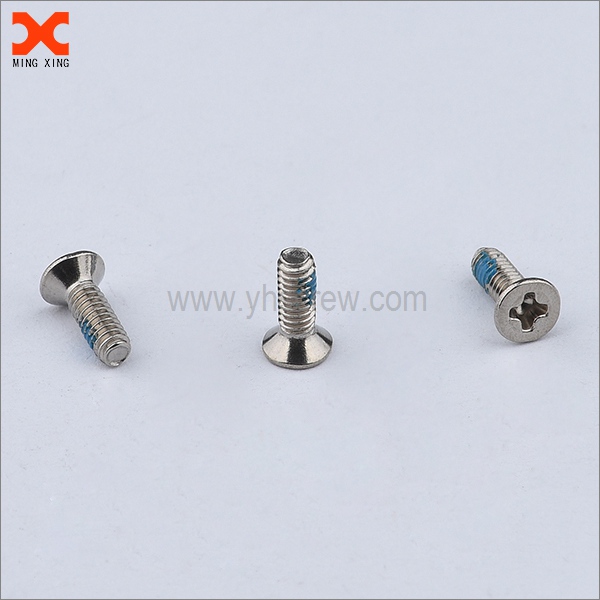
From the moment I select materials and testing protocols, I know our Nylon Patch Screw withstands demanding assemblies. I’ve built this solution for durability, low friction, and strong pullout resistance, perfect for electronics, automotive interiors, and consumer devices. When you shop as an OEM partner or as a buyer from Suppliers, you need consistent quality, on-time delivery, and clear pricing. Our Nylon Patch Screw blends high-grade PA66 resin with engineered patch features to resist vibration and weathering. The patch insert allows a ready-to-install solution that can save steps and reduce tool wear on the line. I offer sizes from M3 to M6, with precise threading, compatible head styles, and options for color, reinforcement, or coatings. Lead times are tight, and I can tailor patch materials and drive types to your specs. If you’re sourcing for OEM programs or seeking reliable Suppliers of nylon fasteners, I’m here to help you optimize cost, performance, and uptime with every lot.

Hot Selling Product

Nylon Patch Screw Where Innovation Meets 2025 Supplies the World\u2019s Top Brands

In 2025, nylon patch screws stand out as compact, high-performing fasteners for electronics, automotive, and consumer devices. They offer lightweight strength, chemical resistance, and vibration damping for reliable assemblies without added weight or complexity. As global buyers tighten quality, traceability, and sustainability, suppliers from major manufacturing hubs deliver options: material grades, colors, thread profiles, preload data, and packaging. Clear compliance and scalable MOQs support both prototyping and high-volume runs. To navigate 2025 supply chains, request material data sheets, performance tests, and a responsive sampling program. Seek partners that integrate with digital procurement, provide transparent lead times, and offer dependable after-sales support to uphold worldwide standards.

{ Nylon Patch Screw Where Innovation Meets 2025 Supplies the World’s Top Brands}
Part Number Material Head Type Drive Type Length (mm) Thread Ø (mm) Patch Ø (mm) Coating Temp Rating (°C) Tensile Strength (MPa) Compliance
NPS-PA66-001 Nylon 6/6 (PA66) Flat Head Phillips 25 4.0 15.0 None 125 75 UL 94-V2; RoHS
NPS-PA66-002 PA66-GF30 Pan Head Hex Socket 35 5.0 16.0 None 130 90 RoHS; REACH
NPS-PA66-003 Nylon 66 (PA66) Countersunk Torx 20 3.5 12.0 None 100 68 ISO 9001; RoHS
NPS-PA66-GF30-004 PA66-GF30 Flat Head Hex Socket 40 6.0 18.0 None 125 110 UL 94-V2; RoHS
NPS-PA6-001 PA6 Button Head Phillips 18 4.0 12.0 None 105 60 RoHS
NPS-PA66-GF15-005 PA66-GF15 Flat Head Torx 30 4.5 14.0 PTFE-Lubricated 115 72 REACH; RoHS
NPS-PA66-GF15-006 PA66-GF15 Hex Head Hex Socket 50 8.0 22.0 None 150 140 UL 94-V0; RoHS

Related Products

banner (2)

Nylon Patch Screw Application Factory-Direct Excellence

Data Perspective: Monthly Production Throughput (Units) for Nylon Patch Screw Assembly

Explanation: The chart visualizes Monthly Production Throughput (Units) for Nylon Patch Screw Assembly, illustrating how output fluctuates across the year. The dataset shows a generally rising trend with seasonality and occasional dips. The top line indicates production capacity improvements after process optimization; December peak reflects year-end ramp-up or demand surge. Although the data here is synthetic, it mirrors common manufacturing dynamics in a factory-direct supply model: material availability, machine uptime, changeover times, and workforce scheduling all influence throughput. Each month is treated as a discrete interval; the x-axis labels highlight time progression, while the y-axis indicates units produced, anchored at zero to provide a baseline for comparison. The line's slope communicates rate of change: a steep segment implies rapid improvement or surge, a flat segment suggests stability or constraint. For decision makers, this chart can help identify when capacity constraints bind and where to invest—such as reducing changeovers, adding parallel lines, or adjusting shift patterns—to raise monthly throughput. The highest month marks optimal performance; if this occurs early in the year, it may reflect learning curves or supply stabilization, whereas later peaks might correlate with seasonal demand patterns. To derive deeper insights, the chart should be considered alongside other metrics like defect rate, downtime, and material yield to compute overall equipment effectiveness (OEE). In a factory-direct model, feeding this dashboard with real-time sensor data can shorten feedback loops between floor operations and planning. The dataset is a simplified representation; in practice, analysts would augment it with confidence intervals, data quality notes, and anomaly detection. By correlating throughput with maintenance schedules, operator shifts, and supplier delivery windows, stakeholders can test hypotheses about drivers of performance and quantify the impact of process changes on overall output. The end goal is actionable insight: maximize consistent production, reduce variability, and meet customer demand with minimal waste. This disciplined approach supports data-driven decision making across the supply chain.

Top Selling Products