banner (1)

Machining Small Parts for OEM and Suppliers - Precision Manufacturing

I’m here to help you solve tough production challenges in machining small parts. We specialize in precision CNC milling, turning, and micro-finishing for OEM and other buyers who demand tight tolerances and reliable delivery. Partner with us and you’ll get proven processes, first‑part inspection, and scalable tooling that covers prototypes to high‑volume runs. I personally oversee each order to ensure your specs are met, because your supply chain depends on consistent quality and on-time shipments. We work across materials and geometries, offering quick quotes, flexible lead times, and transparent communication. If you’re a Supplier or Suppliers looking to source dependable partners, we’re ready to collaborate and grow together. We aim to reduce risk, improve yields, and keep your assembly lines moving. Choose us for machining small parts that align with OEM expectations and strengthen your procurement program.

Hot Selling Product

machining small parts Is The Best Service Backed by Expertise

In today’s global procurement landscape, small parts play an outsized role across electronics, automotive, and medical devices. The best suppliers combine agile machining with disciplined process controls to deliver precise components on spec, on time, and at scale. Expertise is the differentiator. Shops that excel in small-part machining deploy high-precision CNC centers, micromachining, and advanced metrology to achieve tight tolerances and reliable surface finishes. Comprehensive quality management—from material sourcing to final inspection and lot traceability—reduces risk for international partners. For global buyers, the payoff is a faster, more predictable supply chain. Flexible programming, rapid prototyping, and scalable production let you adapt to design changes without sacrificing quality or cost, ensuring your critical components arrive ready to assemble.

machining small parts Is The Best Service Backed by Expertise
Part Code Description Material Dimensions (L x W x H, mm) Tolerance (mm) Surface Finish (Ra in micrometers) Machining Process Lead Time (days) Batch Size Inspection Method Certification Setup Time (hours)
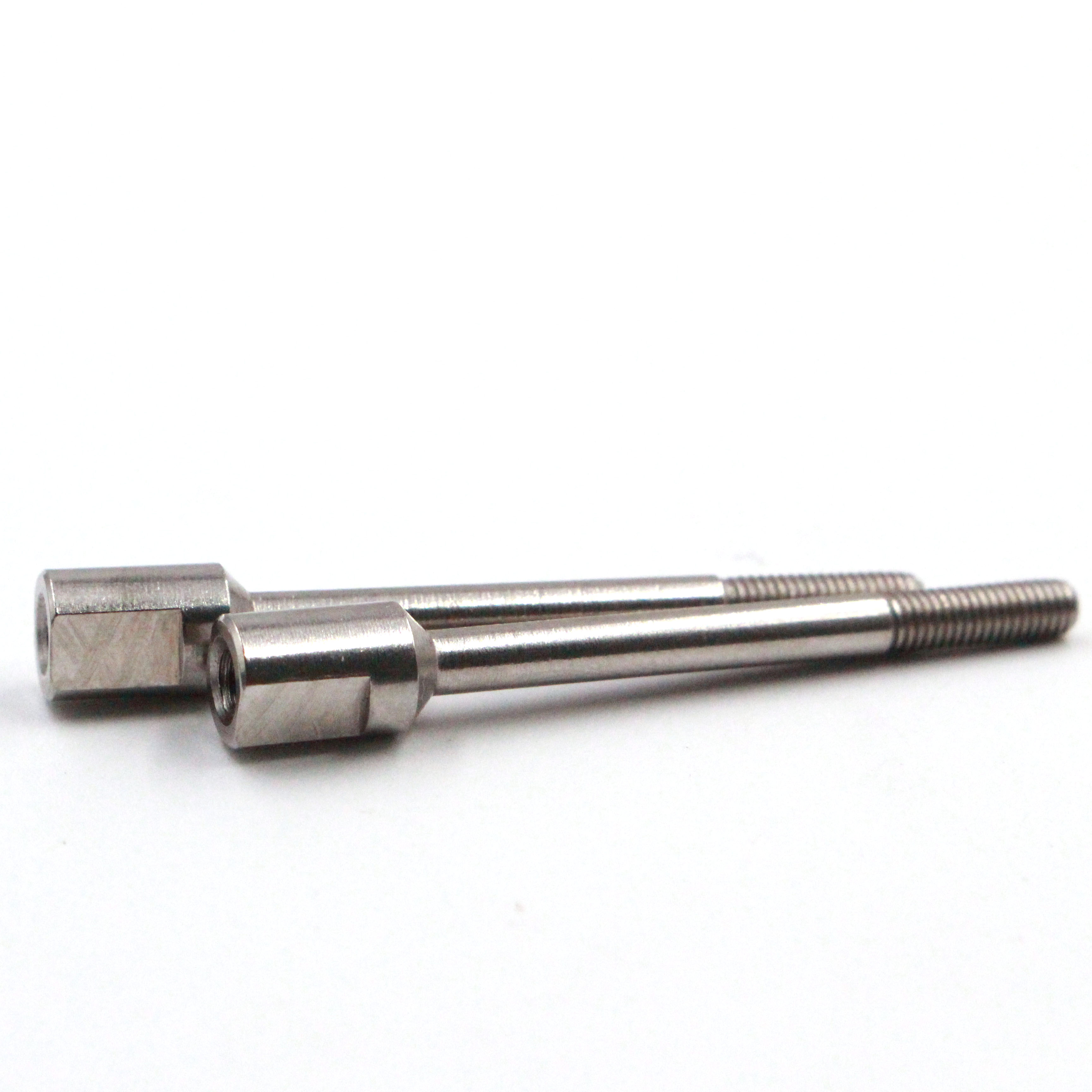
PSM-101 Micro Connector Nut Stainless Steel 316 4.2 × 2.1 × 1.0 ±0.005 0.4 CNC Milling + Finishing 3 1200 CMM measurement, visual check ISO 9001 0.5
PSM-102 Pin Terminal Shield Aluminum 6061-T6 6.0 × 3.0 × 0.8 ±0.010 0.8 CNC Turning + Milling 4 800 Visual + Calipers ISO 9001 0.75
PSM-103 Small Valve Stem Brass 7.5 × 2.5 × 2.0 ±0.020 1.6 CNC Turning 5 600 Optical + Micrometer ISO 9001 1.0
PSM-104 Micro Shaft Stainless Steel 304 2.2 × 0.9 × 0.9 ±0.004 0.3 CNC Milling 2 500 CMM ISO 9001 0.4
PSM-105 Micro Gear Segment Tool Steel D2 3.8 × 1.8 × 0.6 ±0.006 0.6 Wire EDM + Milling 6 900 CMM ISO 9001 1.2
PSM-106 PCB Spacer Aluminum 7075 5.0 × 2.5 × 0.4 ±0.010 0.7 CNC Milling 3 1100 2D Gauging ISO 9001 0.6
PSM-107 Tiny Bracket Brass 9.5 × 4.0 × 1.5 ±0.015 1.0 CNC Milling + Finishing 7 420 CMM + Surface Metrology ISO 9001 1.5
PSM-108 Small Shaft Collar Stainless Steel 304 12.0 × 3.2 × 2.0 ±0.008 0.5 CNC Turning 3 1500 Laser Scanning ISO 9001 0.9
PSM-109 Micro Housing Cap Titanium Ti-6Al-4V 8.0 × 5.0 × 2.5 ±0.010 0.5 CNC Milling + Surface Treatment 8 320 CT Scanning ISO 13485 1.3
PSM-110 Small Pin Stainless Steel 416 2.5 × 1.0 × 0.6 ±0.003 0.25 CNC Turning 2 1800 Caliper + Optical ISO 9001 0.3

Related Products

banner (4)

machining small parts Products Ahead of the Curve

Data Dimension: Throughput by Part Type (units/day)

Explanation: This analysis examines throughput for six micro-part types produced in a compact machining cell. The chart visualizes units-per-day by part type, highlighting where the cell operates most efficiently and where opportunities exist to boost capacity without compromising quality. The data dimension focuses on throughput as the primary performance indicator, complemented by relative differences between part types to reveal process maturity, tooling requirements, and cycle-time drivers. Observations show Type E delivering the highest daily output, which aligns with simpler features and fewer interruptions in the machining sequence. Type D is the slowest, suggesting longer cycles, more frequent tool changes, or stricter tolerances that increase processing time. Type F and Type C occupy the middle ground, indicating moderate complexity and stable tooling arrangements. Type A and Type B sit in between, signaling potential gains from standardization and improved workflow. These patterns underscore a fundamental trade-off in small-part production: maximizing speed must be balanced against quality checks, fixturing stability, and part-feature variability. The chart also hints at capacity bottlenecks, since high-throughput parts could overwhelm downstream inspection or packaging if not scaled in parallel. From a management perspective, several practical levers emerge. First, batch similar features to reduce tool-change frequency and warm-up times. Second, optimize fixturing to minimize non-cutting time and reduce setup variance. Third, explore high-speed machining strategies for the faster part types while preserving precision. Fourth, implement inline metrology and feedback loops to catch defects early and lower scrap. Fifth, consider dedicated setups or dedicated machines for the most variable types to stabilize cycle times and improve overall line balance. By tracking these metrics over time, managers can quantify the impact of process improvements, benchmark against internal targets, and align investments with the parts driving the greatest throughput. The ultimate aim is to maintain a sustainable trajectory: produce more small parts with consistent quality, reduce lead times, and stay ahead of the curve in precision micro-manufacturing. This approach supports data-driven decisions, enables scenario testing, and fosters a continuous improvement culture within the factory floor environment.

Top Selling Products