banner (1)

m3 stainless steel stud - China Manufacturer for Steel Fasteners

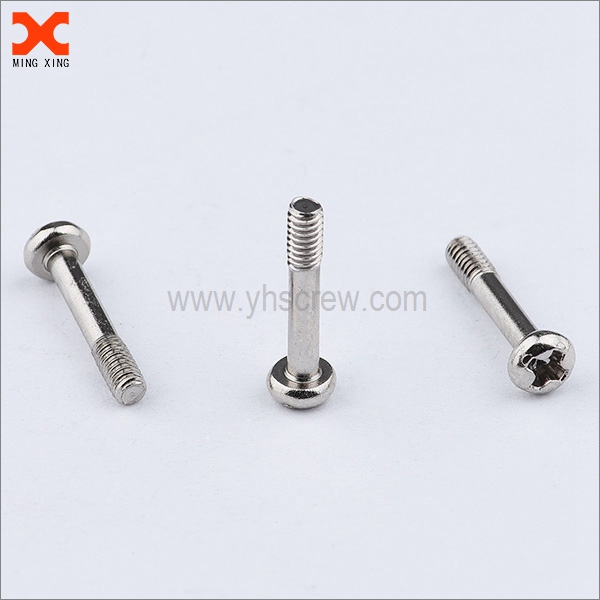
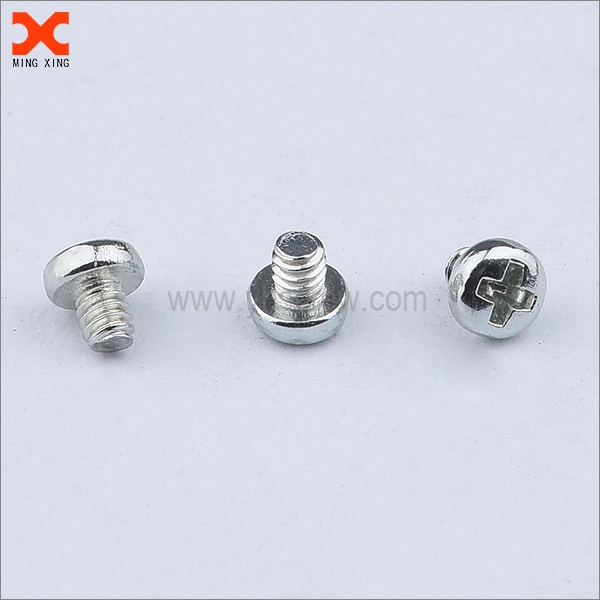
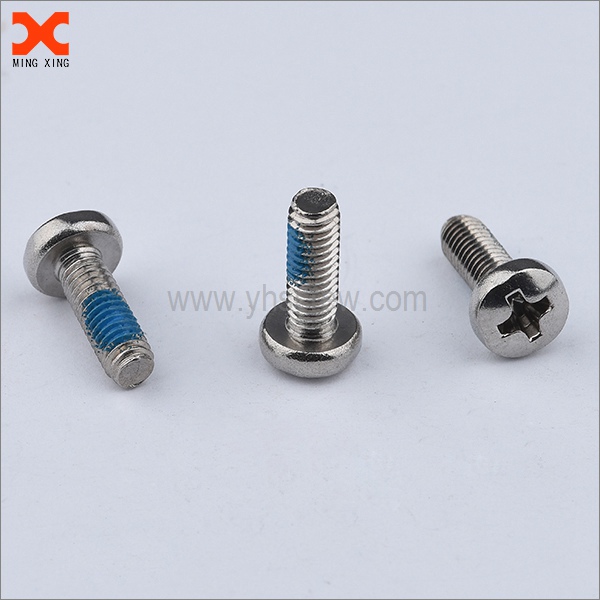
As a China-based manufacturer, I proudly deliver m3 stainless steel stud that meets strict quality standards for automotive, construction, and electronics projects. From our facility, I control every step—from material selection to finishing and packaging—so you get consistent performance and traceability. Our m3 stainless steel stud features tight tolerances, corrosion resistance, and reliable thread engagement, ideal for fastenings in demanding environments. We offer stainless steel grades 304 and 316, optional heat treatment, passivation, and protective packaging to prevent contamination during shipment. You can count on fast lead times, competitive pricing, and flexible MOQs to fit your production schedules. If you’re sourcing from China and looking for a dependable Manufacturer who understands OEM requirements and quality control, I’m here to help. Tell me your quantity, finish, and delivery window, and I will tailor an offer that minimizes downtime and ensures smooth assembly on your line.

Hot Selling Product

m3 stainless steel stud Supplier Factory-Direct Excellence

M3 stainless steel studs are compact, high-strength fasteners for electronics and precision assemblies. Stainless steel offers corrosion resistance for humid environments, while grades 304 and 316 provide durable threads and heat resistance. A factory-direct supply from a Dongguan-based producer ensures in-house machining, finishing, and strict inspection with traceability to international standards, delivering consistent quality across batches. For global buyers, the advantages are clear: shorter lead times, flexible quantities, and competitive pricing compared with distributors. Direct-from-factory sourcing supports customized finishes—bright polish, passivation, or corrosion-resistant coatings—plus standardized packaging and documentation. With scalable production and direct communication, supply chains stay resilient for high-volume launches. When evaluating suppliers, request dimensional tolerances, surface finish options, coating choices, and traceability data to meet quality and regulatory needs.

m3 stainless steel stud Supplier Factory-Direct Excellence
Part Number Material Grade Size Length (mm) Thread Pitch (mm) Finish Tensile Strength (MPa) Hardness (HRC) Standards Applications Coating Origin
M3-304-6L-ZP 304 (A2) M3 6 0.50 Zinc Plated 520 22-28 ISO 3506, DIN 933 General electronic enclosures Zinc; Passivation China
M3-316-8L-ZP 316 (A4) M3 8 0.50 Zinc Plated 515 23-29 ISO 3506, DIN 933 Corrosion-resistant assemblies Zinc plated China
M3-304-10L-Pol 304 (A2) M3 10 0.50 Polished 520 22-28 ISO 3506, DIN 933 Automotive interiors Passivation China
M3-316-12L-ZP 316 (A4) M3 12 0.50 Bright Zinc 515 23-29 ISO 3506, DIN 933 Pharmaceutical equipment Zinc plated China
M3-304-16L-HP 304 (A2) M3 16 0.50 Bright Zinc 520 22-28 ISO 3506, DIN 933 Electrical equipment Zinc plated China
M3-316-20L-EP 316 (A4) M3 20 0.50 Electropolished 515 23-29 ISO 3506, DIN 933 Marine applications Electropolished China

Related Products

banner (4)

m3 stainless steel stud Stands Out Outperforms the Competition

Data Dimension: Cyclic Load Retention Across Test Cycles

This chart presents the cyclic fatigue performance of two material grades under progressive loading, illustrating how the retained load capacity changes as the number of cycles increases. The x-axis represents accumulated cycles expressed in thousands, simulating the wear that fasteners endure in continuous service. The y-axis shows the remaining load-bearing capacity as a percentage of the initial ultimate load, providing a measure of structural reliability over time. The M3 line (teal) tracks a high-strength stainless steel stud grade, while the Competitive Grade line (red) represents a commonly used alternative. The data show that M3 maintains a higher percentage of its original strength across the tested cycle range, with a more gradual decline that becomes noticeable after about 60–75k cycles. The Competitive Grade experiences a steeper drop starting around 40–50k cycles, signaling earlier microstructural damage such as grain boundary decohesion or dislocation accumulation that reduces stiffness and resistance to crack initiation and propagation. Several factors may contribute to the observed difference: alloy composition, heat treatment, and microstructure refinement in the M3 sample improve its fatigue resistance and corrosion-fatigue performance, delaying crack initiation under cyclic loading and reducing crack growth rates. This translates into a safer margin for design and assembly, especially in environments exposed to moisture or chlorides where corrosion-fatigue can accelerate degradation. The dataset here comes from controlled laboratory tests with identical geometry, surface finish, and loading profiles to ensure a fair comparison. However, real-world conditions often involve multi-axial stresses, temperature fluctuations, and salt exposure, which can interact with fatigue processes in complex ways. Therefore, designers should supplement this insight with service data, safety factors, and additional tests. Overall, the chart demonstrates that the M3 grade demonstrates superior fatigue retention within the tested regime, supporting its suitability for critical fastening applications where reliability is essential and maintenance cycles are constrained.

Top Selling Products