M2 Black Screws - High-Quality Supplier of Precision Fasteners
I’m here to help you source M2 black screws for precision assemblies. As a reliable supplier, I know your project needs High-Quality parts that won't let you down. These M2 black screws are designed for electronics, cameras, and miniature machinery where space is tight. They come in stainless steel with black oxide finish, or alloy steel, with tight tolerances and thread forms that reduce friction during assembly. The corrosion resistance of the black finish keeps them stable in humid or salty environments. They’re sized for M2 applications—length options from 3 to 6 mm—and come with consistent head types (slotted or Phillips) for easy installation. I vet every lot for consistency and supply reliability so you can plan production without interruptions. Whether you’re a contract manufacturer or an OEM, I’ll be your trusted Supplier for fast, on-time deliveries and competitive pricing. Let’s connect and quote today.

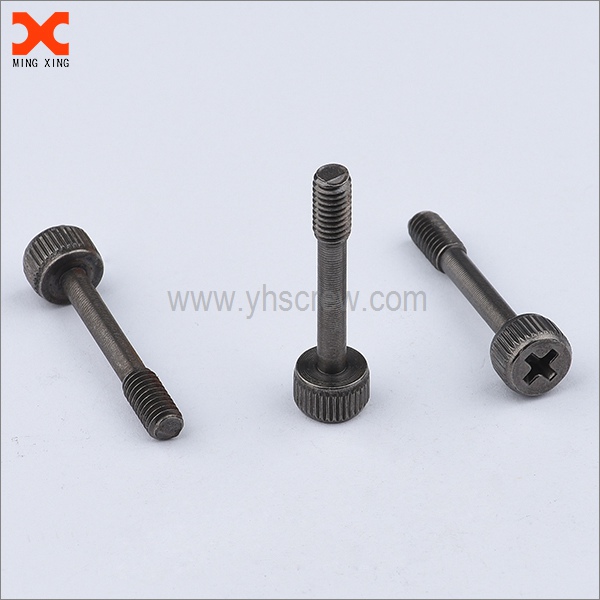
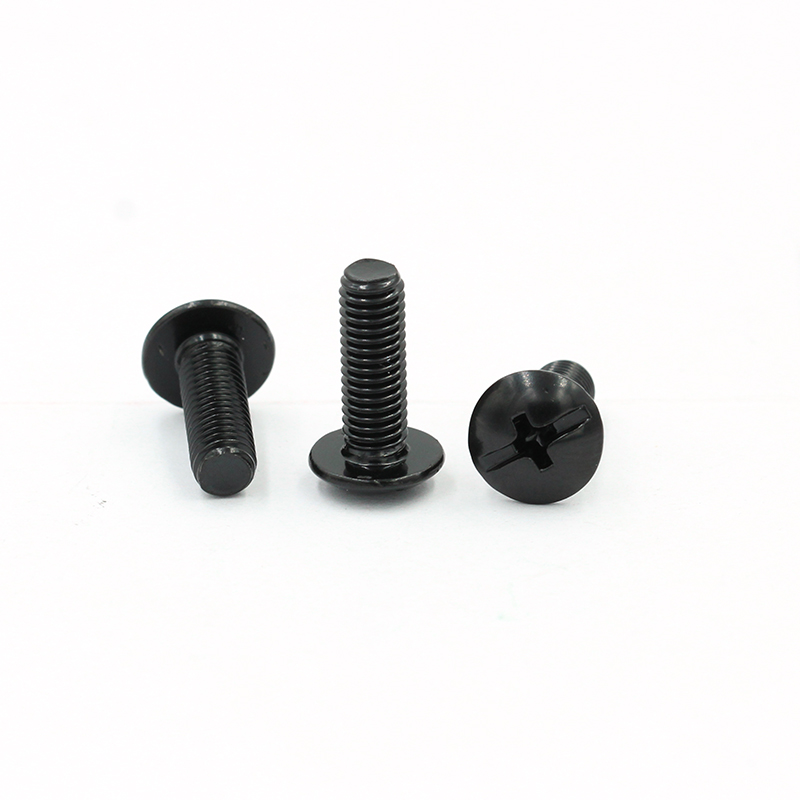
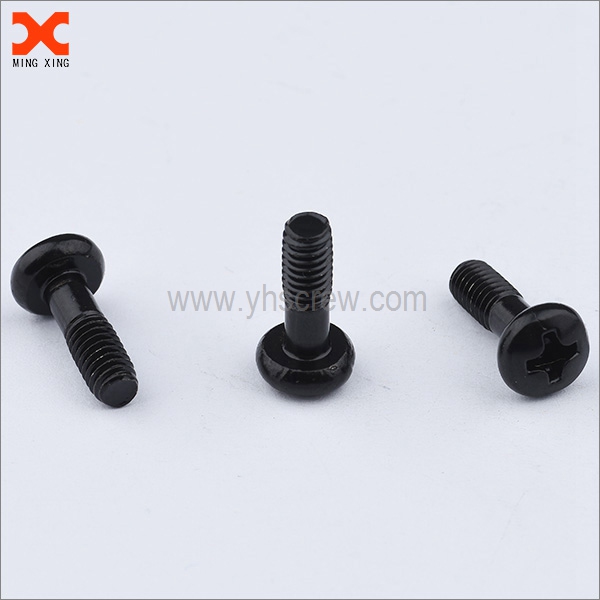
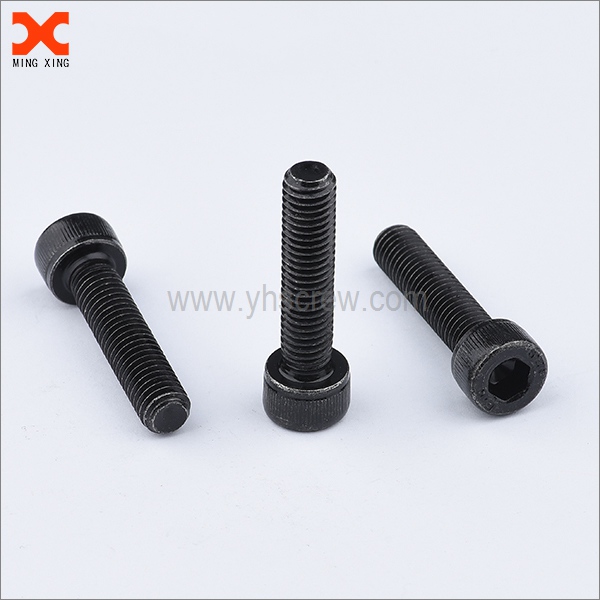
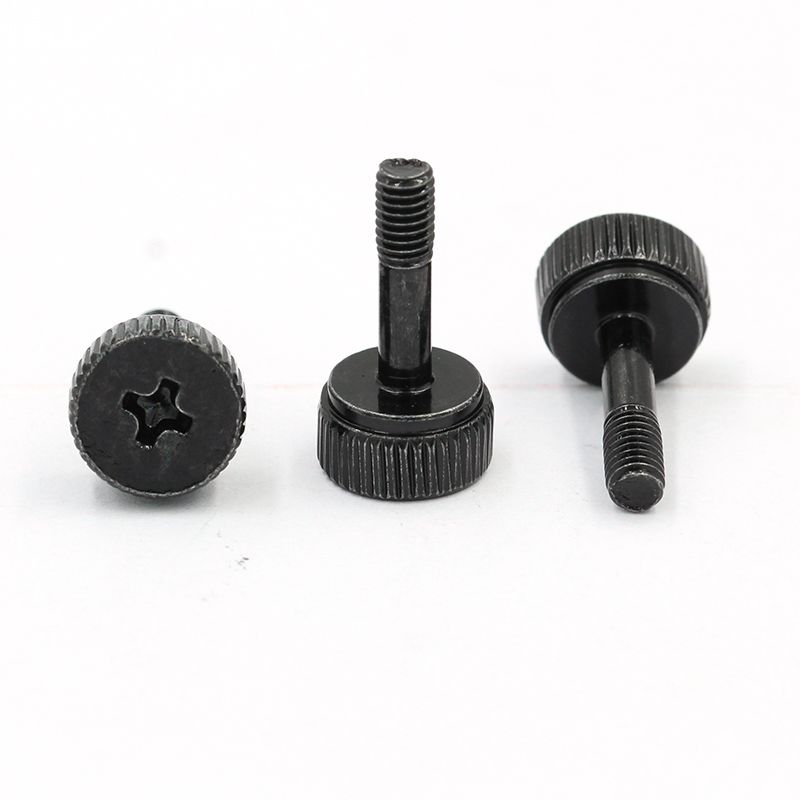
M2 black screws For the Current Year Sets the Industry Standard
Rising above conventional micro fasteners, M2 black screws are setting the current year's standard for precision electronics assembly. With a 2 mm diameter and a 0.4 mm thread pitch, these screws deliver reliable engagement in compact PCB mounts, camera modules, and handheld devices where every fraction of a millimeter matters. The modern finishes—black oxide or advanced PVD coatings—offer low glare aesthetics and enhanced corrosion resistance in challenging environments. Tighter tolerances ensure consistent head profile, drive fit, and thread engagement, enabling true interchangeability across global supply chains and downstream assembly lines. Global procurement teams gain from the typical M2 black screw: predictable lead times, scalable volumes, and clear compliance. Reputable suppliers provide traceable batches, rigorous surface inspection, pull and torque testing, and coating-thickness verification to reduce rework. Available in stainless steel and high-strength alloys to suit varying load requirements, these fasteners also support reliable automated feeding and clean packaging for contamination control. By standardizing on this level of precision this year, buyers can streamline BOMs, simplify sourcing, and ensure consistent performance across devices worldwide.
| Property | M2x4 | M2x6 | M2x8 | M2x10 |
|---|---|---|---|---|
| Size (D x L) | 2 × 4 | 2 × 6 | 2 × 8 | 2 × 10 |
| Head Type | Socket Cap | Socket Cap | Socket Cap | Socket Cap |
| Drive Type | Hex Socket (Allen) | Hex Socket (Allen) | Hex Socket (Allen) | Hex Socket (Allen) |
| Material | Alloy Steel | Alloy Steel | Alloy Steel | Alloy Steel |
| Coating | Black Oxide | Black Oxide | Black Oxide | Black Oxide |
| Standard | DIN 912 | DIN 912 | DIN 912 | DIN 912 |
| Thread Pitch | 0.40 | 0.40 | 0.40 | 0.40 |
| Tensile Strength (MPa) | 600-750 | 650-800 | 700-860 | 750-900 |
| Yield Strength (MPa) | 480-650 | 520-670 | 540-690 | 560-700 |
| Hardness (HRC) | 28-46 | 28-46 | 28-46 | 28-46 |
| Operating Temp (C) | -40 to 120 | -40 to 120 | -40 to 120 | -40 to 120 |
| Typical Applications | Electronics enclosures | Precision mechanical assemblies | Robotics and RC models | Small appliance fittings |
| Notes | Torque varies by length; lubrication recommended | Use appropriate torque to prevent stripping | Suitable for light-load applications | Not for high-vibration assemblies |
Related Products
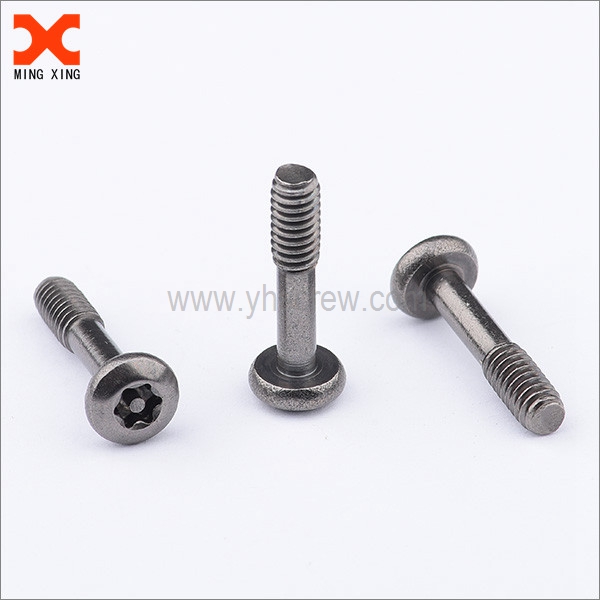

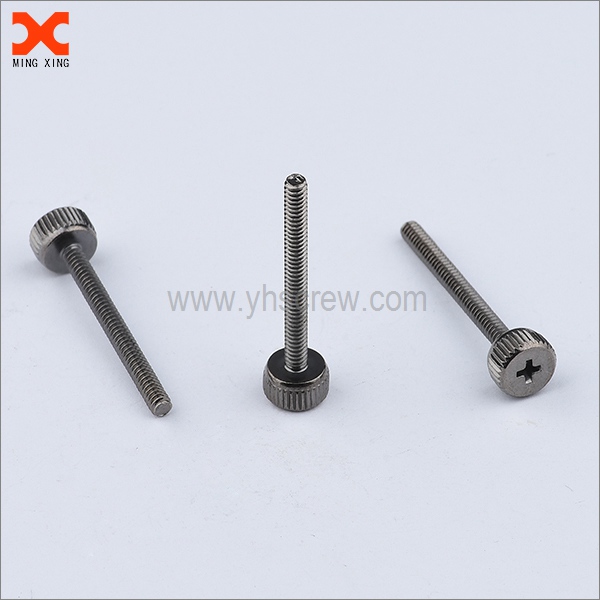
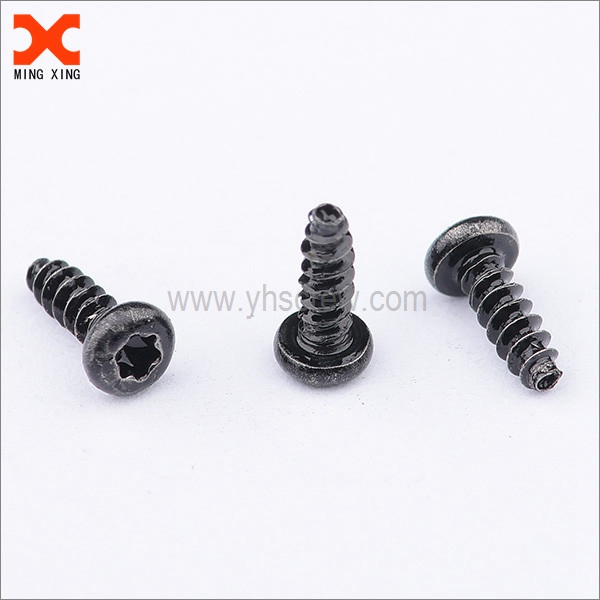

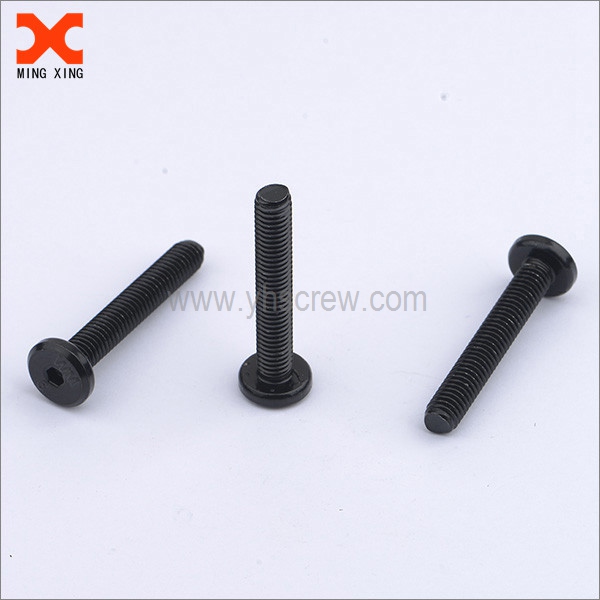

M2 black screws Factory More Than a Supplier - A Partner
Top Selling Products


- Related Blog
- Reviews
- Reviews

-

Phone
-

E-mail
-

Whatsapp
-

WeChat

-

Top