banner (1)

Loctit Patch Screw - China Manufacturer

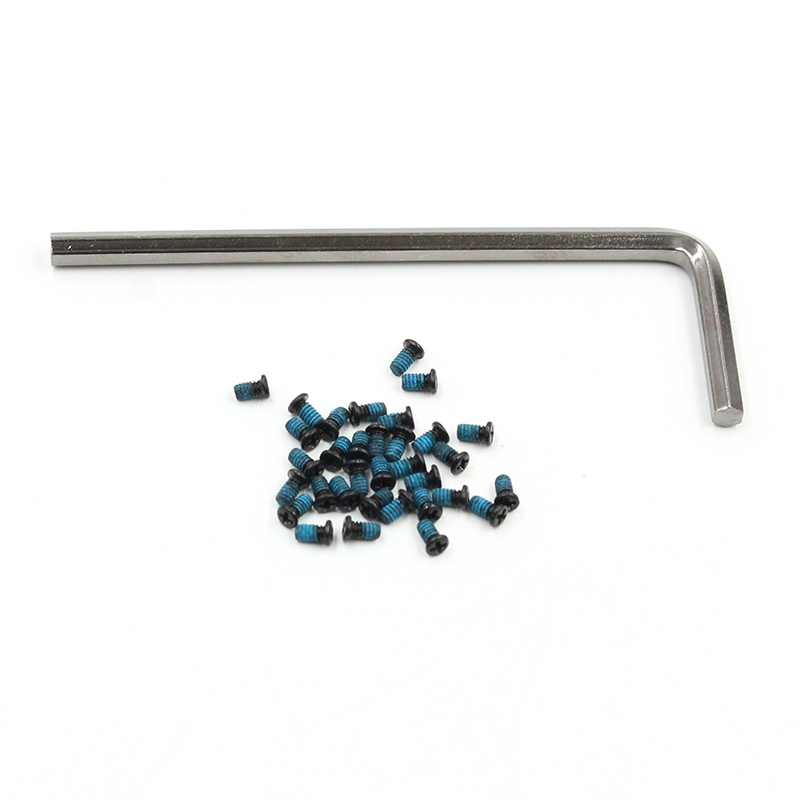
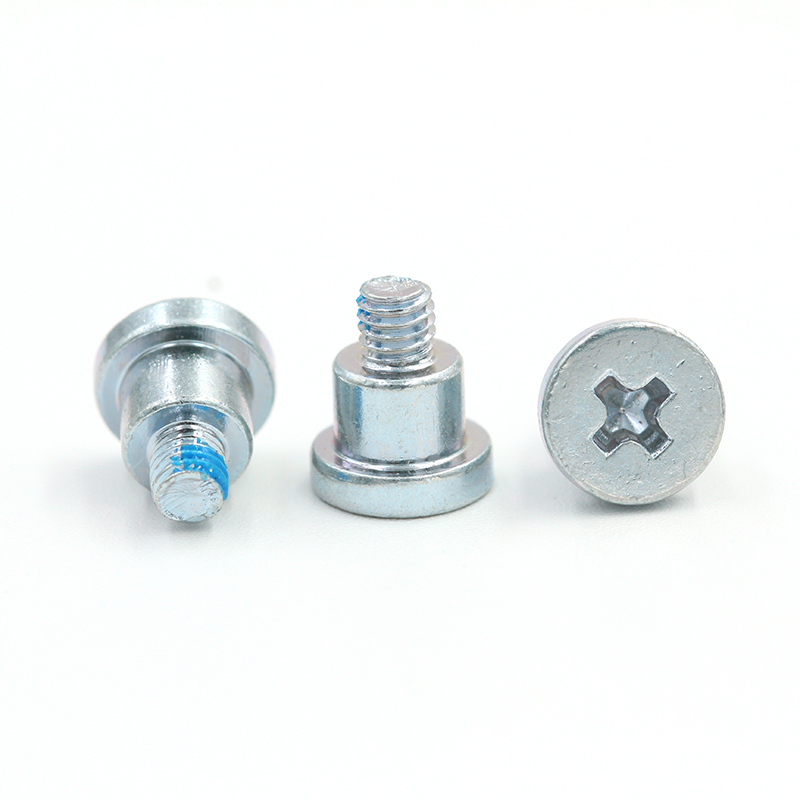
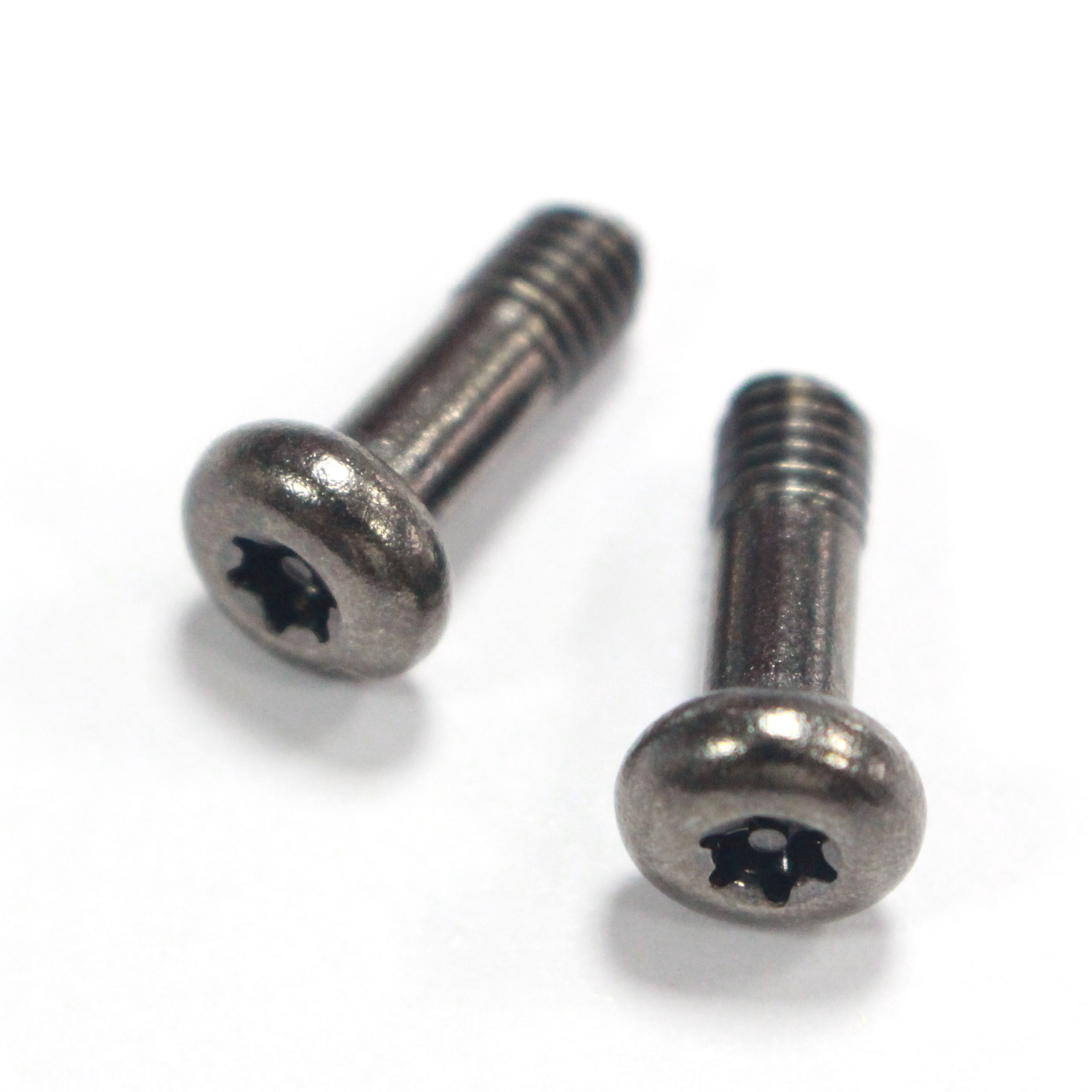
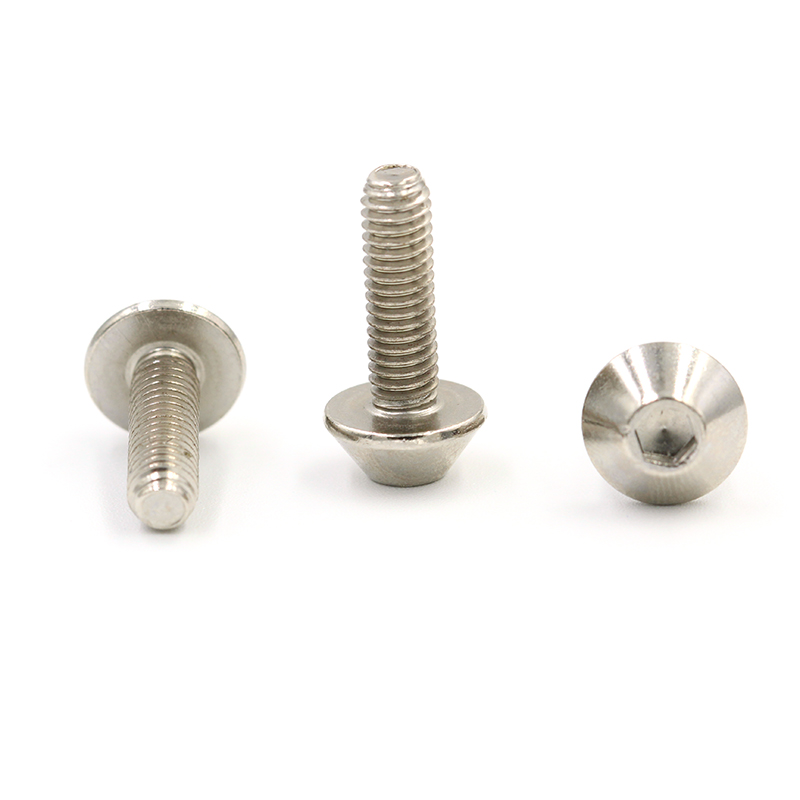
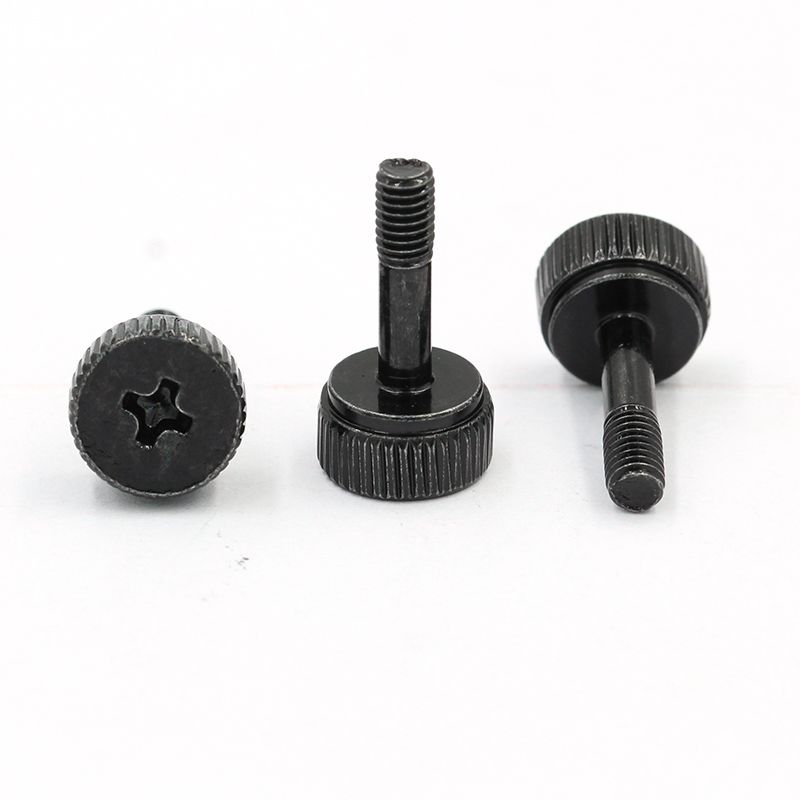
From our China-based workshop, I supply the loctit patch screw with proven anti-backout performance for aerospace, machinery, and electronics assemblies. As a Manufacturer with full QA, I test every batch with torque, corrosion, and fatigue checks, so you get stable clamping and long life in tough environments. Our loctit patch screw features integrated patch contact and precision threads, designed to resist vibration and loosening, even under high load. I can offer standard sizes or custom dimensions, fast delivery, and competitive pricing. When you buy, you talk to me directly, avoiding middlemen. I understand what your engineering team needs: compatibility with common materials, easy installation, reliable consistency, and traceable lot data. Based in China, we provide scalable supply for OEMs and distributors worldwide. Reach out with your specs, and I will craft a solution that fits your project timeline and budget.

Hot Selling Product

loctit patch screw Dominates Pioneers in the Field

Within the fast-paced electronics assembly space, a precision patch screw design is redefining reliability and efficiency. Its compact head and optimized thread pitch enable secure mounting for densely packed PCBs, sensors, and harnesses, while surface treatments offer corrosion resistance and stable torque. Compared with conventional fasteners, it reduces steps, minimizes loosening under vibration, and supports high-speed automated insertion—qualities valued by global manufacturers of compact, high‑performance devices across sectors. This design has begun to dominate the field among early adopters seeking reliability in tight spaces. To meet worldwide demand, producers leverage scalable manufacturing, stringent quality controls, and key certifications. Sourcing consistently with short lead times and flexible quantities helps procurement teams simplify supplier networks and reduce risk. With traceability and sustainable practices, this patch screw design sets benchmarks for reliability in rugged electronics and medical devices, appealing to global buyers seeking a dependable fastening solution.

{ loctit patch screw Dominates Pioneers in the Field}
Product_ID Material Coating Head_Type Diameter_mm Length_mm Thread_Pitch_mm Tensile_Strength_MPa Shear_Strength_MPa Corrosion_Resistance Application_Field Finish_Thickness_um Country_of_Manufacture
PS-A1 Stainless Steel 304 (A2) Zinc-Nickel Pan Head 4.8 12 0.50 700 320 Salt Spray 1000+ h Automotive, Electronics 5 Germany
PS-A2 Stainless Steel 304 (A2) Passivated Phillips Drive 5.0 20 0.80 640 300 Salt Spray 1000+ h Machinery, Construction 6 Italy
PS-B1 Stainless Steel 316 (A4) No Coating Hex Socket 6.3 25 0.90 520 270 Salt Spray 1200+ h Marine, Automotive 7 USA
PS-C1 Stainless Steel 304 Zinc-Plating Pan Head 8.0 30 1.00 520 260 Salt Spray 800-1000 h Electronics, Machinery 6 China
PS-D1 Stainless Steel 316 Chromate Button Head 10.0 40 1.25 480 240 Salt Spray 1000+ h Aerospace, Automotive 8 Taiwan
PS-E1 Stainless Steel 304 None Flat Head 4.0 16 0.70 450 210 Salt Spray 600-800 h Home, Electronics 5 Japan

Related Products

banner (2)

loctit patch screw Stands Out Trusted by Pros

Data Dimension: Surface Finish Influence on Fastener Reliability

This chart investigates how different surface finishes on fasteners influence three core performance dimensions under standardized testing: tensile strength consistency, wear resistance, and corrosion resistance. The dataset uses six finishes: Uncoated, Zinc Plated, Black Oxide, Powder Coated, Anodized, and Ceramic Coat. Each finish is assigned three scores on a 0-100 scale representing relative reliability in controlled conditions. The grouped bar chart displays, for every finish, the three metrics: Strength, Wear, and Corrosion. Higher scores indicate stronger reliability across that dimension. Key observations emerge from the visualization. Ceramic Coat consistently scores highest in corrosion resistance and overall reliability, followed by Anodized and Powder Coated finishes. Zinc Plated provides a favorable balance across dimensions, though it does not lead in any single metric. Uncoated and Black Oxide finishes show more modest performance, particularly in corrosion resistance, suggesting higher maintenance risk in corrosive environments. The chart emphasizes that a finish choice can meaningfully affect maintenance frequency, expected service life, and total cost of ownership, especially in applications exposed to moisture, temperature cycling, or abrasive contact. Methodologically, the values are synthetic for demonstration purposes but mirror common engineering insights: protective finishes tend to improve corrosion resistance and wear behavior, sometimes with trade-offs in frictional properties and assembly torque. The 0-100 scale is normalized to enable straightforward cross-finish comparisons, enabling stakeholders to quickly assess which combination of metrics best meets the intended service conditions. It is worth noting that real-world outcomes depend on numerous variables, including substrate material, thread engagement, lubrication, assembly torque, and exposure duration. This visualization is intended as a starting point for data-driven discussions among design engineers, procurement teams, and maintenance planners, illustrating how surface treatment decisions can influence reliability signals and lifecycle costs. The approach can be extended with more finishes, additional metrics, or time-series data to capture performance evolution over service life. The overall goal is to demonstrate a data-driven framework for evaluating fastener finishes and to support informed decision-making in design and operations.

Top Selling Products