banner (1)

Large Head Tapping Screw - Wholesale & Manufacturers Guide

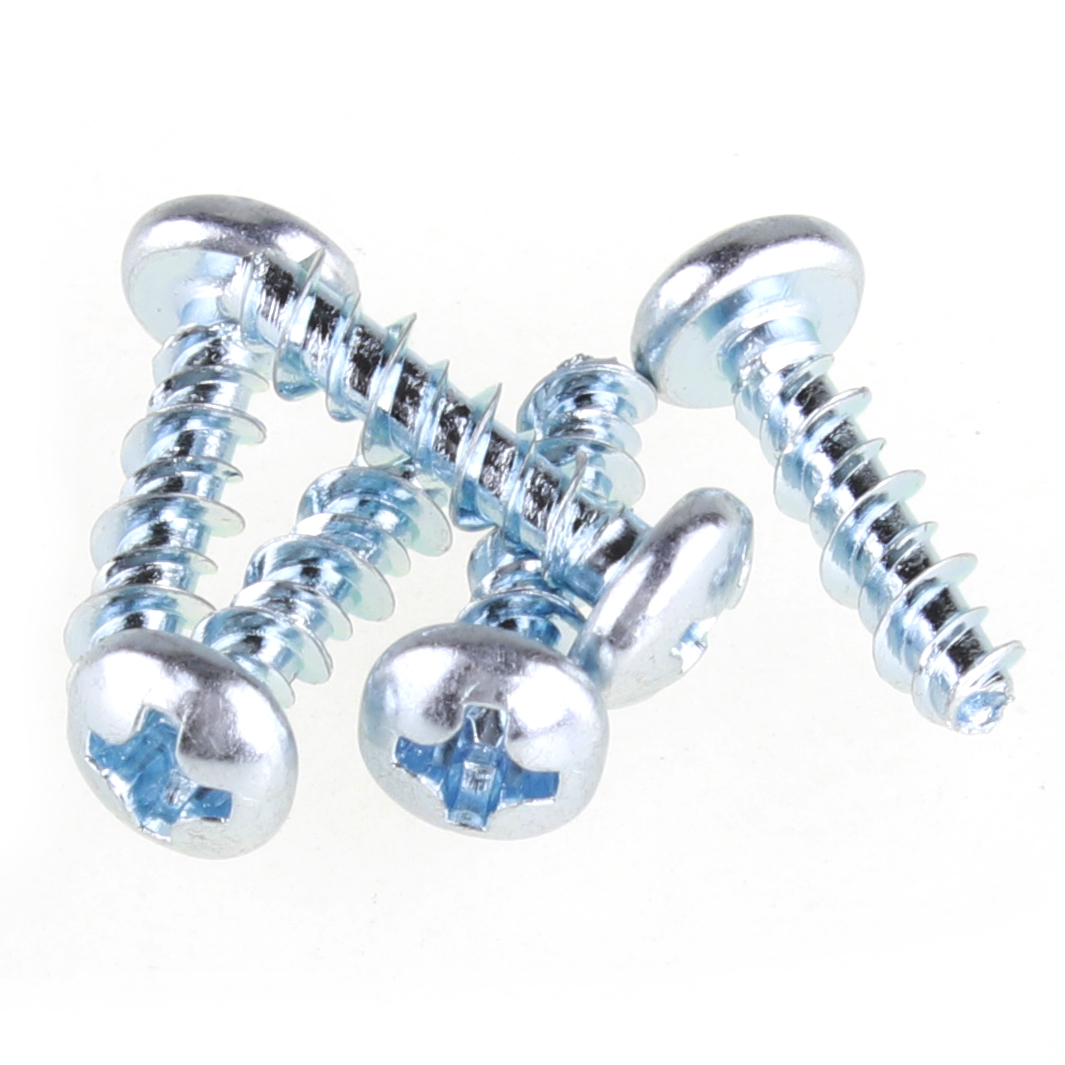
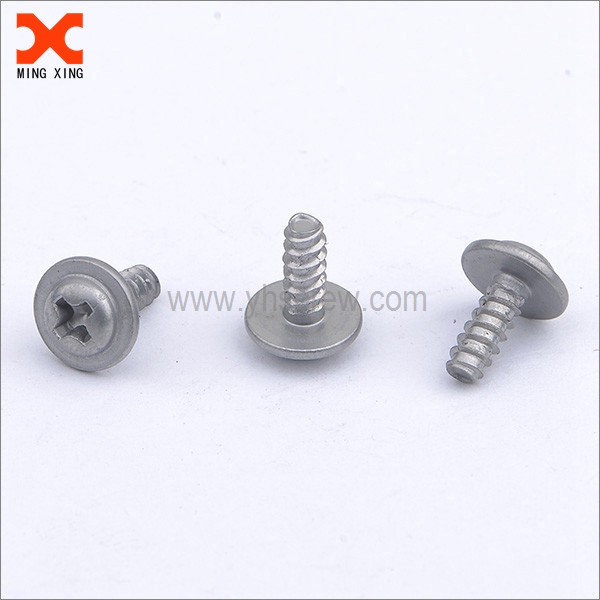
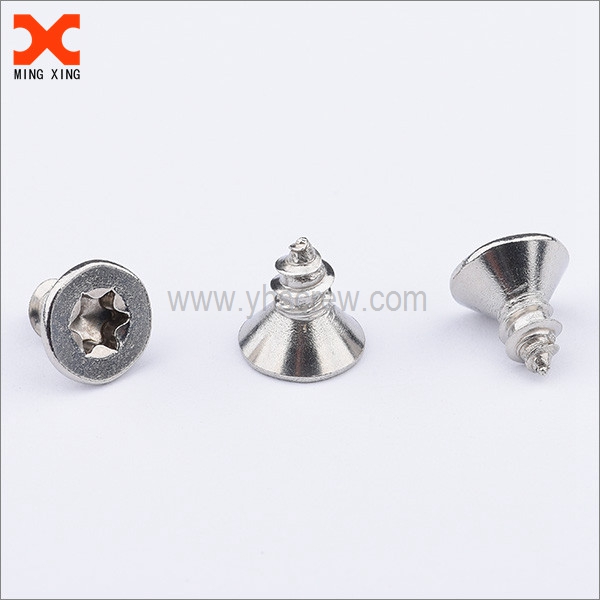
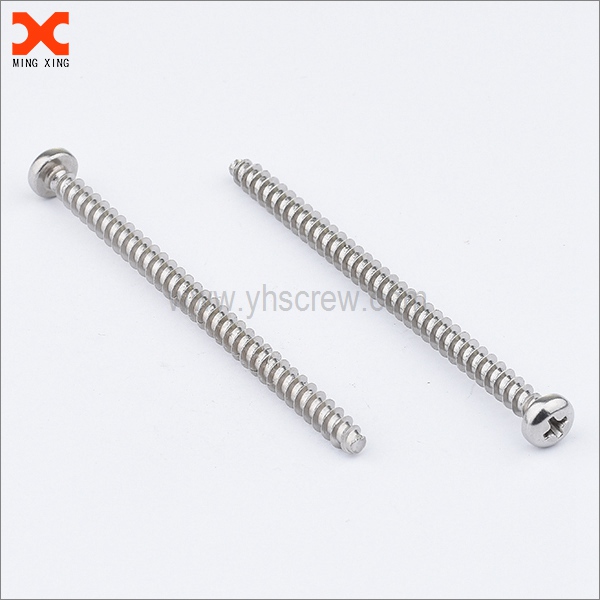
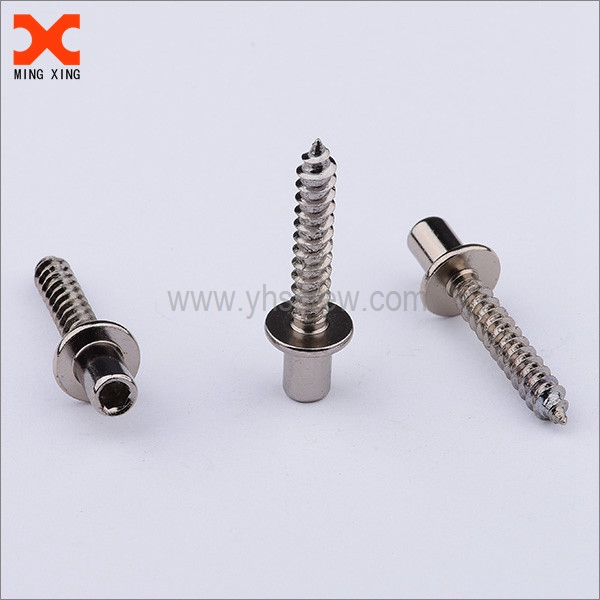
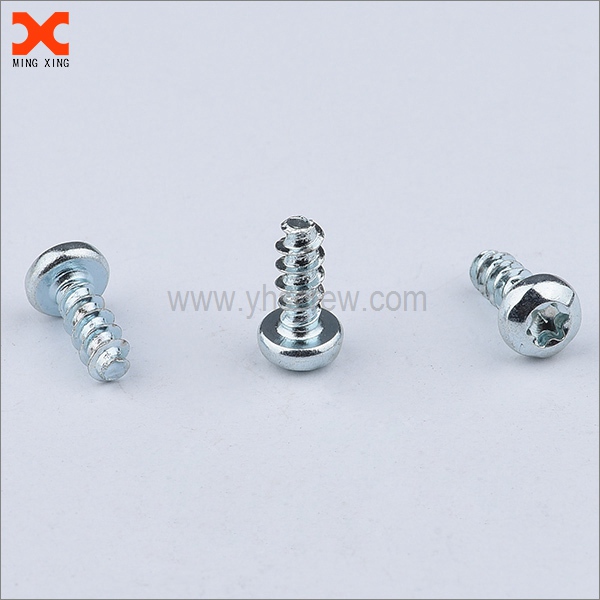
I’m your go-to source for the Large Head Tapping Screw, engineered for fast, secure joins in metal assemblies. For Wholesale and Manufacturers, I offer competitive bulk pricing, steady stock, and reliable lead times. This screw features a large, flat head for flush seating and a sharp tapping thread that cuts cleanly as it goes, reducing assembly steps. Choose from carbon steel with zinc plating for corrosion resistance or stainless options for harsher environments. I can tailor head size, drive type, and thread pitch to fit your equipment and production line. Packaging is flexible—bulk cartons, SKUs for pallets, or customer-specific labeling. I back every order with quality documentation and fast support to keep your line moving. Tell me your quantity and target timeline, and I’ll prepare a wholesale quote that helps Manufacturers streamline procurement and cut costs.

Hot Selling Product

Large Head Tapping Screw Stands Out Custom Solutions,

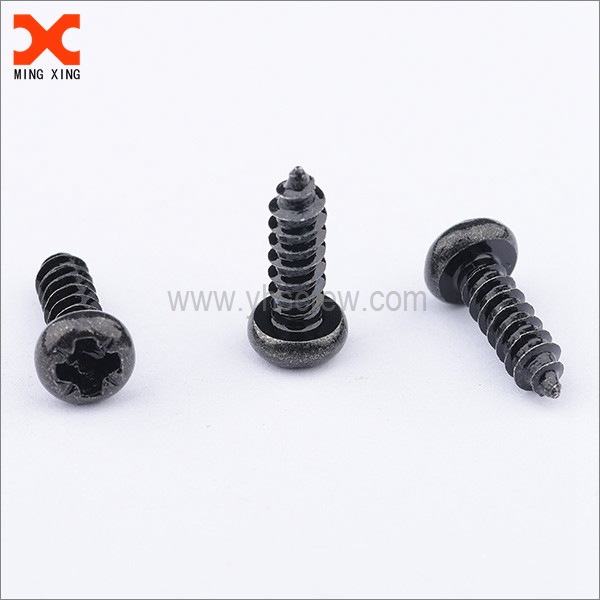
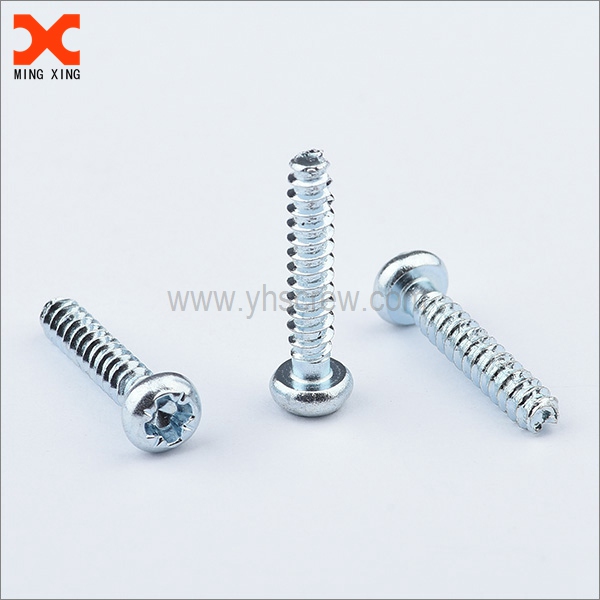
Large head tapping screws stand out in enclosures, machinery, and electronics by delivering strong, even clamping with a low-profile form. The large head distributes load across a bigger area, reducing pull-out risk, while self-tapping threads speed assembly on thin sheets. For global buyers, this means fewer parts, consistent torque, and reliable performance across product lines. Customization options cover head style, drive type, thread pitch, length, and material (carbon steel, stainless, or alloy). Finishes such as zinc, passivation, or black oxide enhance corrosion resistance and aesthetics. Specifying hardness, tolerance, and packaging supports automation and quality control in mass production. When sourcing internationally, provide clear drawings, required tests (torque, pull-out, salt spray), and acceptable tolerances. Request samples and pilot runs, confirm lead times and minimum orders, and verify certifications. A supplier that can scale from prototype to volume, maintain traceability, and offer design feedback helps products reach global markets more quickly and reliably.

{ Large Head Tapping Screw Stands Out Custom Solutions,}
Product Code Head Type Drive Type Material Finish Thread Size Length (mm) Head Diameter (mm) Tensile Strength (MPa) Usage
LHTS-01 Large Head PH2 Carbon Steel Zinc Yellow M6 16 12 800 Sheet metal assembly
LHTS-02 Large Head Torx T15 Carbon Steel Zinc Nickel M8 25 13 800 Automotive body panels
LHTS-03 Large Head PH3 Alloy Steel Black Oxide M10 30 15 1000 Heavy gauge metal structures
LHTS-04 Large Head Torx T20 Stainless Steel 304 Polished M6 18 14 520 Kitchen appliances
LHTS-05 Large Head PH2 Stainless Steel 316 Satin M8 40 15 650 Outdoor enclosures
LHTS-06 Large Head Torx T25 Alloy Steel Black Oxide M12 50 16 900 Enclosures, chassis

Related Products

banner (2)

Large Head Tapping Screw Application Guarantees Peak Performance

Head Diameter (mm) vs Stabilized Driving Torque (N·cm) Across Production Batches

This chart visualizes the relationship between head diameter variability and stabilized driving torque across twelve consecutive production batches. The horizontal axis lists production batches (1–12). The primary series, "Head Diameter (mm)", tracks average nominal head sizes with minor fluctuations reflecting machining tolerances and material springback. The secondary series, "Stabilized Driving Torque (N·cm)", shows the mean torque required to drive tapping screws until engagement stabilization during assembly tests. Both metrics are sampled from inline gauging and torque-sensing fixtures under controlled conditions. Observed trends suggest a strong correlation: batches with slightly larger head diameters tend to show modest increases in driving torque, attributable to increased contact surface and friction at the mating hole. Batches 4 and 9 demonstrate the largest diameter deviations and correspondingly higher torque peaks, indicating potential tool wear or feeding anomalies during those runs. Conversely, batches 6 and 11 exhibit tighter diameter control and the lowest torque variance, consistent with optimized die settings and stable material feed. This visualization helps production engineers identify outliers, prioritize maintenance, and refine process windows. By overlaying dimensional and performance metrics, the chart supports root-cause hypotheses—whether torque spikes are driven primarily by geometric variation, lubrication inconsistency, or material hardness shifts. Recommended actions include targeted inspection of tooling for batches that deviate by more than two standard deviations, trial adjustments to tapping speed and lubrication delivery, and correlation with material batch numbers to rule out raw-stock influence. Regularly monitoring these paired metrics facilitates predictive maintenance and continuous improvement, ultimately improving assembly consistency and reducing rejection rates during downstream operations. Long-term aggregated datasets enable statistical modeling and the creation of control charts so that threshold alerts can prevent excursions before they affect yield. Integrating operator logs with the metric stream improves diagnostics and speeds corrective action and reduce overall warranty cost impacts across product families globally.

Top Selling Products