banner (1)

Knurled Nut Insert - High-Quality Supplier of Durable Fasteners

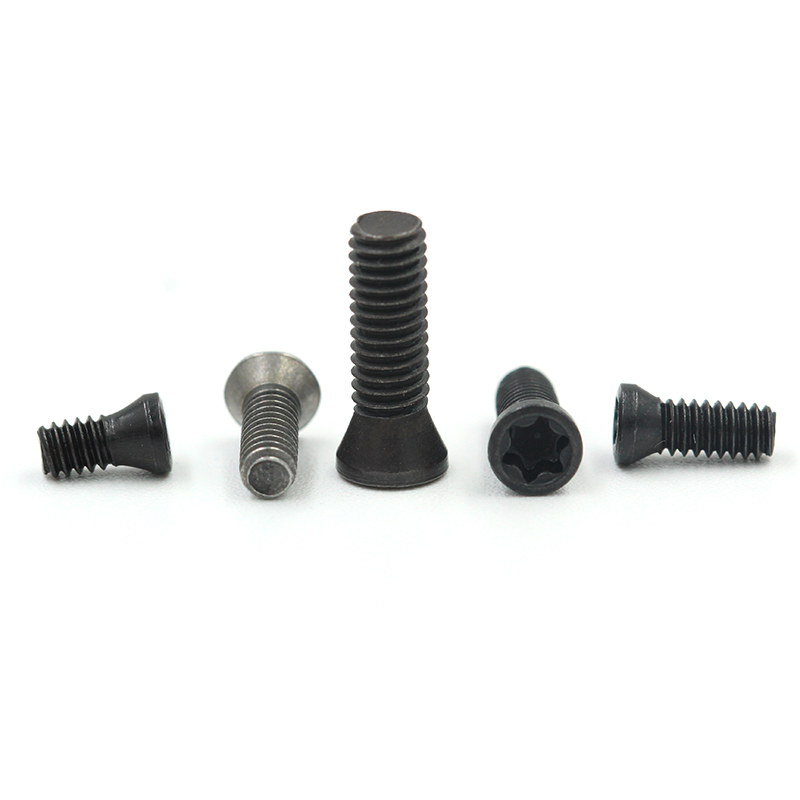
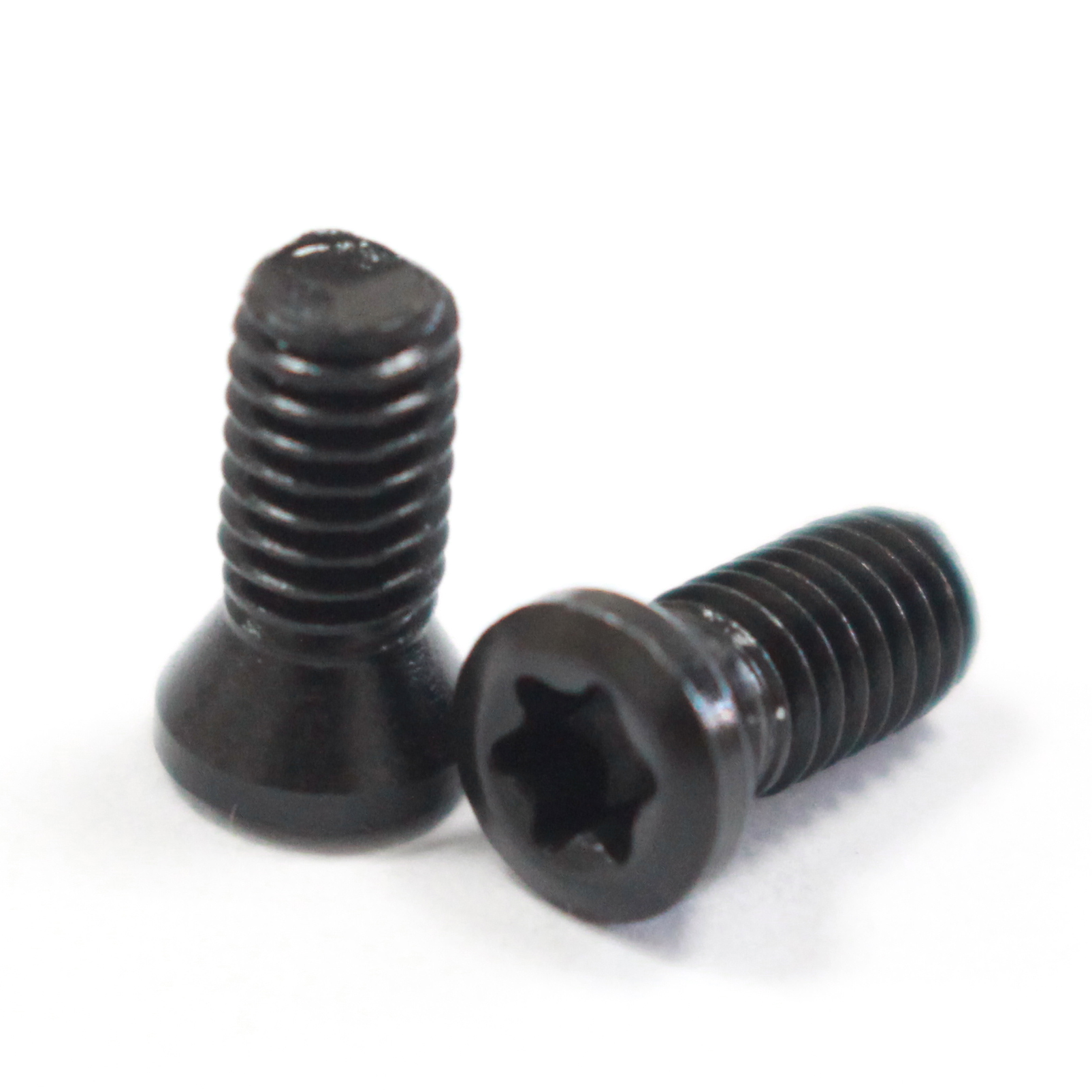
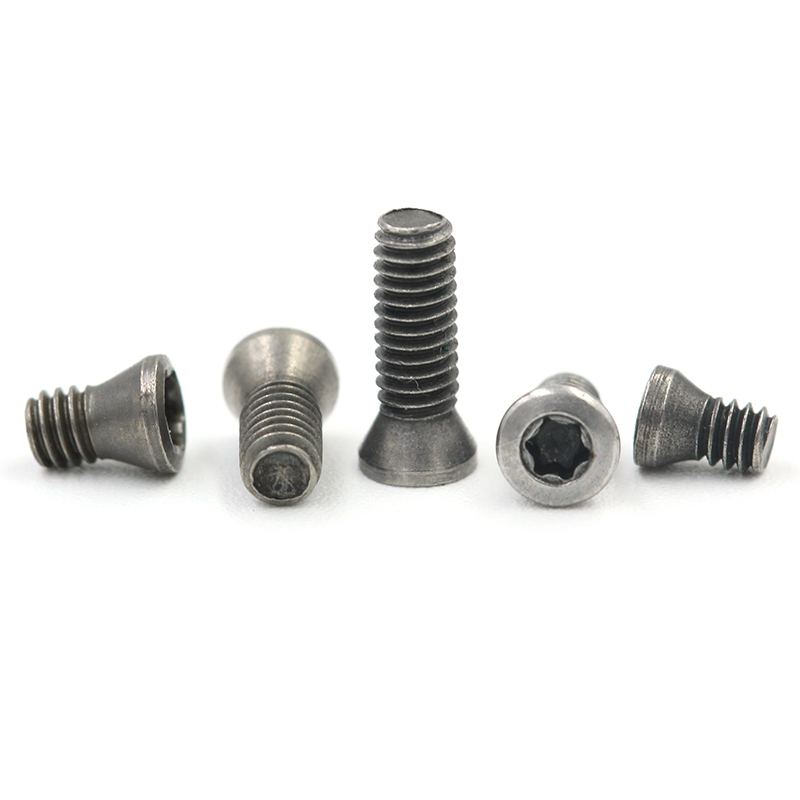
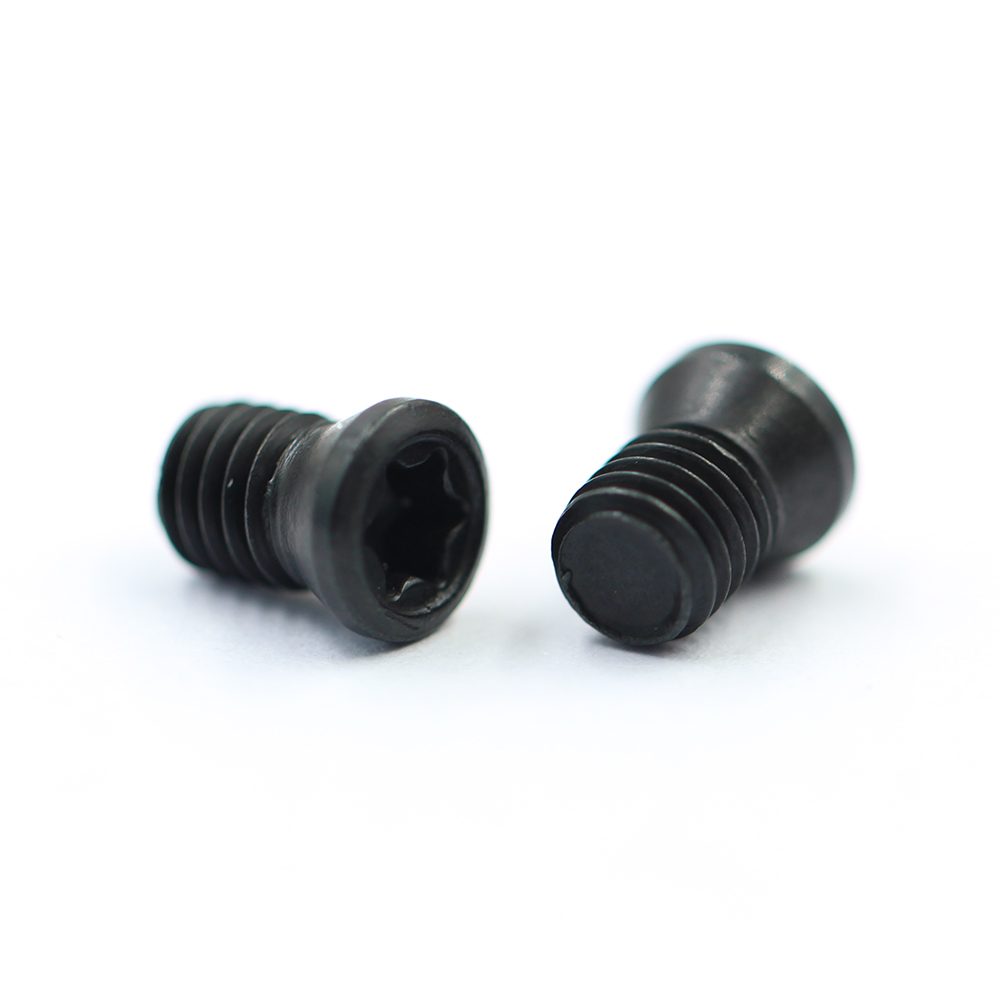
I supply knurled nut insert solutions that stand up to heavy use in plastics and lightweight metals. As a High-Quality Supplier, I focus on reliable grip, easy installation, and long service life. The {knurled nut insert} thread forms are designed for press-in or heat-set installation, delivering secure load transfer and vibration resistance in automotive, electrical, and consumer equipment. My range covers common metric and imperial sizes, with options in stainless steel, brass, and aviation-grade aluminum to match corrosion resistance and weight targets. Customers appreciate consistent tolerances, clean knurling, and tool-friendly profiles that minimize insertion force while maximizing pull-out strength. I also offer flexible packaging, technical datasheets, and support for process validation to help your production line stay efficient. If you seek a partner who prioritizes durability, supply reliability, and clear documentation, I’m here to help you source exactly what you need from a trusted supplier.

Hot Selling Product

knurled nut insert Industry Leaders Now Trending

Knurled nut inserts are now trending as a reliable fastening solution for plastics and lightweight metals. Industry leaders favor knurled variants for high pull-out resistance, vibration damping, and easy installation without taps. Self-tapping, heat-set, and press-in styles dominate electronics housings, automotive components, and consumer devices. Material choices are expanding: stainless steel for corrosion resistance, brass for cost, and aluminum for weight savings, often with nickel or zinc finishes. Custom knurl patterns, barrel lengths, and thread sizes can be tailored to shorten prototyping cycles and streamline high-volume production. For global buyers, selecting a supplier means more than part specs. Prioritize quality systems, traceability, and compliance with RoHS/REACH where applicable. Consider dual sourcing and regional hubs to reduce risk, and request packaging that protects inserts in transit. Advances in automation support precise insertion and in-line inspection, delivering consistent performance. Look for design support, material guidance, and reliable logistics to shorten the path from quote to production.

knurled nut insert Industry Leaders Now Trending
Thread Size Drill Size (mm) Insert Length (mm) Knurl Diameter (mm) Material Coating Installation Method Max Torque (N·m) Pull-out Strength (N)
M2 1.8 6.0 4.0 Stainless Steel 304 Zinc Press-fit 0.25 120
M2.5 2.0 6.5 4.8 Stainless Steel 304 Zinc Press-fit 0.40 150
M3 3.0 7.0 5.0 Stainless Steel 304 Zinc Press-fit 0.60 210
M4 3.8 8.5 6.2 Stainless Steel 304 Zinc Press-fit 0.85 420
M5 4.6 9.5 7.5 Stainless Steel 316 Nickel Press-fit 1.20 550
M6 5.0 10.0 9.0 Stainless Steel 316 Nickel Press-fit 1.80 700

Related Products

banner (2)

knurled nut insert Manufacturer Exceeds Industry Benchmarks

Data Dimension: Throughput by Insertion Process Variant

Explanation: This chart presents the production throughput (units per hour) observed across five process variants for knurled nut insert production. The data dimension 'Throughput by Insertion Process Variant' captures how changes in tooling, feed rate, and cycle time influence output efficiency. The baseline represents the current standard process, while Variant A through Variant D reflect incremental improvements tested on the production line. Data were collected over a four-week period across two shifts, with throughput measured as complete inserts produced per hour and averaged after stabilizing run-in periods to reduce startup variance. The maximum throughput observed is 180 units per hour for Variant D, indicating potential gains of up to 50% relative to baseline. In addition to throughput, practical observations suggest that improved alignment and reduced jig changes contributed to more consistent cycle times, which is partially reflected by the modest variation among Variants. The chart uses a uniform y-axis scale from 0 to 200 to enable direct comparison. Bar heights illustrate average hourly throughput, while the color coding differentiates variants for quick visual assessment. The data imply that process optimization—such as refined feed rates, better clamping, and optimized cutting parameters—can yield meaningful gains in output without compromising quality when quality metrics are monitored in parallel. Presenting this data alongside industry benchmarks helps determine whether the implemented changes produce sustained productivity gains under real-world manufacturing conditions. While results are encouraging, the analysis should be complemented with defect rate, tool wear, and downtime metrics to provide a holistic view of performance. Further experiments could explore interactions between variant settings and batch size to ensure the observed gains are robust across production scales and to identify any diminishing returns at higher outputs.

Top Selling Products