banner (1)

HEXAGON SOCKET SET SCREW WITH CUP POINT - Exporter

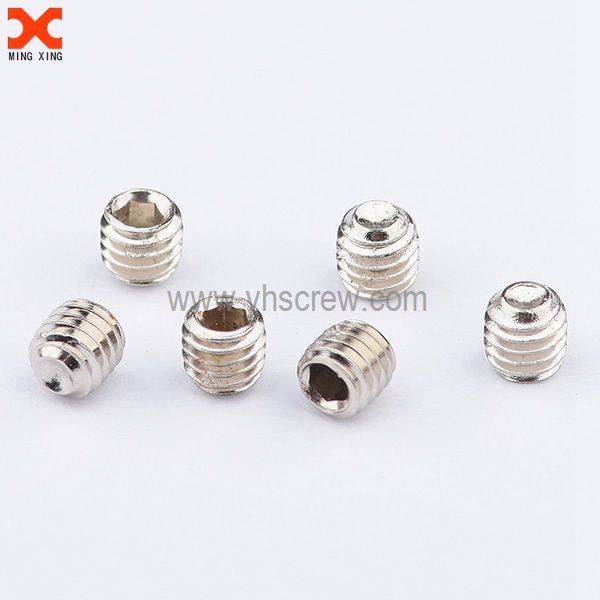
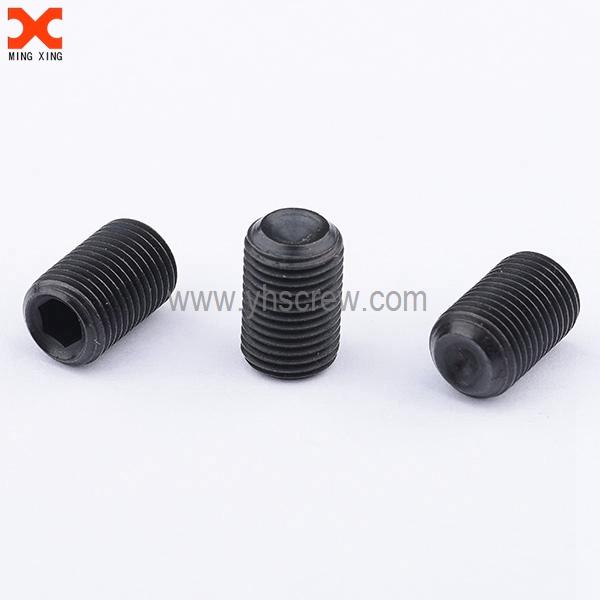
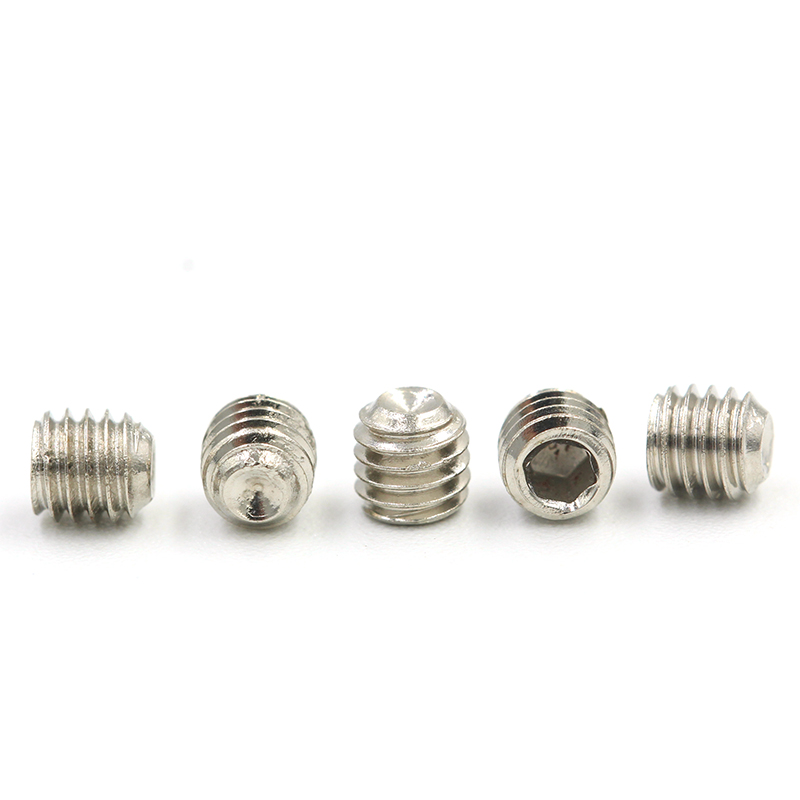
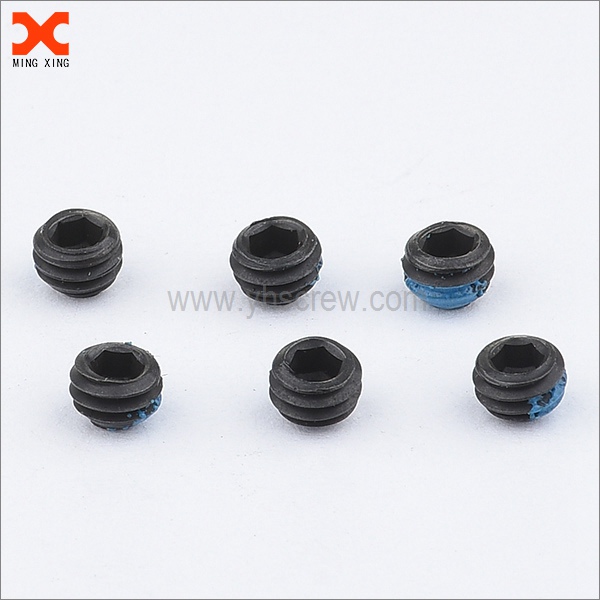
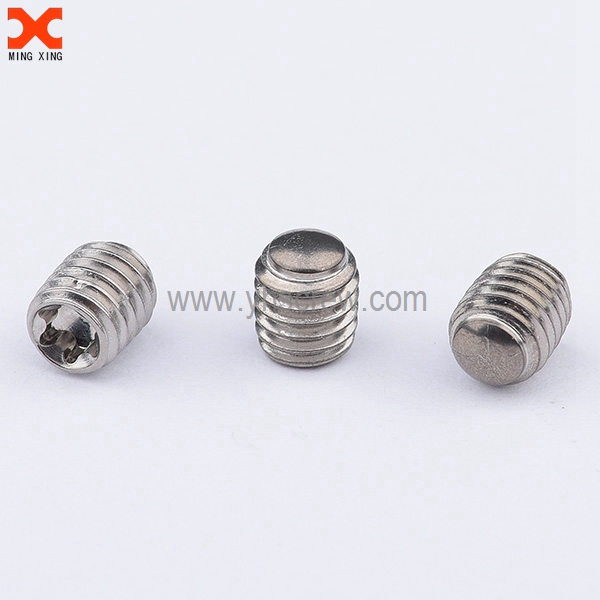
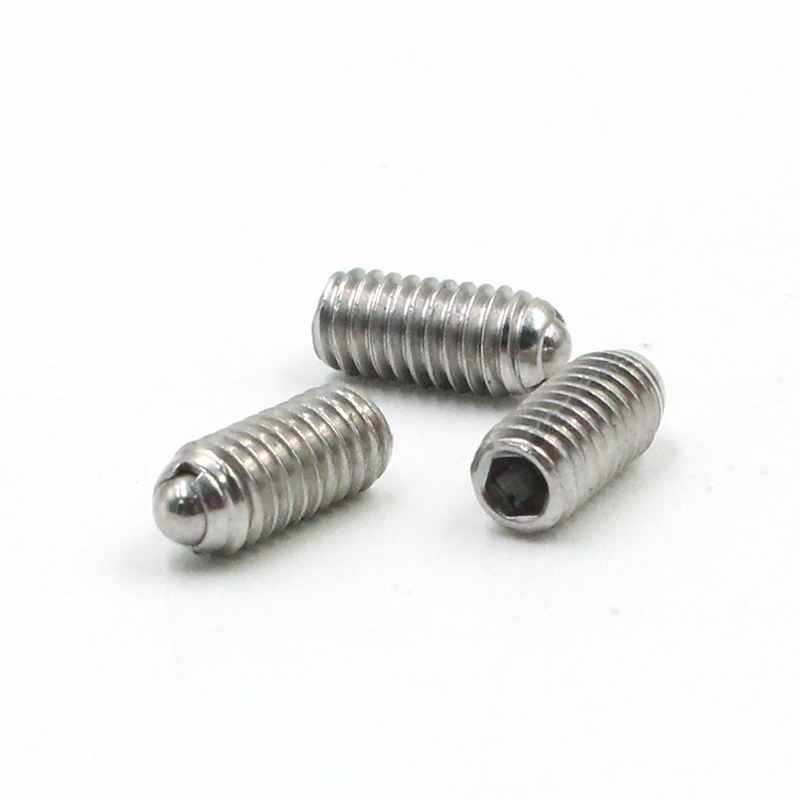
As a seasoned buyer and exporter, I know what matters in fastener supply: consistent quality, fast delivery, and clear labeling. The HEXAGON SOCKET SET SCREW WITH CUP POINT is built for reliability in high-vibration environments. Crafted from hardened alloy steel, heat-treated for strength, it resists wear and corrosion. Cup point seats firmly, reducing self-loosening and maintaining torque. The set is sized for common metric ranges, comes in a rugged tray for quick pick-and-place on assembly lines, and ships with label readability for easy identification. Tolerances meet DIN ISO standards, ensuring interchangeability with standard tools. Perfect for automotive, machining, and equipment assembly. Buy with confidence and streamline your procurement with our exporter-ready packaging and documented specification sheets. If you’re sourcing for volume, this selection helps keep downtime low and productivity up.

Hot Selling Product

HEXAGON SOCKET SET SCREW WITH CUP POINT Market Leader For the Current Year

This year, hex socket set screws with cup point are widely recognized as a market leader for their reliable self-centering action, high torque transfer, and resistance to cam-out in vibration-prone assemblies. The cup-point geometry concentrates contact, improves seating consistency, and helps secure components in machinery, electronics enclosures, fixtures, and automotive subsystems. Global buyers seek standardized products, consistent quality, and scalable supply to support diverse applications—from automation to consumer electronics. For procurement, select material and finish suited to the application: carbon steel with protective coatings for general use, or stainless steel for corrosive environments; verify hardness range, heat treatment, and tight tolerances. Demand traceable lot records, inspection reports, and certifications aligned with ISO 9001 or equivalent. Assess lead times, packaging, and minimum order quantities, plus capabilities for customization (length, thread size, drive style). A reliable supplier will provide material certificates, transparent logistics, and sustainable sourcing practices.

HEXAGON SOCKET SET SCREW WITH CUP POINT Market Leader For the Current Year
Part Number Standard Material Finish Thread Size Length (mm) Hex Socket Size (mm) Cup Point Style Hardness (HRC) Weight (g) Coating Lead Time (days)
SCS-CUP-M3-6 DIN 916 Stainless Steel A2-70 Plain M3 6 2.5 Cup 44-46 0.20 None 3
SCS-CUP-M4-8 DIN 916 Alloy Steel CK45 Zinc Plated M4 8 3.0 Cup 45-50 0.38 Zinc 4
SCS-CUP-M5-10 DIN 916 Alloy Steel CK45 Black Oxide M5 10 3.5 Cup 45-50 0.58 Black Oxide 5
SCS-CUP-M6-12 DIN 916 Stainless Steel A2-70 Plain M6 12 4.0 Cup 48-52 1.0 Plain 5
SCS-CUP-M8-14 DIN 916 Stainless Steel A2-70 Plain M8 14 5.0 Cup 50-54 2.0 Plain 6
SCS-CUP-M10-16 DIN 916 Alloy Steel CK45 Zinc Plated M10 16 8.0 Cup 46-52 2.9 Zinc 7
SCS-CUP-M12-20 DIN 916 Alloy Steel CK45 Zinc Plated M12 20 10.0 Cup 46-52 4.1 Zinc 7
SCS-CUP-M16-22 DIN 916 Alloy Steel CK45 Black Oxide M16 22 12.0 Cup 46-52 6.0 Black Oxide 8

Related Products

banner (2)

HEXAGON SOCKET SET SCREW WITH CUP POINT in 2025 Delivers Unmatched Quality

Data Dimension: Quality Metrics Across Cup Point Hex Socket Set Screws (2025)

Global Quality Metrics Distribution for Cup Point Hex Socket Screws

TS HRC Coating Tolerance Wear Corrosion Yield

Explanation and context: This chart presents a data-driven snapshot of key quality metrics for a hypothetical hexagon socket set screw with a cup point in 2025. The data dimensions used are: Tensile Strength, Hardness (HRC), Coating Durability, Dimensional Tolerance, Wear Resistance, Corrosion Resistance, and Production Yield. Each bar encodes a single dimension on a 0–100 scale, enabling direct comparison across aspects of performance. The values implemented here (92, 88, 85, 97, 90, 93, 98) are synthetic and intended to illustrate how a multi-criteria quality profile might look. The chart uses a simple, static SVG so it can be embedded in any page without dependencies. The color scheme differentiates dimensions, but all bars share a common baseline, emphasizing relative performance rather than absolute units.

In interpretation, the highest score is Production Yield (98), indicating process efficiency and consistent output. Coating Durability (97) and Corrosion Resistance (93) also perform well, reflecting robust surface treatment and material endurance. Tensile Strength (92) and Wear Resistance (90) show strong mechanical performance under load and wear, while Dimensional Tolerance (85) and Hardness (88) point to small but meaningful levers for improvement. The distribution suggests a balanced quality footprint: no single metric dominates yet several are near peak performance, implying that optimization efforts could yield cumulative gains rather than a single leap. This perspective is valuable for teams evaluating supplier capabilities, QA thresholds, and process improvements.

Methodologically, the values are normalized to 0–100 for readability, but in real deployments you would map to actual units and include error bars or confidence intervals. Limitations of synthetic data include the absence of variability, batch effects, and measurement uncertainty. To advance the analysis, integrate actual manufacturing data across batches, lines, or material grades, and consider longitudinal trends. Future enhancements might include interactive charts, drill-downs by sub-sample, and scenario analysis to estimate the impact of process changes on overall product quality in 2025 and beyond. This approach supports decisions around process optimization, supplier selection, and quality assurance strategies in the years ahead.

Top Selling Products