

Hex Socket Bolts for OEM and Suppliers
We specialize in Hex Socket Bolts designed for OEM applications and tight assembly tolerances. As a trusted supplier, I understand that you need reliable performance, traceable quality, and fast delivery from reputable Suppliers. Our Hex Socket Bolts are engineered in carbon and stainless steel grades, heat-treated for high tensile strength, with precise thread pitches and corrosion resistance. We offer ISO/DIN-compliant variants, customizable finishes, and packaging options to fit your production line. Whether you need metric or imperial sizes, long or short grip, we can adapt for OEM projects, with short lead times and consistent stock. Our QA process includes lot traceability, material certificates, and on-time shipments. If you’re sourcing from reliable Suppliers, my team and I are ready to support your design reviews and supply chain demands. Let’s talk about your bolt specs, quantities, and delivery schedule.
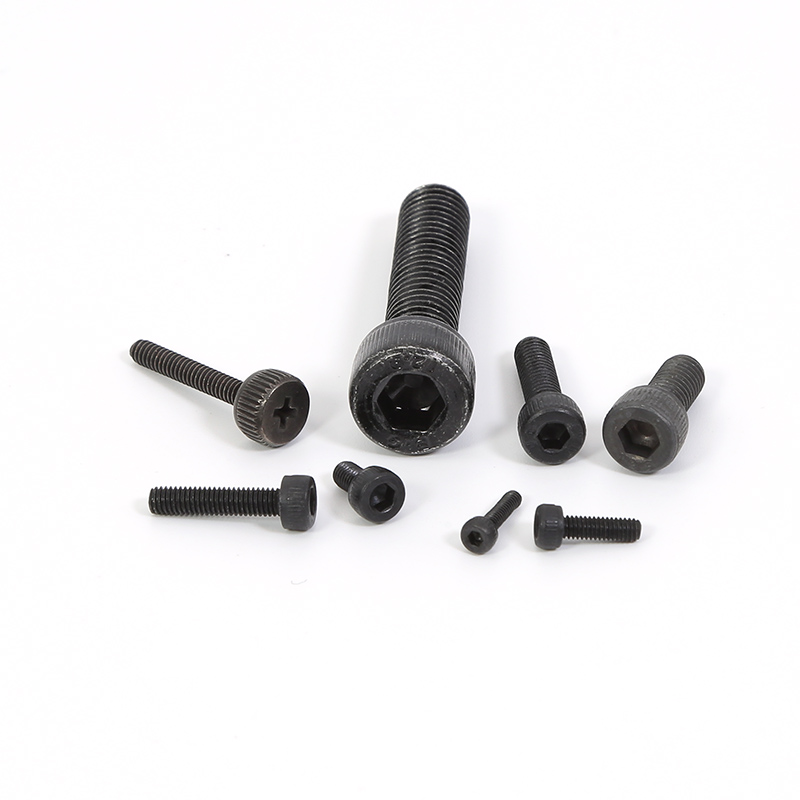
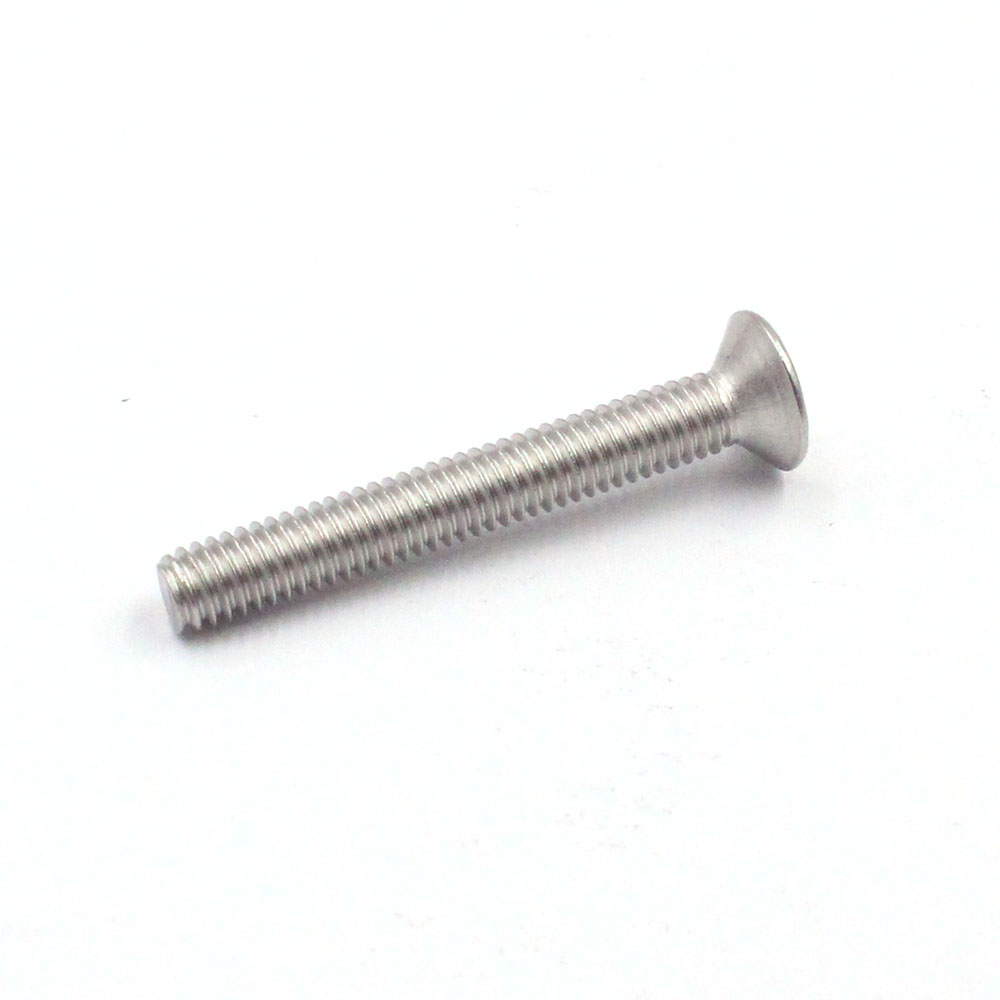
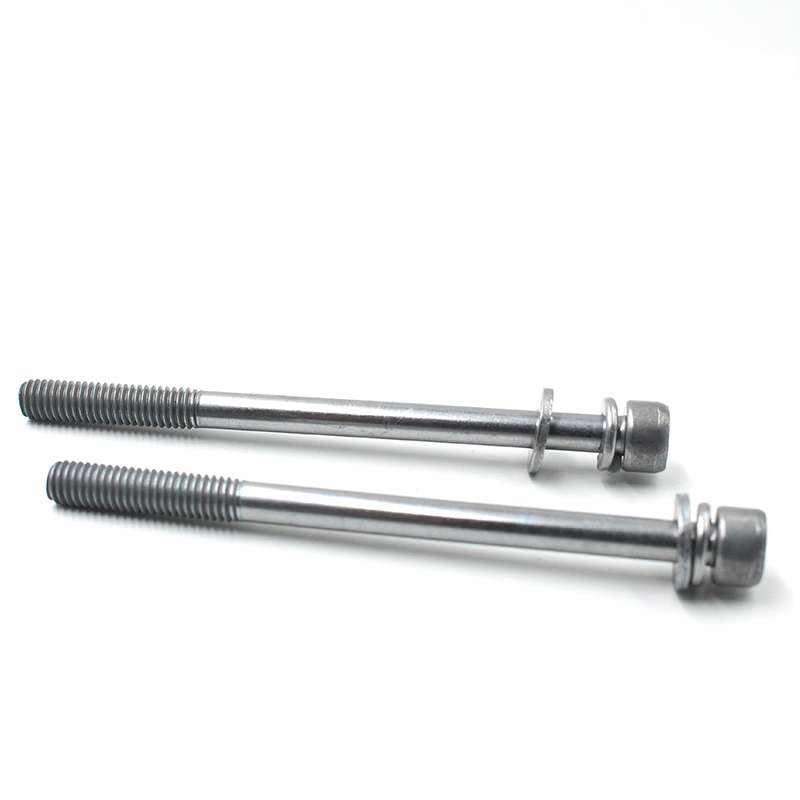

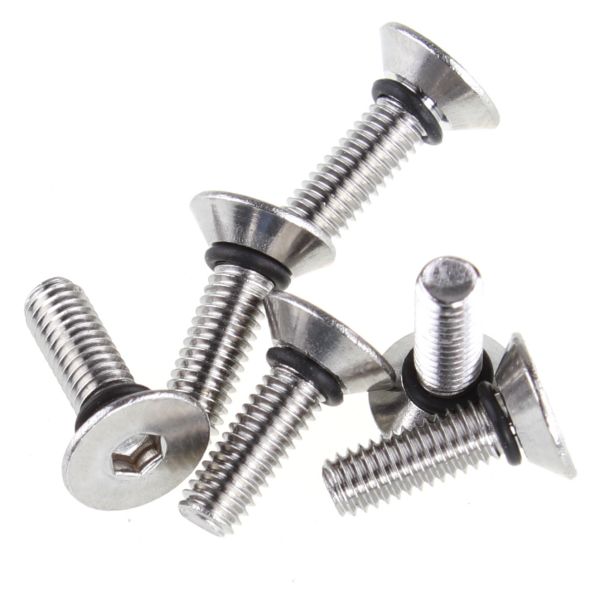

Hex Socket Bolts Factory More Than a Supplier - A Partner
Global buyers seek more than parts; they want a partner who delivers reliability, flexibility, and value. A hex socket bolts factory can turn custom requirements into consistent performance, from material choice and head geometry to heat treatment and surface finishing. Shifting from a pure supplier to a true partner brings transparency, dependable lead times, and direct factory pricing that reduces hidden costs without compromising quality. Whether you serve aerospace, automotive, or machinery and electronics, you need a scalable, compliant supply chain. In-house production, rigorous quality control, traceable lots, and documentation for key standards build confidence. Flexible minimum orders, fast sampling, and coordinated logistics shorten cycles, while long-term collaboration safeguards continuity in volatile markets. In short, a reliable hex socket bolts partner supports uptime, quality, and cost efficiency across your global operations.
| Site | Region | Production Type | Annual Capacity (million units/year) | Automation Level (%) | Employees | Certifications | Lead Time (days) | Delivery Reliability (%) | Energy Intensity (kWh/unit) | Waste Recycling Rate (%) | Sustainability Score |
|---|---|---|---|---|---|---|---|---|---|---|---|
| Site 001 | Europe | Cold Forging & Machining | 4.2 | 78 | 210 | ISO 9001; ISO 14001 | 14 | 96 | 0.85 | 92 | 83 |
| Site 002 | Asia | High-Volume Threading & Finishing | 6.8 | 82 | 320 | ISO 9001; ISO 14001 | 11 | 97 | 0.76 | 89 | 87 |
| Site 003 | North America | Precision Machining & Assembly | 3.5 | 70 | 190 | ISO 9001 | 9 | 99 | 0.92 | 88 | 90 |
| Site 004 | Europe | Forging & Heat Treatment | 2.9 | 65 | 150 | ISO 9001; IATF 16949 | 16 | 93 | 1.04 | 85 | 78 |
| Site 005 | Oceania | Surface Finishing & Packaging | 1.7 | 60 | 120 | ISO 9001 | 7 | 95 | 0.68 | 91 | 88 |
Related Products

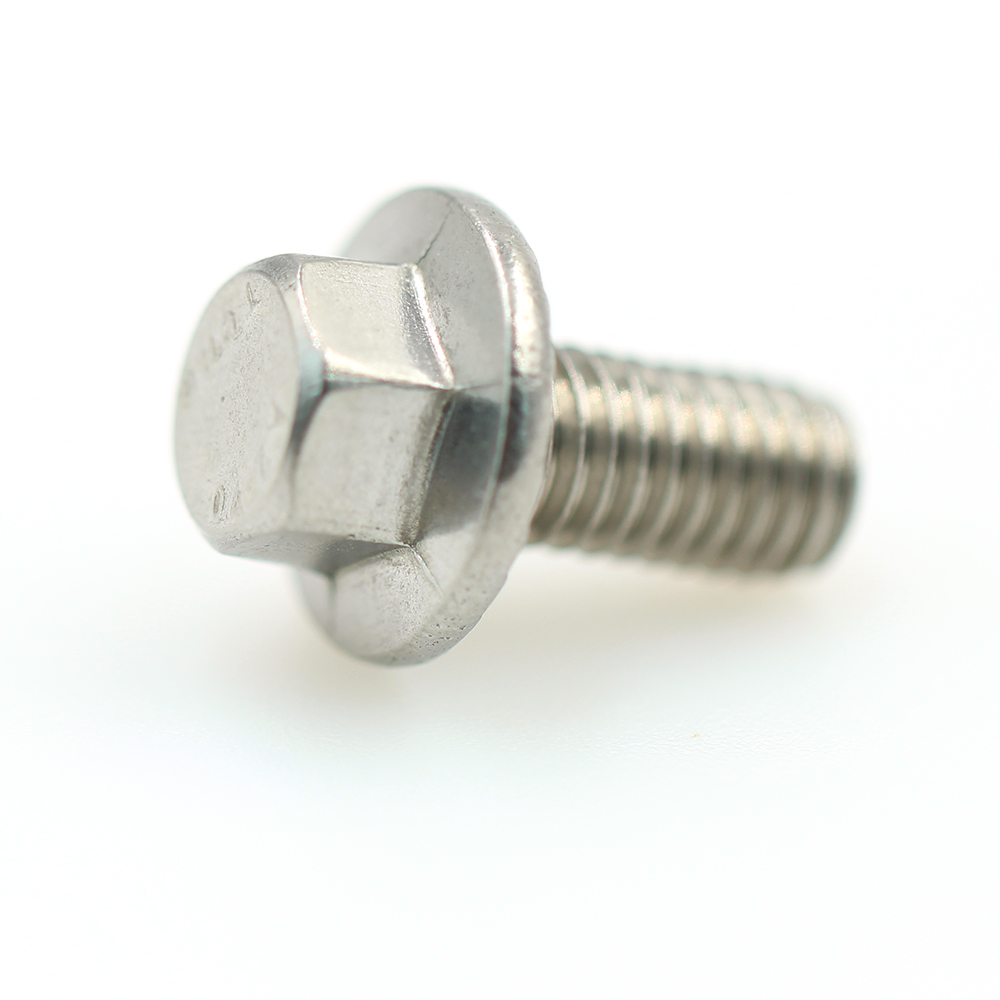

Hex Socket Bolts Stands Out in 2025
Top Selling Products

- Related Blog
- Reviews
- Reviews

-

Phone
-

E-mail
-

Whatsapp
-

WeChat

-

Top


